6 Best MTB Tires for Loose Over Hard Terrain: Expert-Tested Picks

Finding the perfect mtb tires for loose over hard terrain is often the biggest challenge for mountain bikers. This specific trail condition, where a layer of loose dirt, pebbles, or dust sits on top of a firm, packed base, requires a tire that can cut through the debris while finding bite on the solid surface underneath. Choosing the right tread pattern is essential to ensure you keep your speed through corners and maintain confidence on steep, unpredictable descents.
List of 6 Best Mtb Tires For Loose Over Hard
| Image | Title | Best For | Link |
|---|---|---|---|
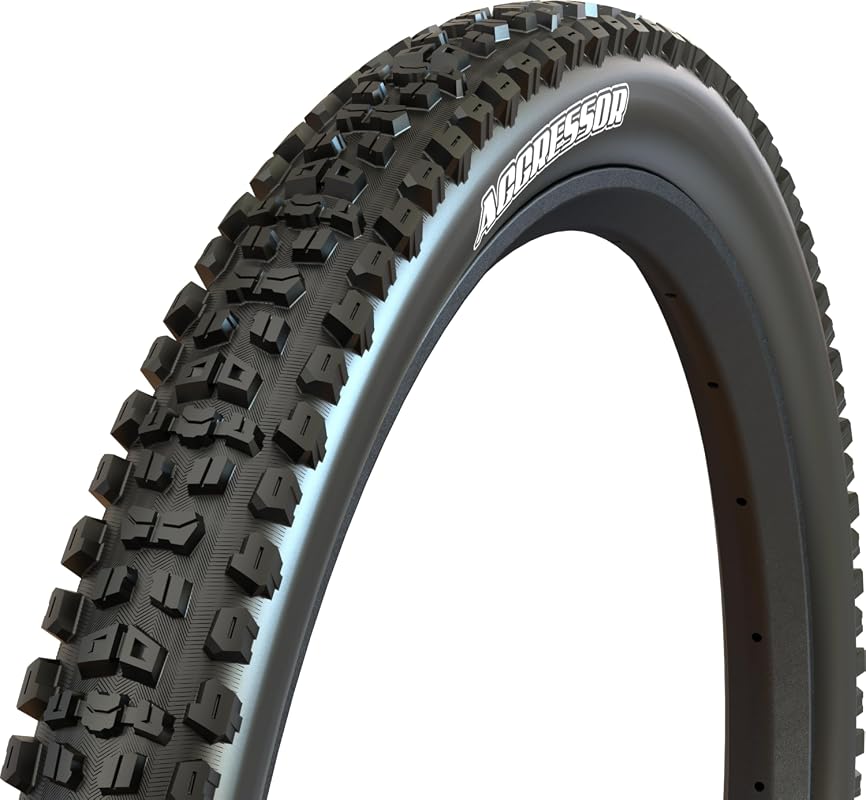 |
Maxxis Aggressor Dual Compound MTB Tire | The Maxxis Aggressor is designed for high-speed, hard-packed rocky trails. more | View on Amazon |
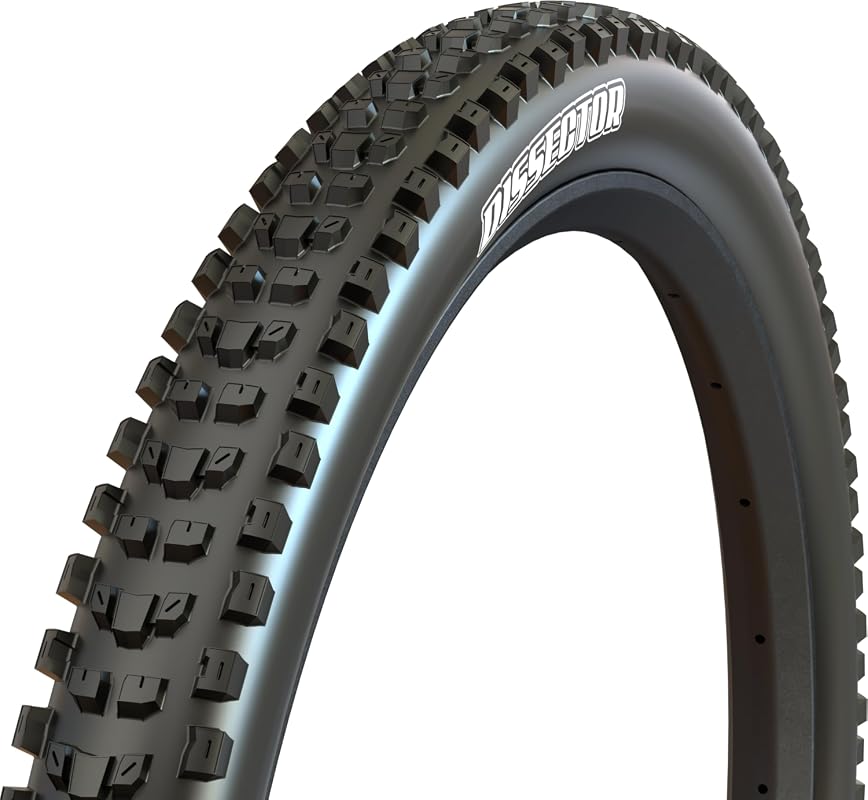 |
Maxxis Dissector Troy Brosnan MTB Tire | Designed by DH racer Troy Brosnan, the Dissector minimizes drag while retaining cornering control. more | View on Amazon |
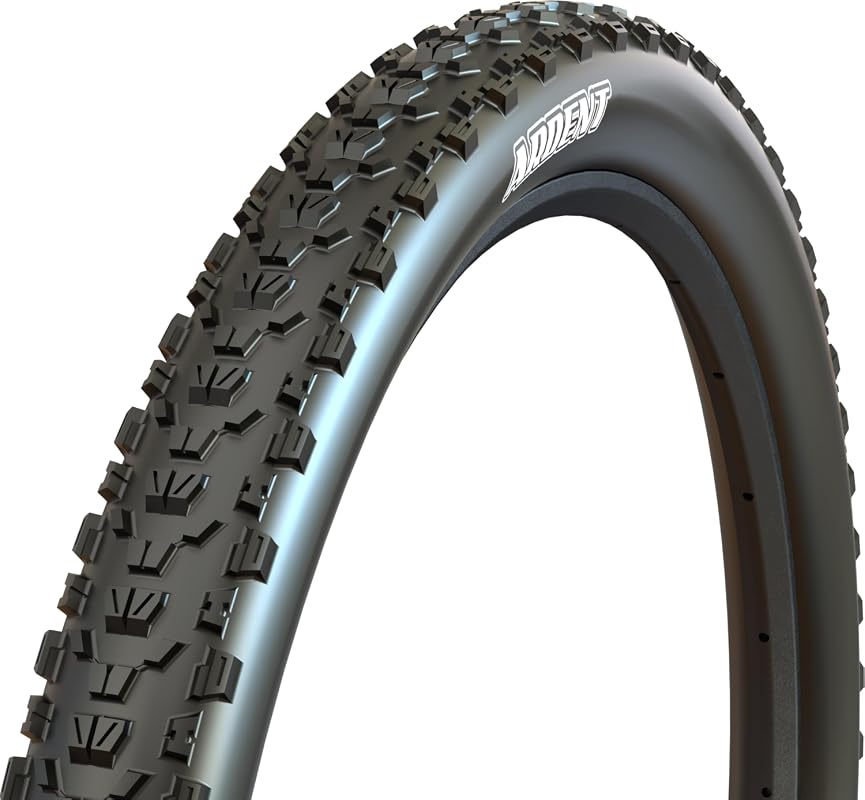 |
Maxxis Ardent EXO Wire Bead Tire | The Ardent is an excellent all-condition tire that features fast rolling, ramped center knobs. more | View on Amazon |
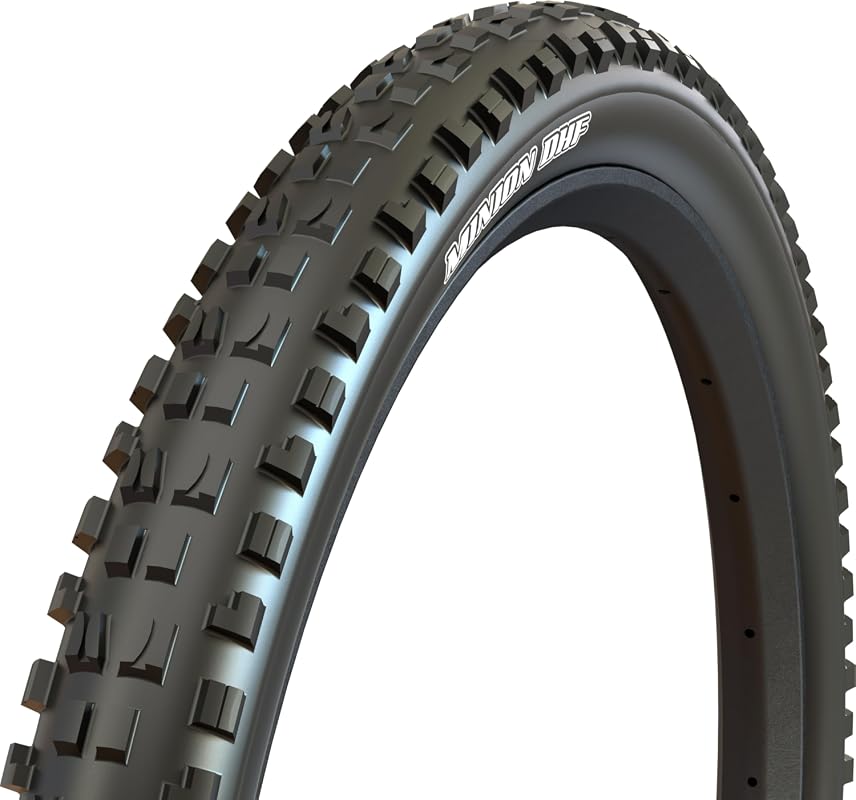 |
Maxxis Minion DHF Dual Compound Tire | Tread design that deftly balances rolling speed with braking and cornering traction. more | View on Amazon |
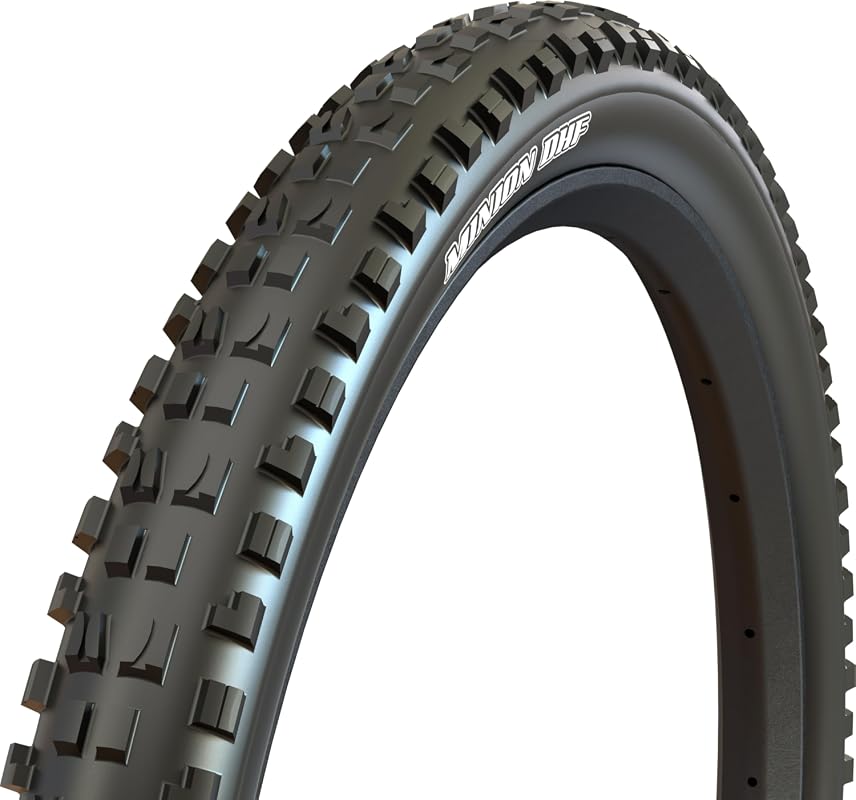 |
Maxxis Minion DHF Dual Compound Tire | Skillful combination of rolling speed, braking and cornering traction. more | View on Amazon |
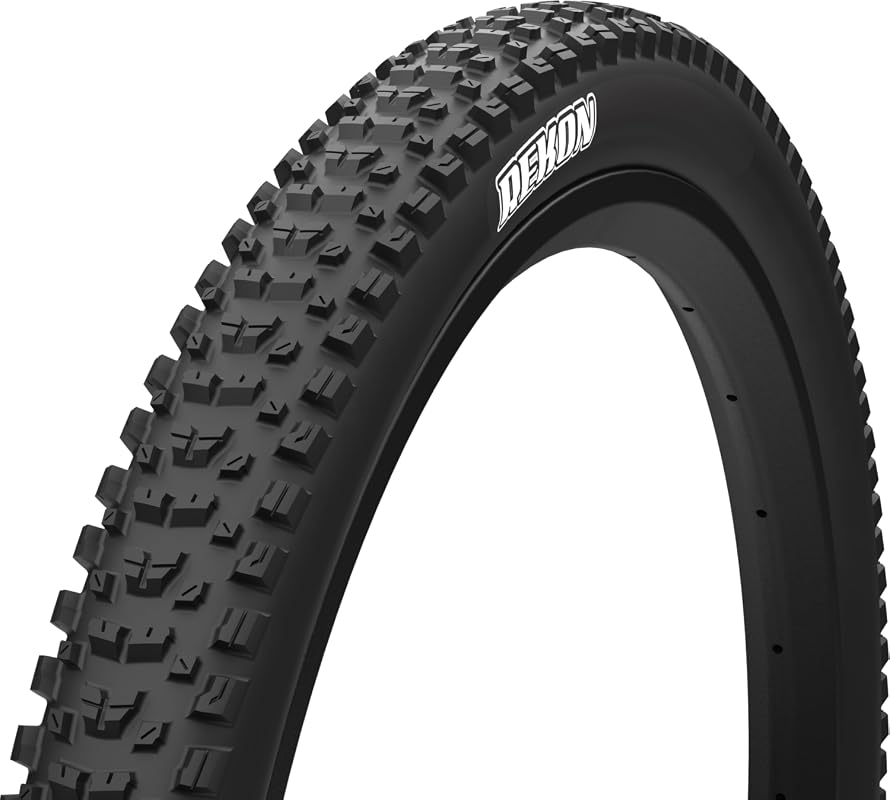 |
Maxxis Rekon E25 Trail MTB Tire | For general purpose trail riding, it’s hard to top the Rekon. more | View on Amazon |
Our Top 6 Mtb Tires For Loose Over Hard Reviews – Expert Tested & Recommended
1. Maxxis Aggressor Dual Compound MTB Tire
The Maxxis Aggressor is a specialized performer designed specifically for high-speed, hard-packed rocky trails where loose material often accumulates. It utilizes a dual-compound tread that balances rolling efficiency on the straights with predictable side-knob grip when you commit to a corner.
Key Features That Stand Out
- ✓ Dual compound rubber for a perfect mix of speed and traction.
- ✓ EXO protection technology that keeps sidewall cuts at bay.
- ✓ Optimized tread pattern that clears loose debris effectively.
Why We Recommend It
We love the Aggressor because it acts as the perfect rear tire for aggressive riders. It provides that extra bit of confidence when you are leaning into loose corners that would typically wash out with lesser tires.
Best For
Hard-charging trail riders and enduro racers who frequent rocky, loose-over-hard conditions.
Pros and Cons at a Glance
2. Maxxis Dissector Troy Brosnan MTB Tire
Developed with input from downhill racer Troy Brosnan, the Dissector is all about minimizing rolling resistance without sacrificing the cornering edge riders crave. It excels when the trail is fast but has that tricky layer of loose dust on top.
Key Features That Stand Out
- ✓ Designed for speed while maintaining stable cornering bite.
- ✓ Dual compound rubber for reliable grip in various conditions.
- ✓ Lightweight construction without sacrificing structural integrity.
Why We Recommend It
We appreciate the Dissector’s versatility. It manages to feel fast on hard-pack while providing enough side-knob engagement to keep the bike planted when you encounter loose sections mid-corner.
Best For
Riders who want a fast-rolling tire that still feels secure when the trail gets a little loose.
Pros and Cons at a Glance
3. Maxxis Ardent EXO Wire Bead Tire
The Maxxis Ardent is a true classic. With its ramped center knobs and aggressive block side knobs, it offers a great balance of speed and cornering grip for riders looking for value.
Key Features That Stand Out
- ✓ Ramped center knobs reduce rolling resistance significantly.
- ✓ Large block side knobs provide confidence in corners.
- ✓ Durable wire bead construction for longevity.
Why We Recommend It
For the price, the Ardent is hard to beat. It serves as an excellent all-around tire for varying trail conditions, handling loose dirt and hard-pack with equal competence.
Best For
Budget-conscious riders who want a reliable, long-lasting tire that performs well on most trails.
Pros and Cons at a Glance
4. Maxxis Minion DHF Dual Compound Tire
The Minion DHF is widely considered the gold standard for front mountain bike tires. Its legendary tread design offers unmatched braking and cornering traction.
Key Features That Stand Out
- ✓ Unbeatable cornering grip for loose-over-hard trails.
- ✓ Dual compound rubber for enhanced performance.
- ✓ Extremely reliable under high-speed cornering loads.
Why We Recommend It
If you want one tire that works almost everywhere, the DHF is it. It provides the bite needed to carve through loose topsoil to find the solid ground below.
Best For
Any rider serious about descending and wanting ultimate front-end confidence.
Pros and Cons at a Glance
5. Maxxis Minion DHF Dual Compound Tire
This version of the DHF maintains the same world-class performance, with additional features like tubeless readiness to ensure you can run lower pressures for maximum grip on loose, tricky surfaces.
Key Features That Stand Out
- ✓ Tubeless-ready design for optimal grip and flat prevention.
- ✓ Legendary tread for precision steering control.
- ✓ Durable sidewalls to survive rocky trail encounters.
Why We Recommend It
Having a tubeless-ready setup makes this DHF even more capable. Being able to drop your tire pressure just a few PSI creates a larger contact patch that significantly improves traction in loose-over-hard conditions.
Best For
Riders who are ready to transition to a tubeless setup for the ultimate trail-riding advantage.
Pros and Cons at a Glance
6. Maxxis Rekon E25 Trail MTB Tire
The Rekon is a fantastic “Goldilocks” tire that balances rolling speed and braking grip. The E25 rating also means it’s built tough enough to handle the extra weight and torque of an e-bike, making it a rugged choice for any mountain biker.
Key Features That Stand Out
- ✓ Optimized for the unique needs of e-bikes.
- ✓ Dual compound rubber for reliable control.
- ✓ Durable casing that resists wear from trail abuse.
Why We Recommend It
We like the Rekon because it feels snappy and responsive. It doesn’t drag on the trail but still provides enough bite to ensure you don’t lose control on loose patches.
Best For
E-bike riders or those looking for a slightly more durable, responsive trail tire.
Pros and Cons at a Glance
Complete Buying Guide for Mtb Tires For Loose Over Hard
Essential Factors We Consider
When picking out the best mtb tires for loose over hard trails, consider the knob spacing and the rubber compound. You want knobs that are spaced far enough to clear dirt but tall enough to bite into the underlying hard-pack. A dual-compound rubber is also a huge plus, as it keeps the center knobs firm for speed and the side knobs soft for cornering grip.
Budget Planning
Tire prices can vary based on casing, rubber tech, and bead type. While higher-end tires offer better protection and performance, you don’t always need to spend a fortune. A solid folding-bead tire will often perform better than a cheap wire-bead model, but prioritize the tread pattern that best matches your local soil type first.
Final Thoughts
Remember that tire pressure is just as important as the tire itself. On loose over hard trails, try experimenting with slightly lower pressures to increase your contact patch and maximize the effectiveness of those side knobs.
Frequently Asked Questions
Q: Can I run the same tire front and rear?
A: You can, but many riders prefer a grippier front tire (like the Minion DHF) and a faster-rolling rear tire (like the Aggressor or Dissector) for better handling.
Q: How often should I replace my mountain bike tires?
A: Replace them when the side knobs show signs of cracking or when you notice a significant decrease in cornering traction during your normal rides.
Q: What is the benefit of tubeless tires?
A: Tubeless tires allow you to run lower pressures without the risk of pinch flats, which provides significantly more grip on loose, tricky terrain.
Q: What does “dual compound” actually do?
A: It uses a harder rubber in the center to reduce rolling resistance and increase durability, while using a softer, tackier rubber on the sides to provide superior cornering grip.
Choosing the right equipment makes every ride more enjoyable. By selecting one of these mtb tires for loose over hard surfaces, you can push your limits with confidence, knowing your tires will keep you planted. Go ahead and upgrade your ride today—you will feel the difference on the very first corner!