A dead car battery is one of the most common and frustrating roadside problems. Whether you left your headlights on overnight, your battery is aging, or cold weather drained its power, a car that won’t start can instantly disrupt your plans.
Fortunately, modern portable battery packs—also called jump starters—make it possible to get back on the road without another vehicle.
Learning how to properly use a battery pack is essential for every driver. It’s safer than traditional jumper cables in many situations and doesn’t require waiting for roadside assistance or another car to help you.
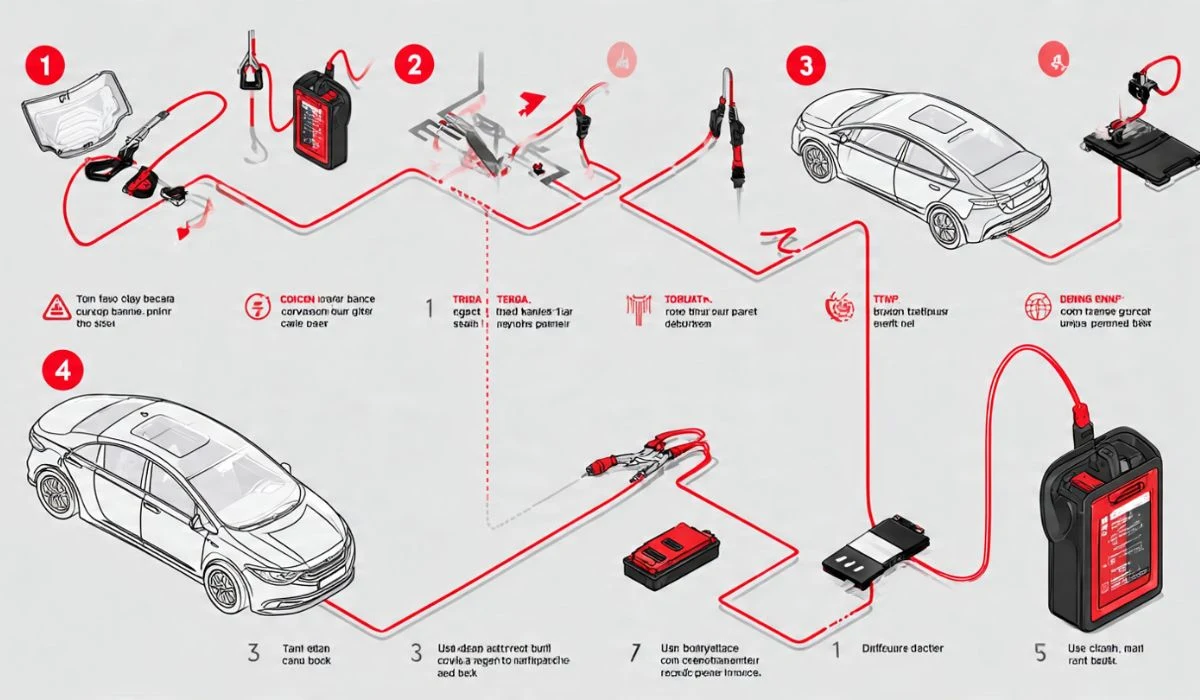
This guide will walk you step-by-step through How To Jump Start A Car With A Battery Pack, how it works, safety precautions, common mistakes, and what to do if the car still won’t start.
What Is a Car Battery Pack?
A car battery pack, or jump starter, is a compact portable device that stores electrical energy and delivers a high-power burst to start a dead engine.
Popular models from brands like NOCO and Stanley are small enough to fit in your glove box but powerful enough to start gasoline engines, SUVs, and even some diesel vehicles.
Inside, the device contains:
- A lithium battery
- Safety circuitry
- Jumper clamps
- USB ports (on most models)
- Built-in safety protections
Unlike traditional jumper cables, you don’t need a second vehicle.
Why Car Batteries Die:
Before jumping the car, it helps to understand why batteries fail:
- Leaving lights or electronics on
- Cold weather reducing battery efficiency
- Old battery (3–5 years lifespan)
- Alternator problems
- Short trips that don’t recharge the battery fully
In cold climates, battery capacity can drop by more than 30%, making winter breakdowns more common.
Read Next: Jeep Wrangler 4 Tire Rotation Pattern For Even Wear and Longer Tire Life
Safety First: Important Precautions:
Before using a battery pack, follow these safety rules:
- Turn off the ignition completely
- Remove keys from the car
- Make sure the vehicle is in Park (automatic) or Neutral (manual)
- Avoid touching metal clamps together
- Do not use a damaged battery pack
- Keep the device dry and away from fuel leaks
Safety is critical because batteries deliver high current instantly.
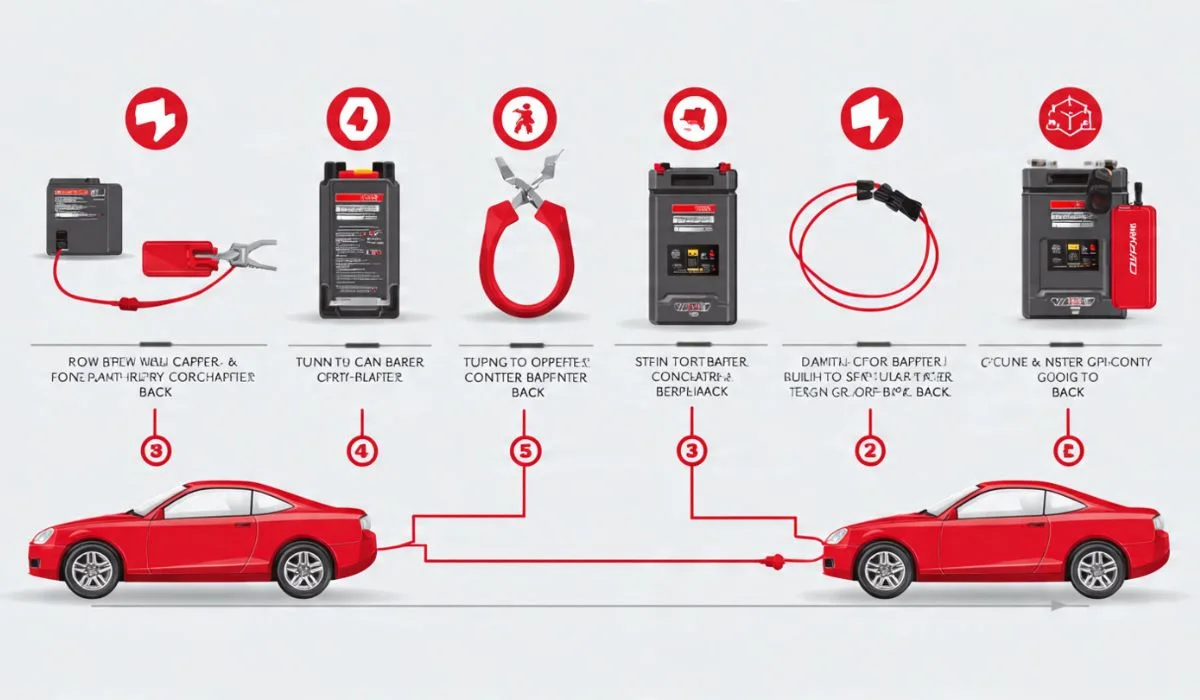
How to Jump Start a Car With a Battery Pack:
Step 1: Turn Everything Off
Make sure:
- Engine is off
- Lights are off
- AC, radio, and accessories are off
This reduces electrical load and protects the system.
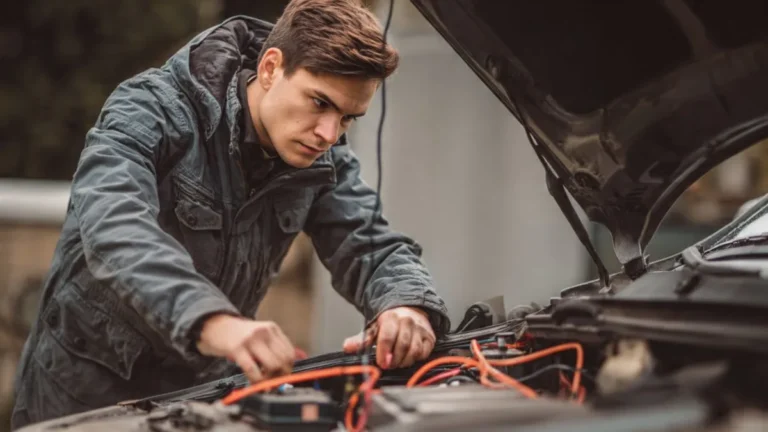
Step 2: Open the Hood and Locate the Battery
Most cars have the battery under the hood, but some have it in the trunk or under a seat.
If the battery is not easily accessible, check your owner’s manual.
Step 3: Connect the Battery Pack
Your jump starter will have two clamps:
- Red = positive (+)
- Black = negative (–)
Attach in this order:
- Connect red clamp to the positive terminal (+)
- Connect black clamp to the negative terminal (–) or a grounded metal part of the engine
Modern battery packs often have reverse polarity protection, but correct connection is still essential.
Step 4: Turn On the Battery Pack
Some devices turn on automatically when connected. Others require pressing a power button.
Wait for indicator lights:
- Green light = ready
- Red light = incorrect connection or low charge
Step 5: Start the Car
Now try starting your vehicle.
- Turn ignition key or press start button
- Do not crank for more than 5–10 seconds
- Wait 30 seconds between attempts if needed
If the battery is very low, it may take 1–3 attempts.
Step 6: Disconnect the Battery Pack
Once the engine starts:
- Remove black clamp first
- Then remove red clamp
Let the engine run for at least 15–30 minutes to recharge the battery.
What If the Car Doesn’t Start?
If the engine doesn’t turn over:
- Check clamp connections
- Make sure battery pack is charged
- Wait a few minutes and try again
- Ensure terminals are clean and not corroded
If it still fails, the issue may not be the battery—it could be:
- Alternator failure
- Starter motor issue
- Fuel system problem
How Long Does It Take to Jump Start a Car?
With a battery pack:
- Usually 1–5 minutes total
- Start attempt happens within seconds
- Charging time is not required like traditional methods
This is much faster than waiting for roadside assistance.
Advantages of Using a Battery Pack:
Using a portable jump starter has many benefits:
1. No Second Vehicle Needed
You don’t need another driver or car nearby.
2. Safe for Beginners
No complicated cable routing between two vehicles.
3. Portable and Always Ready
You can store it in your trunk or glove box.
4. Works in Remote Areas
Ideal for highways, parking lots, or rural areas.
5. Multi-Purpose Device
Many models also charge phones and devices.
Common Mistakes to Avoid:
Even though jump packs are simple, mistakes still happen:
Reversing polarity
Connecting clamps incorrectly can damage electronics.
Trying to start too many times
Over-cranking can stress the starter motor.
Using a low-charged jump pack
Always check battery pack level before emergencies.
Leaving accessories on
AC, lights, or radio can prevent successful starting.
Cold Weather Tips for Battery Packs:
Cold weather reduces both car battery and jump starter performance.
To improve success:
- Store jump starter indoors when possible
- Keep it above freezing temperature
- Charge it every 2–3 months
- Warm it in your hands before use if extremely cold
Cold batteries deliver less power, so preparation matters.
How Long Does a Jump Starter Hold Charge?
Most lithium jump packs hold charge for:
- 3 to 12 months depending on model
- Premium units can last longer
Check monthly and recharge regularly.
Can a Battery Pack Damage My Car?
If used correctly, no.
Modern jump starters are designed with protections:
- Reverse polarity protection
- Overcurrent protection
- Short-circuit protection
- Spark-free connection
However, incorrect use (wrong terminals or damaged cables) can still cause issues.
When a Jump Starter Won’t Help:
A battery pack will NOT fix:
- Broken starter motor
- Faulty alternator
- Severely damaged wiring
- Fuel system failure
- Mechanical engine problems
It only helps when the battery is low or dead.
How to Maintain Your Car Battery:
To avoid frequent jump starts:
- Drive regularly (at least once a week)
- Avoid short trips only
- Turn off lights when exiting
- Check battery health yearly
- Clean terminals from corrosion
Choosing the Right Battery Pack:
When buying a jump starter, consider:
- Engine size compatibility
- Peak amperage rating
- Safety features
- Build quality
- Storage temperature range
Diesel engines require higher cranking power than small gasoline cars.
Final Thoughts:
Jump-starting a car with a battery pack is one of the easiest and most useful roadside skills any driver can learn. With a compact device stored in your vehicle, you can restart a dead battery within minutes without waiting for help.
The key steps are simple: connect correctly, turn on the pack, start the engine, and disconnect safely. Once you understand the process, it becomes second nature.
A portable jump starter is not just a convenience—it’s a reliable emergency tool that gives you independence and peace of mind every time you drive.