Why Is My Car Overheating All Of A Sudden | Causes, Warning Signs, and Fixes (Expert Guide)

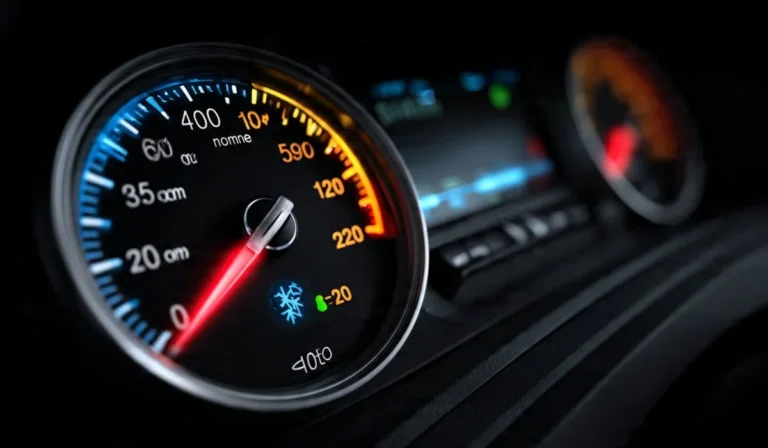
If your car temperature gauge suddenly shoots up or you see steam coming from under the hood, it can feel stressful and confusing. One moment everything seems fine, and the next your engine is overheating.
This is not something to ignore. A sudden overheating issue often means there is a cooling system failure or fluid problem that needs immediate attention. If handled quickly, you may prevent expensive engine damage.
This guide explains in Why Is My Car Overheating All Of A Sudden, what symptoms to look for, and how to fix or prevent it.
How Your Car Cooling System Works (Simple Explanation):
To understand overheating, you first need to know how your engine stays cool.
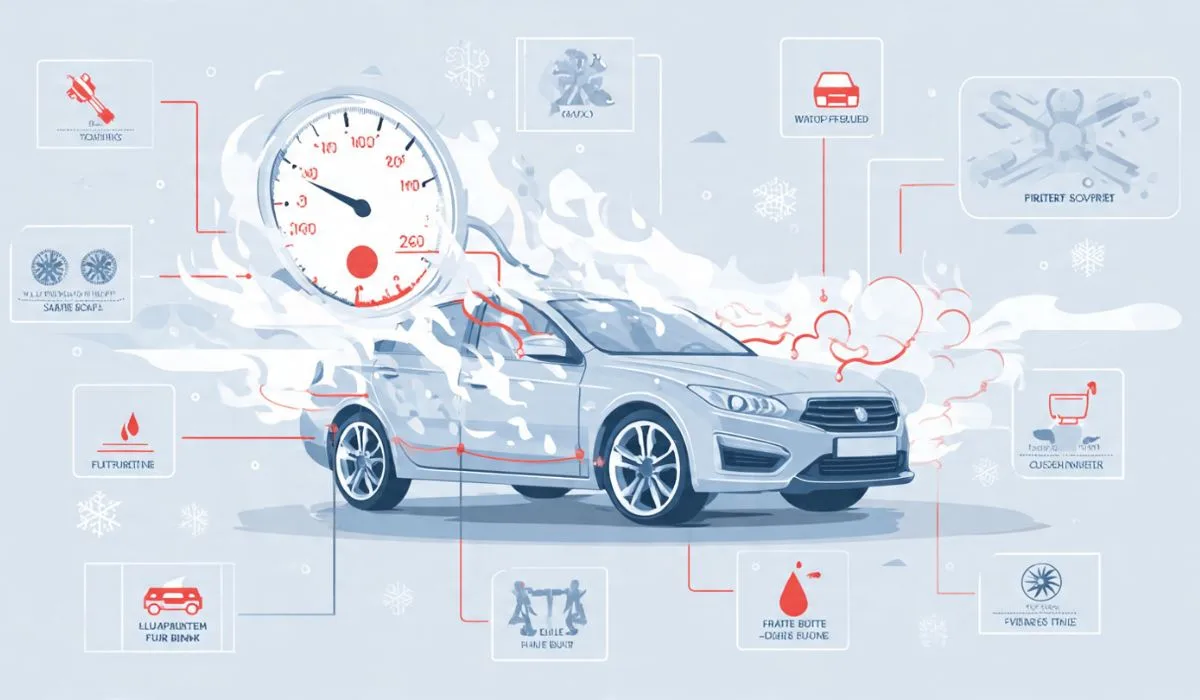
The main cooling components
Your car uses several parts working together:
- Radiator
- Coolant (antifreeze)
- Water pump
- Thermostat
- Cooling fans
- Hoses and pipes
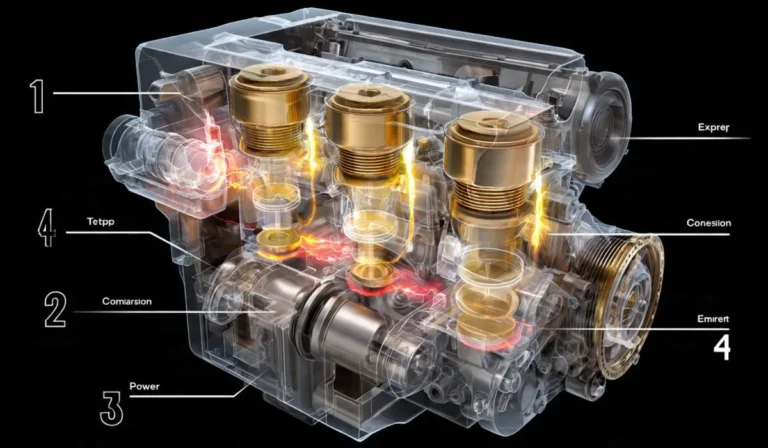
How it works step-by-step
- Engine produces heat while running
- Coolant absorbs heat from engine
- Heated coolant flows to radiator
- Radiator cools it down using air
- Cooled liquid returns to engine
If any part fails, heat builds up quickly.
Why Is My Car Overheating All of a Sudden?
Sudden overheating usually means something has failed or stopped working properly without warning.
Let’s break down the most common causes.
Low or Leaking Coolant (Most Common Cause):
Why it happens
Coolant is essential for controlling engine temperature. If levels drop suddenly, overheating occurs fast.
Common reasons for coolant loss
- Radiator leak
- Cracked hose
- Loose clamps
- Water pump failure
- Internal engine leak
Warning signs
- Sweet smell under hood
- Visible coolant puddle
- Temperature rising quickly
Even a small leak can cause sudden overheating.
Read Next: How Much Coolant Should Be In The Reservoir When Hot | Complete Expert Guide
Thermostat Failure (Sudden and Dangerous):
What the thermostat does
The thermostat controls coolant flow between engine and radiator.
What goes wrong
If it gets stuck closed:
- Coolant cannot circulate
- Heat builds up rapidly
- Engine overheats within minutes
Symptoms
- Temperature rises quickly after starting
- Upper radiator hose stays cold
- Heater stops working properly
This is one of the most common “sudden overheating” causes.
Radiator Fan Not Working Properly:
Why fans are important
Cooling fans help regulate temperature when the car is idle or moving slowly.
Possible failures
- Blown fuse
- Faulty fan motor
- Wiring issues
- Sensor failure
What you may notice
- Overheating in traffic
- Temperature drops when driving fast
- No fan noise when engine is hot
Water Pump Failure (Serious Issue):
Role of water pump
It circulates coolant through the engine system.
When it fails
- Coolant stops moving
- Heat builds up instantly
- Engine can overheat very quickly
Warning signs
- Grinding noise from engine
- Coolant leak near pump
- Steam from engine bay
This is a critical repair issue.
Low Engine Oil Level or Poor Oil Quality:
How oil affects temperature
Oil reduces friction and helps control engine heat.
Problems caused by low oil
- Increased engine friction
- Extra heat production
- Reduced cooling efficiency
Signs
- Oil warning light
- Engine knocking sound
- Burning smell
Overheating can happen even if cooling system is fine.
Clogged Radiator or Cooling System Blockage:
Why it happens
Over time, rust, dirt, and debris can block coolant flow.
Effects
- Reduced heat transfer
- Poor coolant circulation
- Engine runs hotter than normal
Symptoms
- Gradual temperature increase
- Uneven heating
- Weak heater performance
Blown Head Gasket (Very Serious Cause):
What it does
The head gasket seals engine components and prevents coolant mixing with oil.
When it fails
- Coolant leaks into engine
- Combustion gases enter cooling system
- Rapid overheating occurs
Warning signs
- White smoke from exhaust
- Milky oil color
- Constant coolant loss
This requires immediate repair.
Air Trapped in Cooling System:
How air causes overheating
Air pockets block coolant flow and reduce cooling efficiency.
Common causes
- Recent coolant change
- Poor bleeding after repair
- Small leaks
Symptoms
- Temperature fluctuates
- Heater works inconsistently
- Bubbling sound in radiator
Driving Conditions That Cause Sudden Overheating:
Sometimes the car is fine, but conditions push it too far.
Heavy traffic
Engine runs but airflow is low.
Hot weather
Cooling system struggles under extreme heat.
Towing or heavy load
Engine works harder and produces more heat.
Warning Signs Before Full Overheating:
Watch for early symptoms:
- Temperature gauge rising
- Steam from hood
- Burning smell
- Reduced engine power
- Heater stops working
Recognizing these signs early can save your engine.
What to Do Immediately If Your Car Overheats:
Step-by-step emergency actions
- Turn off air conditioning
- Turn on heater (helps draw heat away)
- Pull over safely
- Turn off engine
- Do not open radiator cap immediately
- Let engine cool for 20–30 minutes
Important warning
Never open a hot radiator cap. It can cause serious burns.
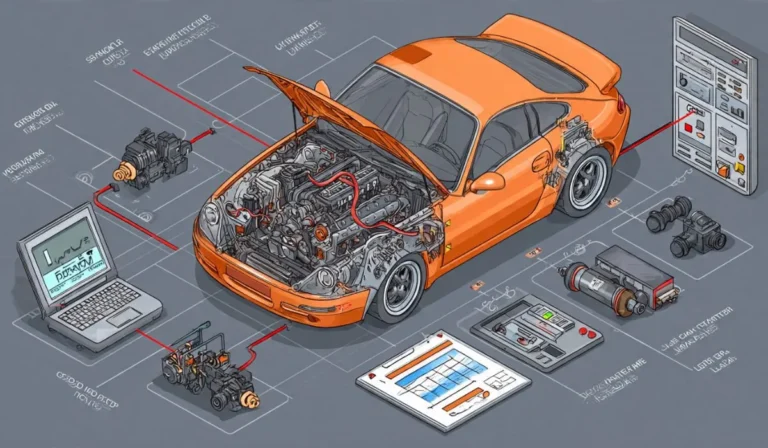
How Mechanics Diagnose Overheating:
Professionals usually check:
- Coolant level and leaks
- Thermostat operation
- Radiator condition
- Fan function
- Water pump performance
- Engine oil condition
- Pressure testing system
How to Prevent Sudden Car Overheating:
Regular maintenance checklist
- Check coolant level monthly
- Replace coolant every 2–3 years
- Inspect radiator hoses
- Service cooling system regularly
- Monitor temperature gauge
Driving habits
- Avoid long idling in heat
- Don’t overload vehicle
- Take breaks during long drives
Real-Life Example:
Many drivers experience sudden overheating during traffic jams. The car seems fine while driving, but once stopped, the temperature rises quickly. In most cases, this is due to a faulty cooling fan or low coolant level that only becomes obvious under stress conditions.
Costly Mistakes to Avoid:
- Continuing to drive while overheating
- Ignoring small coolant leaks
- Using water instead of coolant long-term
- Delaying thermostat replacement
- Ignoring warning lights
These mistakes can lead to engine failure.
When Overheating Becomes Dangerous:
Stop driving immediately if:
- Steam is visible
- Temperature is in red zone
- Engine loses power
- Strange knocking noises occur
Continuing to drive can destroy the engine.
FAQs: Why Is My Car Overheating All of a Sudden?
Why did my car overheat suddenly while driving?
It usually happens due to coolant loss, thermostat failure, or water pump issues.
Can low coolant cause sudden overheating?
Yes. Even a small leak can cause rapid temperature rise.
Is it safe to drive an overheating car?
No. It can cause severe engine damage within minutes.
Why does my car overheat in traffic only?
Likely due to a faulty radiator fan or poor airflow.
Can oil problems cause overheating?
Yes. Low or bad oil increases engine friction and heat.
How long can I drive after overheating starts?
You should stop immediately to avoid engine damage.
What is the most common cause of sudden overheating?
Low coolant or thermostat failure is the most common cause.
Last Call:
If your car is overheating all of a sudden, it is usually a sign of a cooling system failure, fluid issue, or mechanical fault. The most important thing is to act quickly, avoid driving further, and identify the root cause.
With proper maintenance and early warning awareness, most overheating problems can be prevented before they become expensive engine repairs.