Why Noise When Turning Steering Wheel At Low Speed? Causes & Fixes

If you hear a noise when turning the steering wheel at low speed, especially in parking lots or tight turns, it is your car warning you that something in the steering or suspension system is not working smoothly.
Many drivers ignore this sound because the car still “feels fine,” but steering noises often point to early wear in components like power steering fluid, suspension joints, or steering rack parts. Catching the issue early can prevent expensive repairs and unsafe driving conditions.
This guide explains every possible cause in simple, practical language so you can understand what your car is trying to tell you.
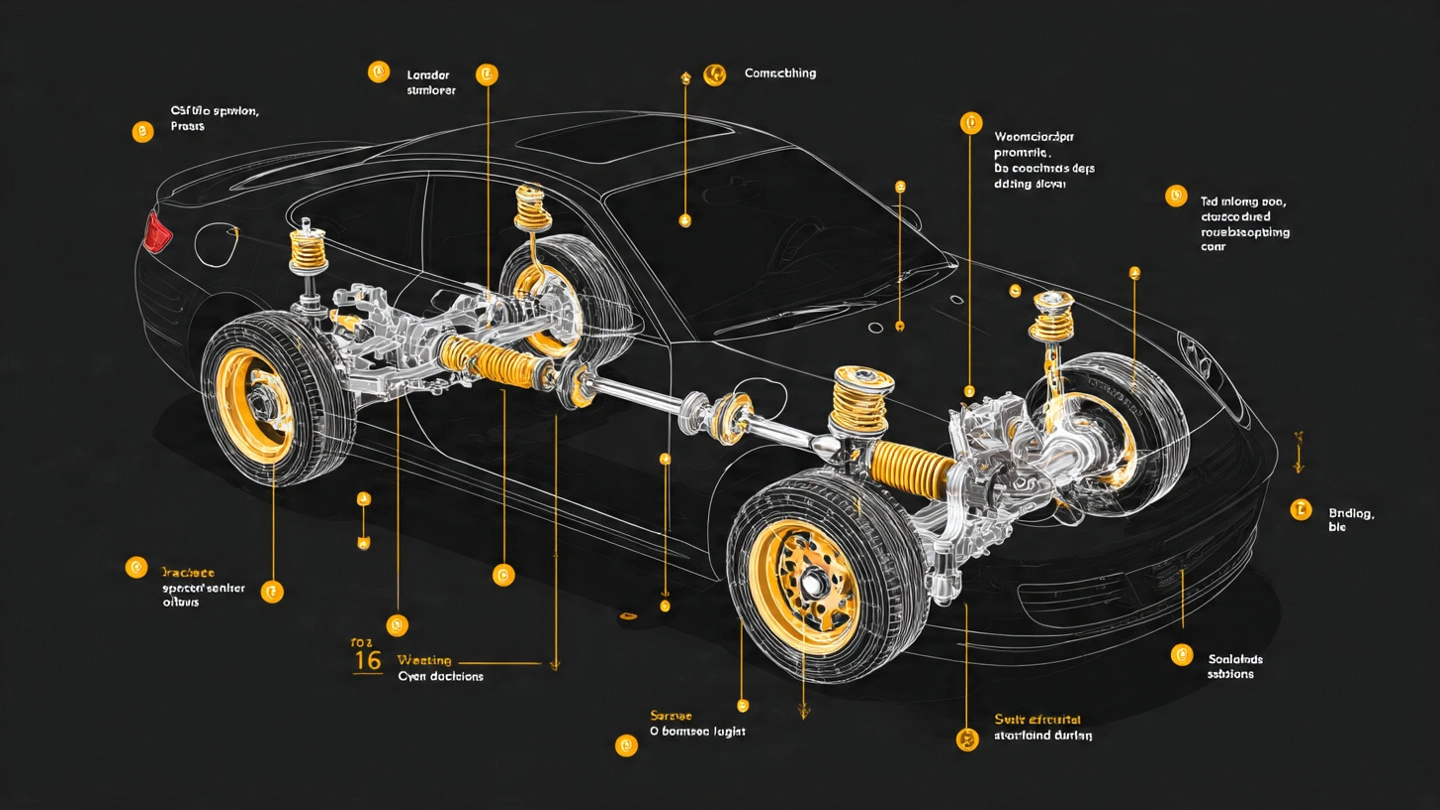
Steering System (Simple Breakdown):
To understand the noise, you first need to know how steering works.
Main steering components
Your car’s steering system includes:
- Steering wheel
- Steering column
- Power steering pump or electric motor
- Steering rack
- Tie rods
- Ball joints
- Control arms
- Suspension system
How steering works
- You turn the steering wheel
- Steering column transfers motion
- Steering rack moves wheels left or right
- Suspension supports movement smoothly
If any part becomes worn or dry, noise appears—especially at low speed when resistance is higher.
Why Steering Noise Happens More at Low Speed?
Increased steering load
At low speed or when parking:
- Tires have more resistance
- Steering system works harder
- Components move at extreme angles
Lack of airflow and speed assistance
At higher speeds, movement is smoother. At low speed, mechanical stress increases, making noises more noticeable.
Common Types of Steering Noise:
Understanding the sound helps identify the problem.
Squeaking noise
Often caused by dry rubber or lack of lubrication.
Clicking or popping sound
Usually linked to worn joints or CV axle issues.
Grinding noise
May indicate power steering failure or low fluid.
Humming or whining
Common in power steering pump problems.
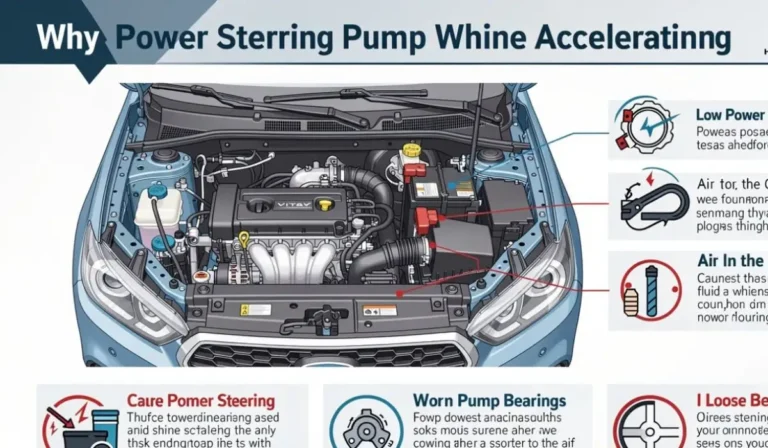
Low Power Steering Fluid (Very Common Cause):
What power steering fluid does
It helps reduce effort when turning the wheel.
What happens when it is low
- Steering becomes stiff
- Pump makes whining noise
- Turning feels rough
Causes of fluid loss
- Small leaks in hoses
- Loose connections
- Worn seals in pump or rack
Warning signs
- Noise when turning at low speed
- Difficulty steering
- Fluid puddles under car
This is one of the easiest issues to fix but often ignored.
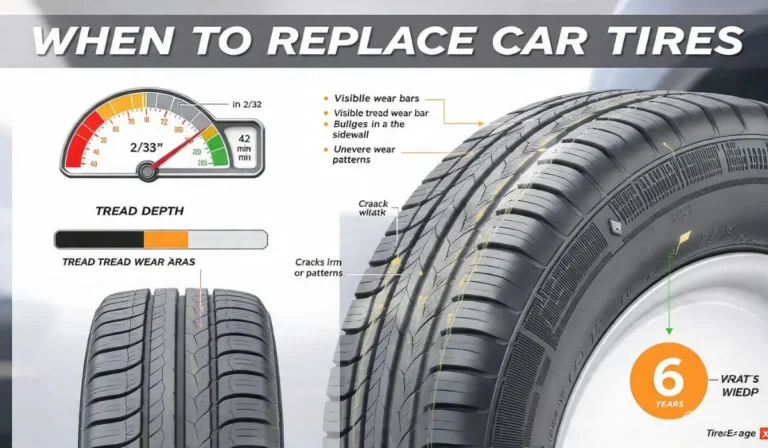
Read Next: When to Replace Car Tires | Complete Expert Guide
Worn or Damaged Ball Joints:
What ball joints do
They connect suspension to steering system and allow smooth movement.
What happens when worn
- Clicking noise during turns
- Loose steering feel
- Uneven tire wear
Why noise happens at low speed
At low speed, joints move through extreme angles, making wear more noticeable.
Tie Rod End Wear:
Function of tie rods
They connect steering rack to wheels.
When they fail
- Steering becomes loose
- Knocking sound during turns
- Vibration in steering wheel
Common symptoms
- Noise when parking or turning slowly
- Uneven steering response
- Wheel alignment issues
CV Joint (Constant Velocity Joint) Problems:
What CV joints do
They transfer power to wheels while allowing turning movement.
What happens when damaged
- Clicking sound during turns
- Loud noise when accelerating while turning
- Vibration at low speed
Key symptom
Noise is louder when turning sharply at slow speed.
Power Steering Pump Failure:
Role of power steering pump
It helps create hydraulic pressure for easy steering.
When it fails
- Whining noise when turning
- Hard steering wheel
- Jerky movement
Causes
- Low fluid
- Worn internal components
- Belt issues
Dry or Worn Suspension Bushings:
What bushings do
They absorb vibration and allow smooth movement.
When dry or cracked
- Squeaking noise during steering
- Vibrations in cabin
- Reduced ride comfort
Why it happens
- Age
- Heat exposure
- Lack of lubrication
Steering Rack Issues:
What is steering rack?
It converts steering wheel movement into wheel direction.
When it wears out
- Clunking noise
- Loose steering
- Fluid leaks (hydraulic systems)
Warning signs
- Noise while turning slowly
- Uneven steering response
- Steering feels “loose”
Strut Mount Problems:
Function of strut mounts
They support suspension and allow smooth wheel movement.
When worn
- Popping or creaking noise
- Vibration while turning
- Steering instability
Tire-Related Causes:
Sometimes the issue is not mechanical failure.
Low tire pressure
- Increases friction
- Makes steering harder
- Causes unusual noise
Uneven tire wear
- Causes vibration during turning
- Noise at low speeds
Dry Steering Column or Lack of Lubrication:
What happens
Metal parts inside steering column can produce noise when dry.
Symptoms
- Squeaking from inside cabin
- Noise when turning wheel at parking speed
Warning Signs You Should Not Ignore:
If you notice any of these, the issue may be serious:
- Steering feels stiff
- Noise is getting louder
- Car vibrates while turning
- Fluid leaking under car
- Steering wheel feels loose
Step-by-Step Diagnosis Guide:
Step 1: Identify the sound type
- Squeak → dry parts
- Click → CV joint or tie rod
- Whine → power steering issue
- Knock → suspension problem
Step 2: Check power steering fluid
Look for low or dirty fluid.
Step 3: Inspect tires
Check pressure and wear.
Step 4: Test steering movement
Turn wheel slowly and observe when noise occurs.
Step 5: Visit a mechanic
For suspension and steering inspection.
Real-Life Example:
A common case is a driver hearing a squeaking noise while parking. After inspection, the issue is often dry suspension bushings or low power steering fluid. A simple lubrication or fluid refill solves the issue quickly.
How Mechanics Diagnose Steering Noise:
Professionals typically check:
- Power steering system pressure
- Suspension joints and bushings
- CV joints and axles
- Steering rack condition
- Tire alignment
They may also perform a road test.
Cost of Ignoring Steering Noise:
Ignoring early warning signs can lead to:
- Complete steering failure
- Tire damage
- Suspension breakdown
- Expensive rack replacement
Early repair is always cheaper.
Prevention Tips:
Regular maintenance
- Check power steering fluid monthly
- Inspect suspension every service
- Rotate tires regularly
- Lubricate joints when needed
Driving habits
- Avoid hitting potholes
- Don’t turn steering wheel while stationary too often
- Drive carefully on rough roads
When to Stop Driving Immediately?
Stop driving if:
- Steering becomes very hard
- Loud grinding occurs
- Car becomes difficult to control
- Fluid leaks are visible
FAQs:
Why does my car make noise when turning at low speed?
Usually due to worn suspension parts, low steering fluid, or CV joint issues.
Is steering noise dangerous?
It can be, especially if caused by steering or suspension failure.
Can low power steering fluid cause noise?
Yes, it is one of the most common causes.
Why does my steering click when parking?
Often due to CV joint or tie rod wear.
Can tires cause steering noise?
Yes, low pressure or uneven wear can contribute.
Is it expensive to fix steering noise?
It depends on the cause—fluid issues are cheap, rack replacement is costly.
Should I stop driving if I hear steering noise?
Not always, but you should get it checked quickly.
Last Words:
Noise when turning the steering wheel at low speed is usually an early warning sign of wear in steering, suspension, or fluid systems. While some causes are minor and inexpensive, others can affect safety and control if ignored.