What Is RPM in a Car and Why It Matters For Performance and Fuel Efficiency
 ByAliza
If you’ve ever looked at your dashboard and noticed a gauge labeled RPM, you’ve seen one of the most important indicators of how hard your engine is working. Understanding RPM helps you drive smoother, save fuel, and extend engine life.
This guide explains RPM in simple language, shows how it connects to speed and gears, and shares practical tips backed by trusted automotive guidance.
What Does RPM Mean?
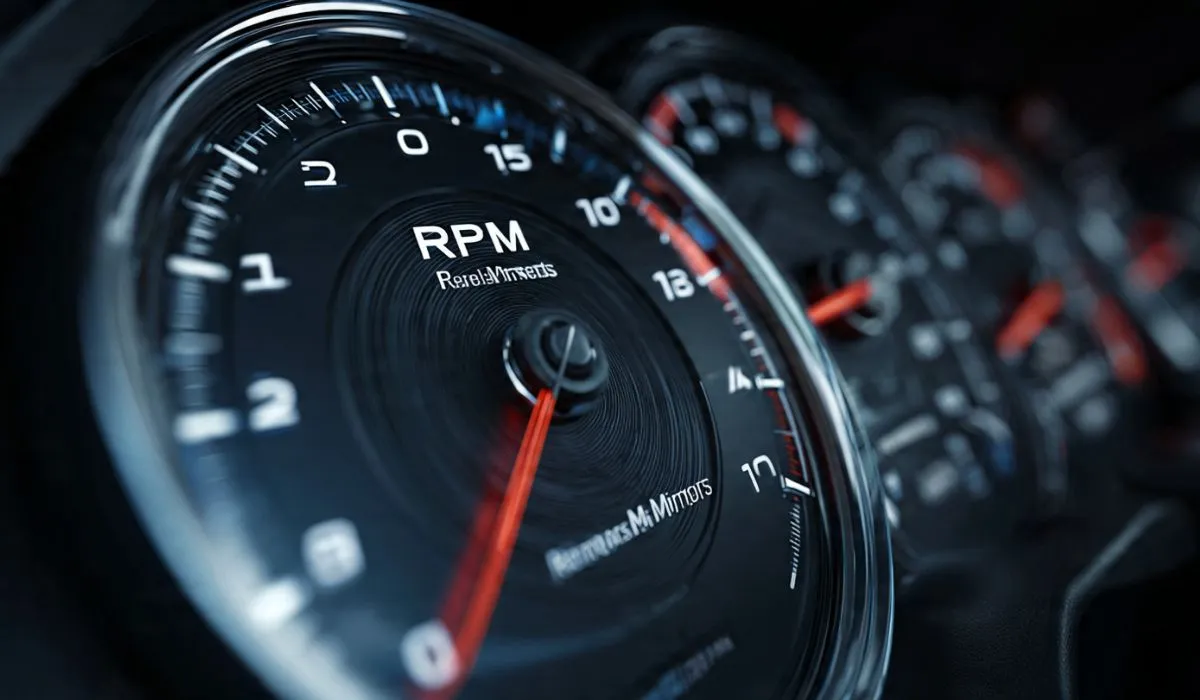
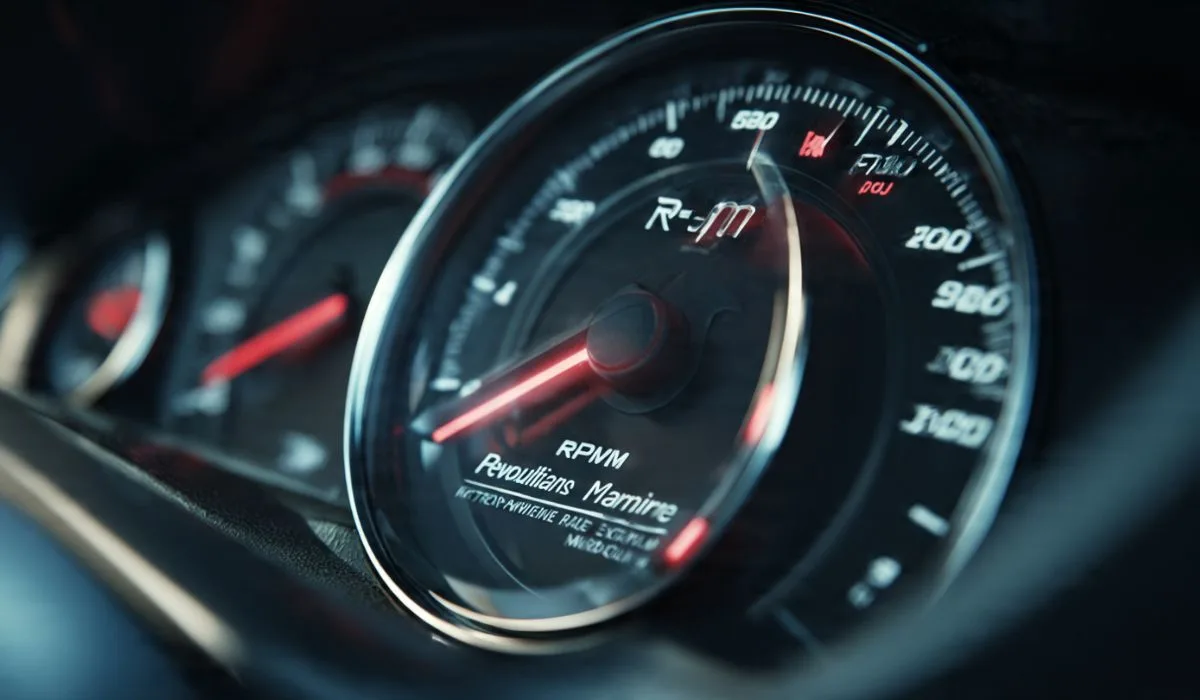
RPM stands for Revolutions Per Minute. It tells you how many times the engine’s crankshaft spins in one minute.
In most cars, RPM is shown on the tachometer (the round dial next to the speedometer). When the needle rises, your engine is spinning faster. When it drops, the engine is spinning slower.
Manufacturers like Toyota, Honda, and Ford Motor Company design engines to operate efficiently within specific RPM ranges.
Where You See RPM: The Tachometer?
The tachometer typically shows numbers from 0 to 7 or 8 (x1000). So:
- 1 = 1,000 RPM
- 3 = 3,000 RPM
- 6 = 6,000 RPM
The red area (redline) warns you that the engine is near its maximum safe speed.
What Happens When RPM Changes:
Step 1: You Press the Accelerator
More fuel and air enter the engine.
Step 2: Engine Burns More Fuel
The crankshaft spins faster.
Step 3: RPM Increases
The tachometer needle rises.
Step 4: Transmission Sends Power
Gears transfer this rotation to the wheels.
Higher RPM = engine working harder.
RPM vs Speed: They’re Not the Same:
A common beginner mistake is thinking RPM equals speed. It doesn’t.
- RPM = how fast the engine spins
- Speed = how fast the wheels turn
Gears in the transmission control the relationship between the two.
For example:
- In low gear, RPM is high but speed is low.
- In high gear, RPM is low but speed is high.
Read Next: How A Car Engine Works
Why RPM Matters for Fuel Economy:
Driving at very high RPM burns more fuel. Driving at very low RPM can strain the engine.
Most cars are most fuel-efficient between 1,500 and 2,500 RPM during steady driving.
This is why smooth acceleration and timely gear shifts save fuel.
Ideal RPM Ranges (General Guide):
| Driving Situation | Ideal RPM |
|---|---|
| Idling | 600–1,000 |
| City driving | 1,500–2,500 |
| Highway cruising | 2,000–3,000 |
| Hard acceleration | 3,000–4,500 |
| Redline (avoid) | 6,000+ |
These ranges vary by engine type but are good beginner benchmarks.
RPM and Gear Shifting (Manual Cars):
If you drive a manual transmission:
- Shift up around 2,500–3,000 RPM for normal driving.
- Shift earlier for fuel economy.
- Shift later for faster acceleration.
Listening to RPM prevents over-revving and lugging the engine.
RPM in Automatic Cars:
Automatic transmissions handle shifting for you, but RPM still matters:
- Sudden spikes mean aggressive acceleration.
- High RPM at cruising speed may signal a gear or transmission issue.
- Smooth RPM changes indicate healthy operation.
What Is Redline RPM?
Redline is the maximum safe RPM set by the manufacturer. Going beyond it can cause severe engine damage.
Performance cars from BMW or Hyundai Motor Company may have higher redlines, but the rule is the same: avoid staying in the red zone.
How RPM Affects Engine Wear:
Constant high RPM:
- Increases heat
- Increases friction
- Wears parts faster
Very low RPM under load (lugging):
- Strains the engine
- Causes knocking
- Reduces efficiency
Balanced RPM = longer engine life.
RPM and Engine Sound:
You can often hear RPM:
- Low RPM: quiet hum
- Medium RPM: steady growl
- High RPM: loud, strained sound
Learning this sound helps you drive without constantly looking at the gauge.
Effective Tips to Use RPM Smartly:
- Accelerate gradually to avoid RPM spikes.
- Maintain steady RPM on highways.
- Avoid hard acceleration with a cold engine.
- Don’t cruise in low gear at high RPM.
- Use higher gears once speed is stable.
- Watch RPM when climbing hills—downshift if needed.
- Service air filters and spark plugs for stable RPM behavior.
RPM, Torque, and Power (Simple Explanation):
- Torque = pulling power
- RPM = how fast engine spins
- Horsepower = torque × RPM
You feel strong acceleration when torque and RPM work together.
When High RPM Is Necessary:
Sometimes high RPM is normal:
- Overtaking another car
- Climbing steep hills
- Merging onto highways
The key is temporary, not constant high RPM.
Warning Signs Related to RPM:
| Symptom | Possible Issue |
|---|---|
| RPM fluctuates at idle | Dirty throttle body |
| High RPM but low speed | Transmission slipping |
| Engine stalls at low RPM | Fuel/air issue |
| Rough vibration | Misfire or spark plug issue |
Monitoring RPM helps detect problems early.
Authoritative Recommendations:
Trusted organizations emphasize smooth engine operation and maintenance:
- American Automobile Association recommends smooth acceleration habits for fuel savings.
- National Highway Traffic Safety Administration highlights dashboard awareness for safer driving.
- Owner manuals from brands like Toyota and Ford Motor Company specify ideal RPM and shift points for each model.
Always check your vehicle’s manual for exact guidance.
RPM in Diesel vs Petrol Cars:
- Petrol engines: higher RPM range, use spark plugs.
- Diesel engines: lower RPM range, more torque, no spark plugs.
Diesel cars often cruise comfortably at lower RPM.
Beginner Analogy to Remember:
Think of RPM like heart rate:
- Too fast for long = stress
- Too slow under load = strain
- Balanced rate = healthy performance
FAQs:
What is a normal RPM while driving?
Usually 1,500–2,500 RPM for smooth, efficient driving.
Is high RPM bad for the engine?
Only if sustained for long periods.
Why does RPM go up before gear changes in automatics?
The transmission is preparing to shift to the next gear.
Can RPM tell me about engine problems?
Yes. Unusual fluctuations often signal issues.
What is idling RPM?
Typically between 600 and 1,000 RPM.
Does RPM affect fuel economy?
Yes. Higher RPM usually means more fuel consumption.
Final Thoughts:
RPM is more than a number on your dashboard. It’s a real-time indicator of engine effort, fuel use, and mechanical health.
By understanding how RPM connects to gears, speed, and engine load, you can:
- Drive more efficiently
- Protect your engine
- Detect issues early
- Feel more confident behind the wheel
Next time you drive, glance at the tachometer. That small needle tells a big story about what’s happening under the hood.