Why Is My Car Cranking But Not Starting Sometimes | Common Causes Explained

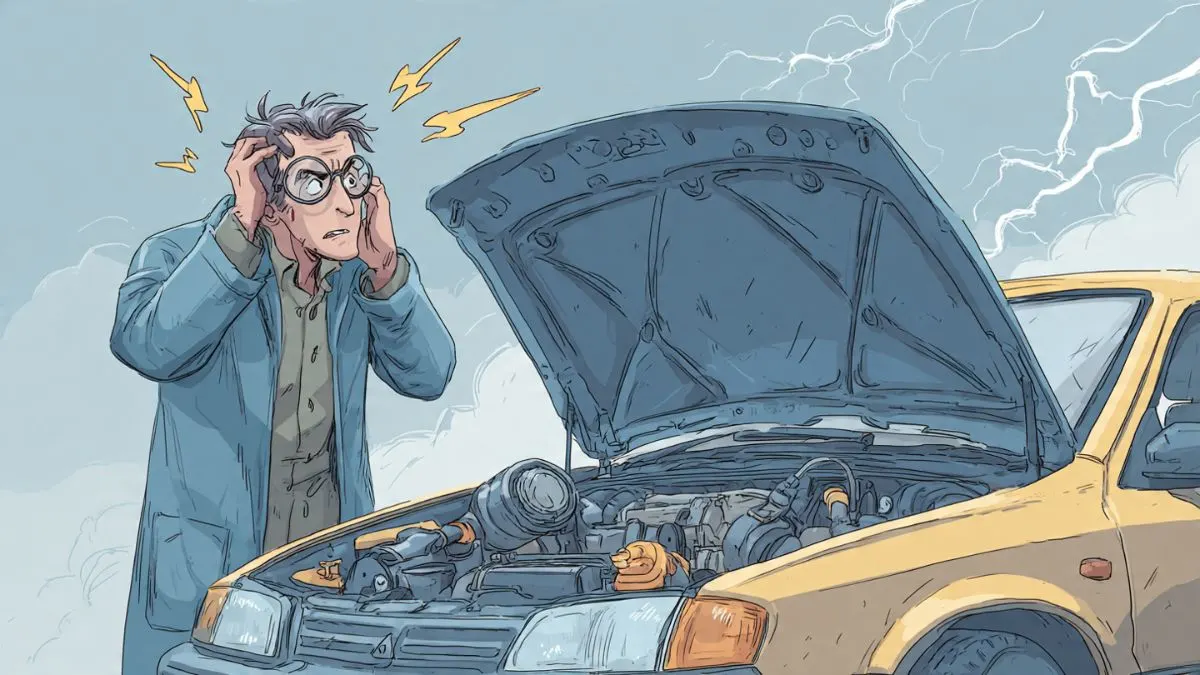
When you turn the key or press the start button and hear the engine cranking but not starting, it can be confusing and frustrating. The starter motor is clearly working, but the engine refuses to ignite.
This is one of the most common car problems and usually indicates an issue in one of three systems:
- Fuel system
- Ignition system
- Air intake or sensors
This guide explains everything in simple terms so beginners can understand the problem, diagnose it step by step, and know what to do next.
Understanding the Problem (Simple Explanation)
Cranking means the engine is turning, but starting requires three things:
- Fuel
- Air
- Spark
If even one of these is missing, the engine will crank but not start.
Modern vehicles from manufacturers like Toyota, Honda, and Ford Motor Company rely heavily on sensors and electronic control systems, so even small faults can prevent starting.
Symptoms and Warning Signs:
Before the car completely fails to start, you may notice:
- Engine cranks normally but does not fire
- Car starts sometimes, but not always
- Engine takes longer to start
- Weak or delayed ignition
- Smell of fuel after cranking
- Dashboard warning lights (check engine light)
- Rough idle before full failure
These symptoms help narrow down the cause.
Why Is My Car Cranking But Not Starting Sometimes | Common Causes Explained:
Step 1: Check the Battery Condition
Even if the engine is cranking, a weak battery may not provide enough power for ignition systems.
Look for:
- Dim dashboard lights
- Slow cranking speed
- Clicking sound before cranking
Step 2: Check Fuel Level
It sounds simple, but low fuel or faulty fuel gauge can cause no-start conditions.
Step 3: Listen for Fuel Pump Sound
Turn the key to “ON” position (without starting).
You should hear a short buzzing sound from the fuel tank area. If not, fuel pump may be failing.
Step 4: Check Spark (Ignition System)
If fuel is present, the spark plugs or ignition coils may be faulty.
Step 5: Check Air Intake System
Blocked air filters or intake sensors can prevent combustion.
Step 6: Scan for Error Codes
Modern cars store error codes in the ECU. A simple OBD scanner can reveal the issue.
Read Next: Types Of Car Engines And Their Functions | Complete Beginner Guide
Possible Causes of Cranking but Not Starting:
1. Weak or Failing Battery
Battery may crank engine but not support ignition system.
2. Bad Fuel Pump
Fuel is not reaching the engine.
3. Faulty Spark Plugs
No spark means no combustion.
4. Ignition Coil Failure
Weak or no spark output.
5. Crankshaft Position Sensor Failure
Engine cannot time ignition correctly.
6. Clogged Fuel Filter
Fuel flow is restricted.
7. Immobilizer or Security System Issue
Car prevents starting for security reasons.
8. Bad Starter Relay or Fuse
Electrical interruption in starting system.
Step-by-Step Fixes and Solutions:
Fix 1: Recharge or Replace Battery
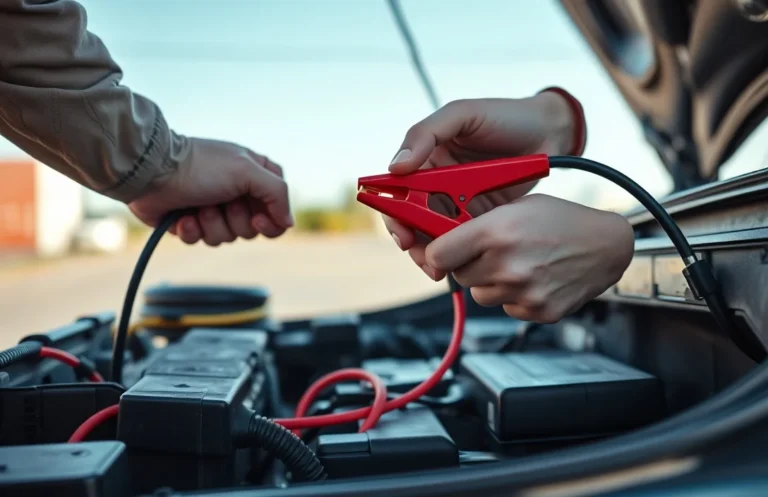
- Jump-start the car
- Replace battery if old or weak
Fix 2: Replace Spark Plugs
Worn plugs are a very common cause of no-start issues.
Fix 3: Check Fuel Pump and Relay
If no fuel sound is heard, pump or relay may need replacement.
Fix 4: Replace Fuel Filter
A blocked filter restricts fuel flow.
Fix 5: Clean Air Filter
Replace if dirty or clogged.
Fix 6: Reset Immobilizer System
Try spare key or reset system if security issue suspected.
Fix 7: Sensor Replacement
Crankshaft or camshaft sensors may need professional replacement.
Emergency Actions (What to Do Immediately):
If your car refuses to start:
- Turn off ignition completely
- Wait 30–60 seconds
- Try starting again
- Turn headlights off to save battery
- Check if fuel gauge is accurate
- Use jumper cables if battery is weak
- Call roadside assistance if needed
If the problem continues, avoid repeated cranking to prevent damage.
Organizations like the American Automobile Association recommend avoiding repeated starting attempts and seeking professional help when fuel or ignition systems fail unexpectedly.
Prevention Tips (Very Important):
1. Regular Battery Checks
Test battery every 6 months.
2. Replace Spark Plugs on Time
Every 30,000–60,000 miles depending on vehicle.
3. Keep Fuel Tank Above Quarter Level
Prevents fuel pump overheating.
4. Replace Fuel Filter Periodically
Maintains proper fuel flow.
5. Service Air Filter Regularly
Ensures clean air intake.
6. Scan ECU During Service
Early detection of sensor problems.
Following maintenance schedules recommended by National Highway Traffic Safety Administration helps prevent unexpected breakdowns and improves vehicle reliability.
Maintenance Schedule Table:
| Component | Maintenance Interval | Purpose |
|---|---|---|
| Battery | 2–3 years | Ensure reliable starting |
| Spark Plugs | 30k–60k miles | Proper ignition |
| Fuel Filter | 20k–40k miles | Clean fuel flow |
| Air Filter | 10k–15k miles | Proper air intake |
| Sensors | Annual check | Engine timing accuracy |
When to Call a Mechanic:
Seek professional help if:
- Car repeatedly cranks but won’t start
- Check engine light is on
- Fuel pump is silent
- Battery and spark system are fine
- You suspect sensor failure
Modern vehicles require diagnostic tools that most beginners do not have.
FAQs:
1. Why does my car crank but not start sometimes?
Usually due to fuel, spark, or sensor issues.
2. Can a weak battery cause cranking without starting?
Yes, it may not power ignition properly.
3. Is it the starter motor problem?
If it cranks, starter motor is likely fine.
4. What is the most common cause?
Faulty fuel pump or spark plugs.
5. Can low fuel cause this issue?
Yes, or faulty fuel gauge may mislead you.
6. Should I keep trying to start the car?
No, repeated cranking can damage battery and starter.
7. Is it safe to drive after it starts again?
Yes, but get it checked immediately.
Final Thoughts:
A car that cranks but does not start is usually facing a fuel, spark, or sensor-related issue, not a major engine failure. The key is to diagnose step by step instead of guessing.