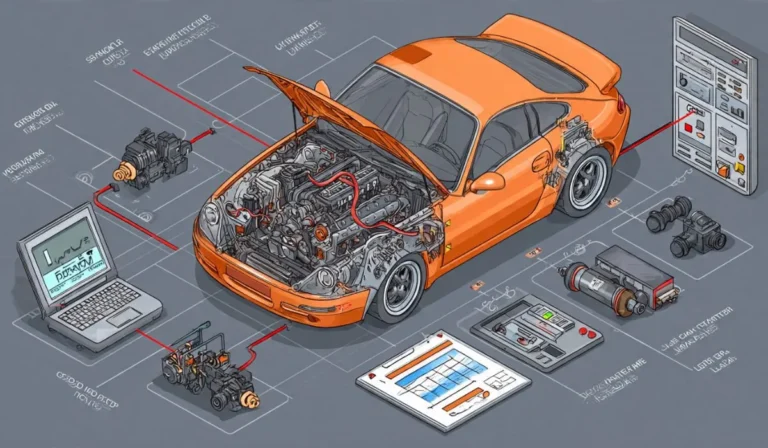
Types Of Car Engines And Their Functions | Complete Beginner Guide

Car engines come in many types, and each is designed for a specific purpose—fuel efficiency, power, smoothness, or low emissions. If you’ve ever wondered why some cars feel powerful, others feel economical, and some are almost silent, the answer lies in the type of engine under the hood.
This guide explains the major engine types, how they function, and where each one fits best. You’ll also find practical tips and trusted recommendations to help you understand real-world differences.
Brands like Toyota, Honda, Ford Motor Company, and BMW use different engine types across their lineups to match different driving needs.
What Is a Car Engine?
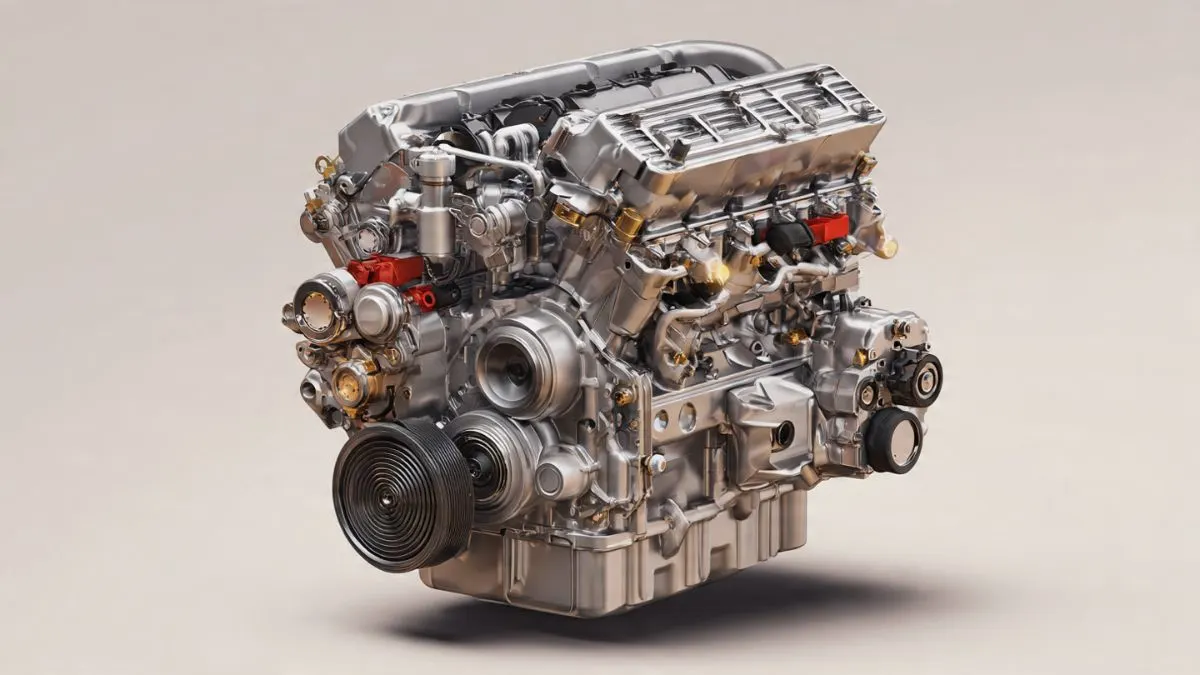
A car engine converts fuel (or electricity) into mechanical motion that turns the wheels. Most traditional engines use internal combustion (burning fuel inside cylinders), while modern cars may use electric motors or hybrids.
Types Of Car Engines And Their Functions | Complete Beginner Guide:
How Most Engines Create Motion
- Fuel and air enter a cylinder.
- A spark (or compression in diesel) ignites the mixture.
- The explosion pushes a piston down.
- The crankshaft converts this into rotation.
- The transmission sends power to the wheels.
Different engine types achieve this in different ways.
1) Petrol (Gasoline) Engine
How It Works
Uses spark plugs to ignite a petrol–air mixture.
Best For
- Smooth driving
- Quiet operation
- Higher RPM performance
Common In
Small cars, sedans, hatchbacks.
2) Diesel Engine
How It Works
Compresses air so much that diesel fuel ignites without a spark plug.
Best For
- High torque
- Fuel efficiency
- Carrying loads
Common In
SUVs, trucks, commercial vehicles.
3) Hybrid Engine (Petrol + Electric)
How It Works
Combines a petrol engine with an electric motor and battery.
Best For
- Excellent fuel economy
- Lower emissions
- City driving
Example
Hybrid systems popularized by Toyota models.
4) Fully Electric Engine (EV)
How It Works
Uses battery power to run an electric motor. No fuel, no combustion.
Best For
- Zero emissions
- Silent driving
- Low maintenance
Growing Adoption
Many brands, including Ford Motor Company, are expanding EV lineups.
Read Next: Which Is Better Disc or Drum Brakes in bikes | Pros, Cons & Comparison
5) Inline (Straight) Engine Layout
Design
Cylinders arranged in a straight line (I4, I6).
Benefits
- Simple design
- Fuel efficient
- Easy maintenance
Very common in everyday cars.
6) V-Type Engine (V6, V8)
Design
Cylinders arranged in a V shape.
Benefits
- More power
- Compact for its output
- Smooth performance
Used in performance and large vehicles.
7) Boxer (Flat) Engine
Design
Cylinders lie flat, opposite each other.
Benefits
- Low center of gravity
- Better balance
Used by some specialized manufacturers for stability.
8) Rotary (Wankel) Engine
Design
Uses a rotating triangular rotor instead of pistons.
Benefits
- Very smooth
- High RPM capability
- Compact size
Rare today but famous for unique performance.
9) Turbocharged Engine
How It Works
Uses exhaust gases to spin a turbine that forces more air into the engine.
Benefits
- More power from small engines
- Better fuel efficiency
Common in modern downsized engines.
10) Naturally Aspirated Engine
How It Works
Draws air naturally without turbo or supercharger.
Benefits
- Simpler
- Reliable
- Linear power delivery
Comparing Engine Types by Purpose:
| Engine Type | Power | Economy | Maintenance | Best Use |
|---|---|---|---|---|
| Petrol | Moderate | Moderate | Low | Daily driving |
| Diesel | High torque | High | Moderate | Load, long trips |
| Hybrid | Moderate | Very high | Moderate | City use |
| Electric | Instant torque | Very high | Low | Urban commute |
| Turbo | High | Good | Moderate | Performance + economy |
Effective Tips When Choosing Engine Type:
- For city traffic → hybrid or petrol.
- For long highway trips → diesel.
- For low maintenance → electric.
- For performance → turbo or V-type.
- For budget ownership → inline petrol.
Authoritative Recommendations:
Automotive safety and efficiency organizations emphasize matching engine type to usage:
- National Highway Traffic Safety Administration encourages choosing vehicles that balance performance and efficiency.
- American Automobile Association advises regular maintenance regardless of engine type.
- Owner manuals from Honda and BMW provide engine-specific care schedules.
Why Modern Engines Are Smaller but More Powerful:
Thanks to turbocharging, fuel injection, and computer control, small engines now produce power once seen only in larger engines—while using less fuel.
Common Engine Problems by Type:
| Engine | Common Issue |
|---|---|
| Petrol | Spark plug wear |
| Diesel | Injector clogging |
| Hybrid | Battery aging |
| Electric | Battery range loss |
| Turbo | Heat and oil quality sensitivity |
Proper maintenance prevents most issues.
FAQs:
Which engine is most fuel-efficient?
Hybrid and electric engines.
Which engine lasts longer?
Diesel engines are known for longevity.
Are turbo engines reliable?
Yes, with proper oil and maintenance.
Is electric better than petrol?
For city use and low emissions, yes.
What is the most common engine layout?
Inline 4-cylinder (I4).
Which engine is best for beginners?
Petrol inline engines are simple and reliable.