What Does ABS Mean in Cars? Anti-Lock Braking System Explained for Safer Driving

When you press the brake pedal hard, your car must slow down without losing control. That’s exactly what ABS is designed to do.
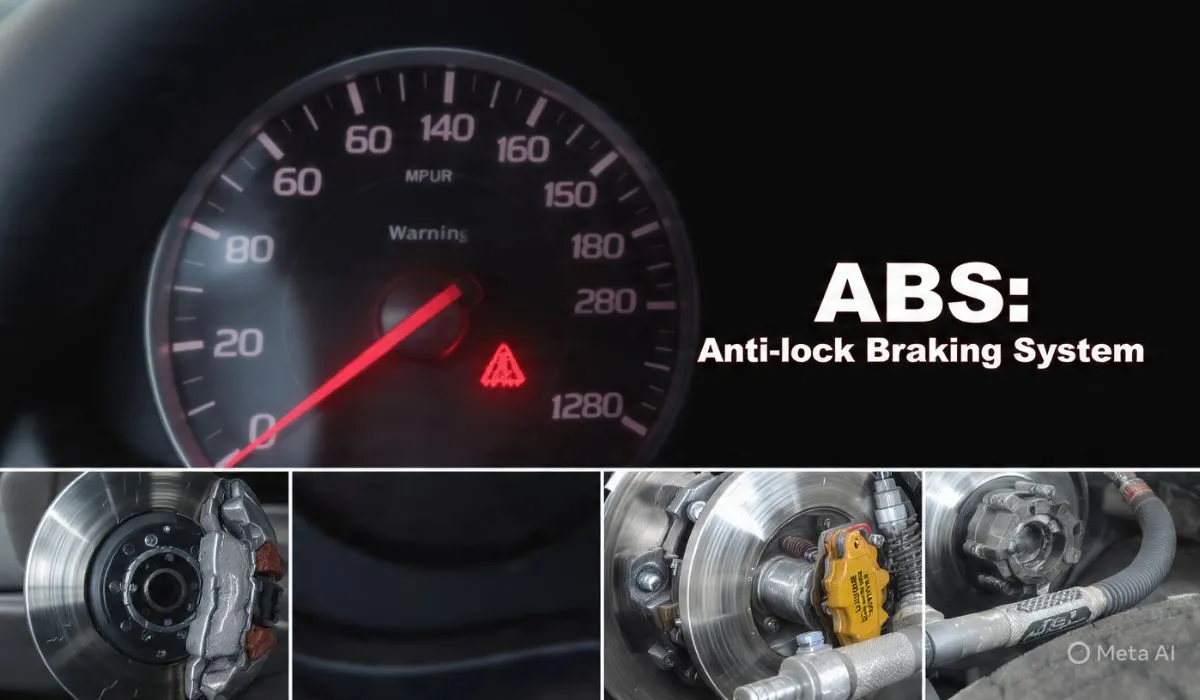
ABS stands for Anti-Lock Braking System. It prevents your wheels from locking during sudden or hard braking, helping you steer while the car slows down. Today, ABS is standard in most vehicles made by brands like Toyota, Honda, and Ford Motor Company because it significantly improves road safety.
This beginner-friendly guide explains how ABS works, why it matters, and how to keep it functioning properly.
What Happens Without ABS?
In a car without ABS, hard braking can lock the wheels. When wheels lock:
- Tires skid on the road
- You lose steering control
- Stopping distance may increase
- The car may spin on wet or slippery roads
ABS solves this by preventing wheel lock.
The Simple Idea Behind ABS:
ABS rapidly pumps the brakes for you—much faster than a human can. This keeps the wheels rolling just enough to maintain traction and steering control.
You may feel a vibration in the brake pedal during ABS activation. That’s normal.
Main Parts of an ABS System:
- Wheel speed sensors – Monitor how fast each wheel rotates
- ABS control module (ECU) – Brain of the system
- Hydraulic valves – Control brake pressure
- Pump – Restores pressure when needed
These parts work together in milliseconds.
Step-by-Step: How ABS Works During Hard Braking:
Step 1: You Slam the Brake
Brake pressure goes to all wheels.
Step 2: Sensors Detect Wheel Lock
If a wheel is about to stop rotating, the sensor alerts the ECU.
Step 3: ECU Reduces Brake Pressure
Valves reduce pressure to that wheel.
Step 4: Wheel Starts Rotating Again
Traction returns.
Step 5: Pressure Is Reapplied
This cycle repeats many times per second.
You maintain steering control while stopping.
Read More: Manual vs Automatic Transmission – Which Is Better for You?
Why ABS Is So Important in Rain and Slippery Roads:
On wet, muddy, or icy roads, wheels lock much faster. ABS is especially helpful here because it keeps traction where skidding would otherwise occur.
Safety agencies like the National Highway Traffic Safety Administration highlight ABS as a major factor in reducing crash risk during emergency braking.
ABS vs Normal Brakes: Key Difference:
| Feature | Normal Brakes | ABS Brakes |
|---|---|---|
| Wheel lock during panic stop | Possible | Prevented |
| Steering during hard brake | Difficult | Maintained |
| Skidding risk | High | Low |
| Driver control | Reduced | Improved |
What ABS Feels Like When Activated:
Many beginners get scared when ABS activates. You may notice:
- Brake pedal vibration
- Clicking or grinding sound
- Pulsating feeling
Do not release the brake. Keep pressing firmly and let ABS do its job.
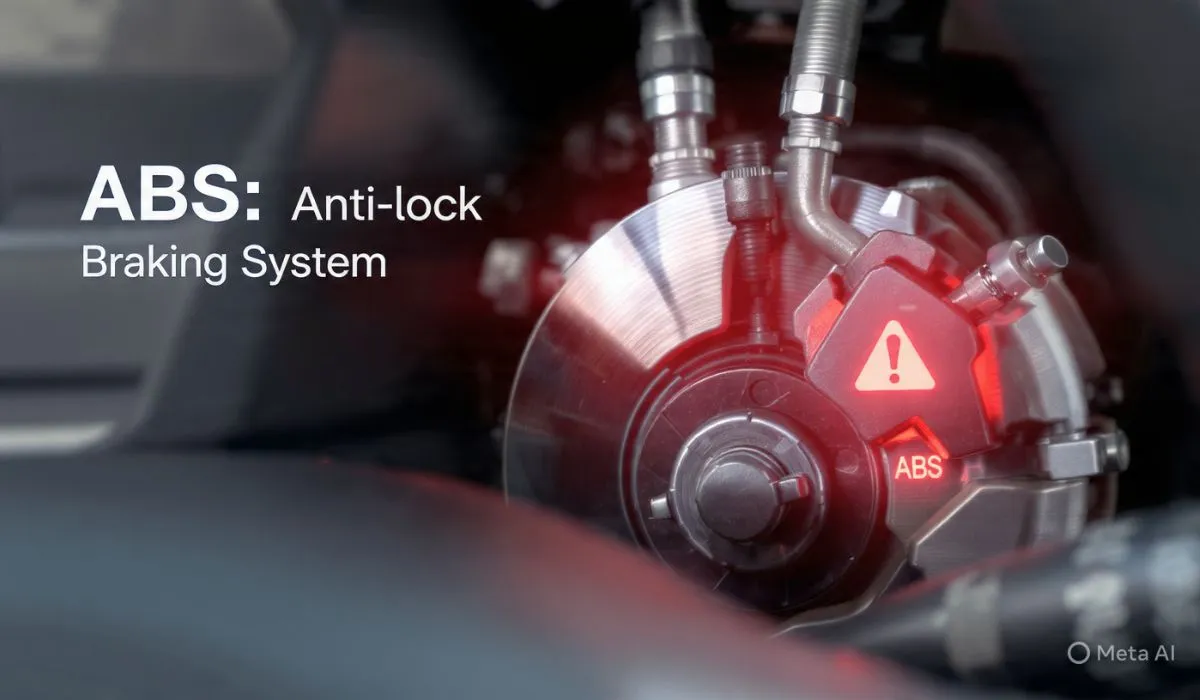
ABS Warning Light: What It Means:
If the ABS light turns on in your dashboard:
- ABS may not function
- Normal brakes still work
- You should get it checked soon
Common causes include faulty sensors or low brake fluid.
Effective Tips to Keep ABS Working Properly:
- Check brake fluid regularly.
- Keep wheel sensors clean during servicing.
- Replace worn brake pads on time.
- Don’t ignore the ABS warning light.
- Avoid mixing tire sizes (affects sensor readings).
- Service brakes as per manufacturer schedule.
ABS and Other Safety Systems:
ABS is the foundation for modern safety features like:
- Electronic Stability Control (ESC)
- Traction Control System (TCS)
- Emergency Brake Assist (EBA)
Without ABS, these systems cannot function properly.
Authoritative Recommendations:
Trusted organizations emphasize the importance of ABS maintenance and awareness:
- National Highway Traffic Safety Administration recommends understanding ABS behavior during emergency stops.
- American Automobile Association advises regular brake inspections for vehicles equipped with ABS.
- Service manuals from Toyota and Honda outline ABS checks during routine maintenance.
Common ABS Problems Beginners Should Know:
| Problem | Symptom | Cause |
|---|---|---|
| ABS light on | Warning on dashboard | Sensor issue |
| No vibration during panic brake | ABS not engaging | Faulty module |
| Pulsing at low speed | Sensor dirt | Wheel sensor debris |
| Uneven braking | Valve issue | Hydraulic problem |
ABS in Old vs Modern Cars:
Older cars did not have ABS, requiring drivers to manually pump brakes during skids. Modern ABS performs this automatically and far more effectively.
Misconceptions About ABS:
Myth: ABS shortens stopping distance always.
Truth: ABS mainly improves control, not always distance.
Myth: You should pump brakes with ABS.
Truth: Never pump. Press firmly and hold.
ABS and Driving Technique:
When you must brake hard:
- Press brake firmly.
- Keep steering toward a safe path.
- Ignore pedal vibration.
- Let the system work.
This technique can prevent accidents.
FAQs:
What does ABS stand for?
Anti-Lock Braking System.
Is it safe to drive with ABS light on?
Yes, but without ABS protection. Get it checked.
Does ABS work at low speeds?
Yes, but it’s most useful during sudden stops.
Can ABS fail?
Yes, due to sensor or module issues.
Should I pump brakes in an ABS car?
No. Press and hold firmly.
Does ABS work on ice?
It helps maintain control but cannot overcome very slippery surfaces completely.