Symptoms Of A Bad Alternator With A New Battery | Warning Signs Explained

If you installed a new car battery but your vehicle is still showing electrical problems, the issue is often not the battery—it’s the alternator. This is a very common situation that confuses many drivers.
The alternator is responsible for charging the battery while the engine is running. If it fails, even a brand-new battery will quickly lose power.
This guide explains everything in simple terms so beginners can identify the problem, diagnose it step-by-step, and take the right action.
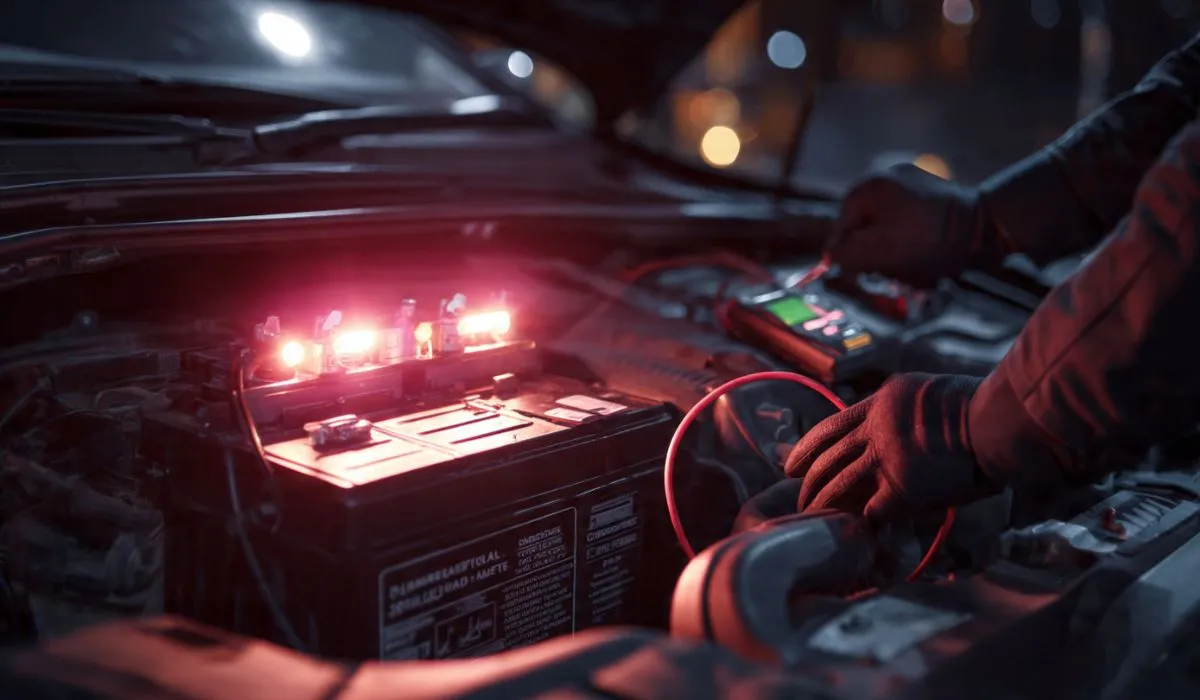
The Problem (Simple Explanation):
Your car uses two main electrical sources:
- Battery → starts the car
- Alternator → keeps it running and charges battery
If the alternator is bad, the battery drains continuously even after replacement.
Modern cars from Toyota, Honda, and Ford Motor Company rely heavily on alternators for powering electronic systems, making alternator health extremely important.
Symptoms of a Bad Alternator with a New Battery:
Even with a fresh battery, you may notice these signs:
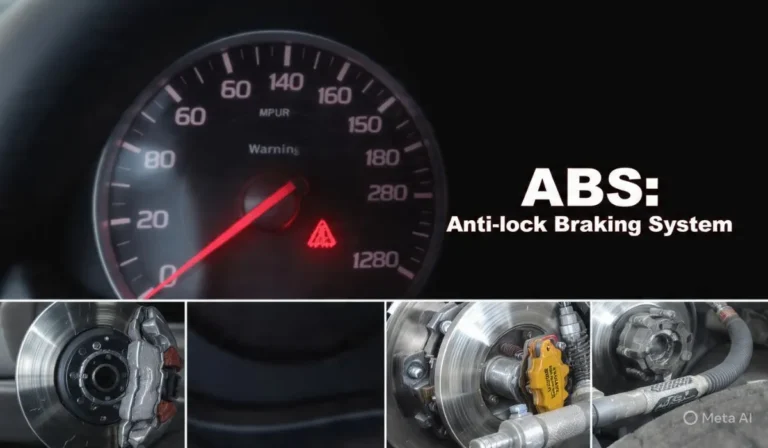
1. Battery Warning Light on Dashboard
One of the earliest signs is a glowing battery icon.
2. Car Starts but Dies Quickly
Engine may start, then shut off after a few minutes.
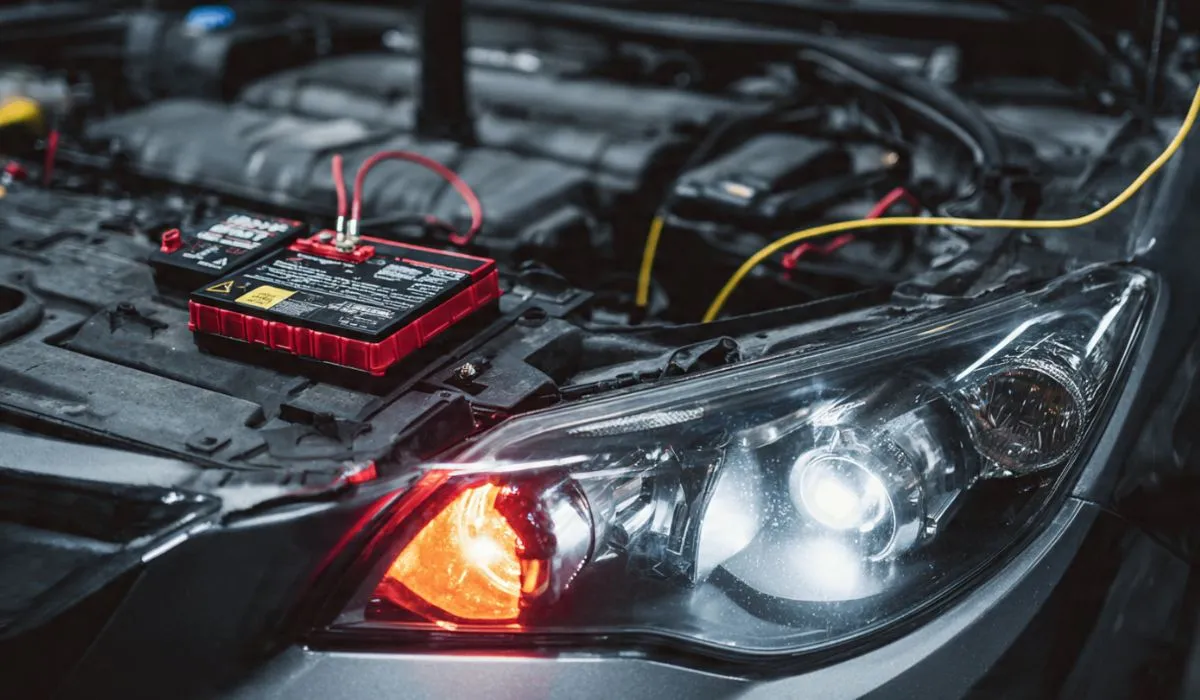
3. Dim or Flickering Lights
Headlights and interior lights may fluctuate.
4. Electrical Failures
Radio, power windows, or infotainment system may stop working.
5. Weak or Dead Battery Again
New battery drains quickly within days.
6. Burning Smell or Noise
A failing alternator may produce a burning rubber smell or whining sound.
7. Difficulty Starting Again After Driving
Car starts once, but fails after short trips.
Step-by-Step Diagnosis Process:
Step 1: Check Battery Voltage
Use a multimeter:
- Engine OFF: ~12.6V (healthy battery)
- Engine ON: 13.7V–14.7V (alternator charging)
If voltage does not increase when engine is running, alternator is likely faulty.
Step 2: Inspect Battery Terminals
Look for:
- Loose connections
- Corrosion (white or green buildup)
- Damaged cables
Even a good alternator cannot charge through bad connections.
Step 3: Start the Car and Remove Battery Test (Professional Only)
With engine running:
- Disconnect battery (carefully, only if experienced)
If engine shuts off → alternator is not supplying power.
Step 4: Listen for Alternator Noise
A bad alternator may produce:
- Whining sound
- Grinding noise
- Squealing belt noise
Step 5: Check Serpentine Belt
A loose or broken belt means alternator cannot spin.
Step 6: Scan OBD Error Codes
Modern cars store alternator-related faults in ECU.
Possible Causes of Alternator Failure:
1. Worn-Out Alternator
Internal components degrade over time.
2. Faulty Voltage Regulator
Controls charging output; failure causes over/undercharging.
3. Damaged Serpentine Belt
Prevents alternator from spinning.
4. Wiring or Connection Issues
Loose cables interrupt charging.
5. Overloaded Electrical System
Too many accessories strain alternator.
6. Manufacturing Defect (Rare)
New alternators can fail early.
Solutions and Fixes:
Fix 1: Replace Alternator
Most common and reliable solution.
Fix 2: Replace Voltage Regulator
In some vehicles, regulator is separate.
Fix 3: Repair or Replace Belt
If worn or broken, replace immediately.
Fix 4: Clean and Tighten Connections
Ensure strong electrical contact.
Fix 5: Battery Reset After Repair
Reset ECU or disconnect battery briefly after fix.
Read Next: What Is Torque vs Horsepower? Key Differences
Emergency Actions (If Alternator Fails While Driving):
If your alternator fails while driving:
Step 1: Turn Off Non-Essential Electronics
- AC
- Radio
- Charging devices
Step 2: Drive Directly to Safe Location
Avoid long distances.
Step 3: Avoid Stopping Engine
If possible, keep engine running until safe stop.
Step 4: Call Roadside Assistance
Do not risk complete breakdown in traffic.
The American Automobile Association advises drivers to seek professional help immediately when charging system failure is suspected.
Prevention Tips:
1. Regular Electrical System Checks
Test alternator during servicing.
2. Replace Battery and Alternator Together When Needed
Old systems strain new parts.
3. Avoid Overloading Electrical Accessories
Extra lights or devices can stress alternator.
4. Inspect Belt Condition Regularly
Cracked belts should be replaced early.
5. Check Warning Lights Immediately
Do not ignore dashboard signals.
Following maintenance advice from the National Highway Traffic Safety Administration helps prevent sudden roadside failures and improves vehicle reliability.
Maintenance Schedule Table:
| Component | Check Interval | Purpose |
|---|---|---|
| Alternator | Every 12 months | Charging system health |
| Battery | Every 6 months | Power storage check |
| Serpentine Belt | 20k–40k miles | Power transfer |
| Wiring System | Annual | Electrical safety |
| Voltage Test | During service | Charging efficiency |
How a Healthy Alternator Should Behave:
A working alternator:
- Maintains stable voltage (13.7–14.7V)
- Keeps lights steady
- Charges battery during driving
- Powers all electronics smoothly
If this does not happen, inspection is needed.
Why New Batteries Fail Quickly:
Many drivers wrongly assume battery is the issue. In reality:
- Alternator is not charging battery
- Electrical system is draining power
- Battery becomes deeply discharged repeatedly
Even premium batteries cannot survive without proper charging.
FAQs:
1. Can a bad alternator ruin a new battery?
Yes, it can completely drain and damage it.
2. How long does a battery last with a bad alternator?
Usually only a few minutes to a few hours of driving.
3. Can I jump-start a car with a bad alternator?
Yes, but it will die again soon.
4. What is the first sign of alternator failure?
Battery warning light or dimming lights.
5. Can a car run without alternator?
Only briefly using battery power.
6. Is it safe to drive with a bad alternator?
No, it can cause sudden breakdown.
7. How much does alternator replacement cost?
Varies by vehicle, but generally moderate compared to engine repairs.
Final Thoughts:
A bad alternator with a new battery is one of the most misunderstood car problems. Many drivers replace batteries repeatedly without realizing the real issue is the charging system.
The key takeaway is simple:
If your new battery keeps dying, check the alternator first.