Manual vs Automatic Transmission – Which Is Better for You?

Choosing between a manual and an automatic transmission is one of the first big decisions car buyers make. Your choice affects how the car feels to drive, how much fuel it uses, how tired you feel in traffic, and even long-term maintenance costs.
This beginner-friendly, step-by-step guide explains how each transmission works, their pros and cons, and which one suits different driving styles—so you can decide with confidence.
What Is a Transmission?
The transmission is the system that transfers engine power to the wheels and controls gear ratios. It ensures your car can start smoothly, climb hills, cruise on highways, and reverse safely.
Most passenger vehicles from brands like Toyota, Honda, and Ford Motor Company are offered in either manual or automatic versions (or both).
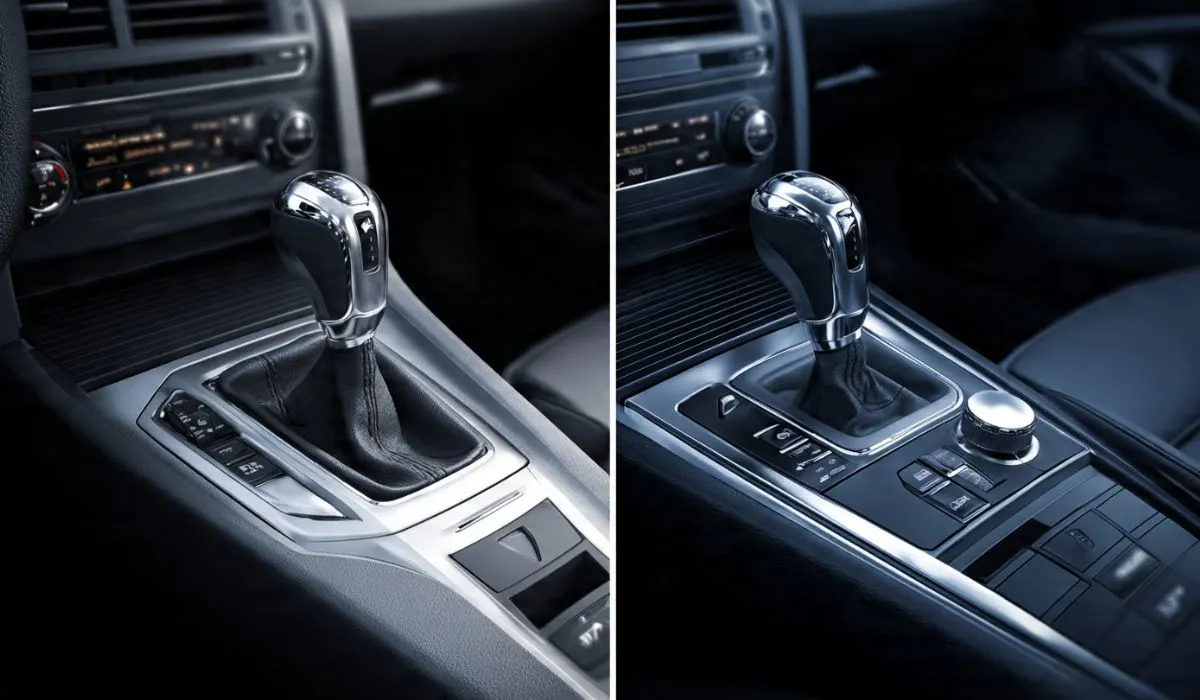
How a Manual Transmission Works (Simple Explanation):
A manual transmission requires the driver to:
- Press the clutch pedal
- Move the gear lever
- Release the clutch smoothly while pressing the accelerator
You manually select gears based on speed and engine load.
What the Clutch Does
The clutch temporarily disconnects the engine from the transmission so you can change gears without grinding metal parts.
How an Automatic Transmission Works:
An automatic transmission does the gear shifting for you. There is no clutch pedal. The system uses hydraulic pressure, sensors, and a torque converter (or dual clutch) to change gears automatically.
You simply select:
- P (Park)
- R (Reverse)
- N (Neutral)
- D (Drive)
The car handles the rest.
Step-by-Step Driving Experience:
| Action | Manual | Automatic |
|---|---|---|
| Starting the car | Use clutch + gear | Just press brake and start |
| Moving from stop | Balance clutch and throttle | Release brake and go |
| Changing speed | Shift gears yourself | Car shifts automatically |
| Traffic driving | Frequent clutch use | Very easy, no effort |
| Learning curve | Higher | Very low |
Pros and Cons of Manual Transmission:
Advantages
- More control over the car
- Usually cheaper to buy
- Slightly better fuel economy (in many cases)
- Lower maintenance cost
- Engaging driving experience
Disadvantages
- Tiring in traffic
- Harder for beginners
- Risk of stalling
- Requires coordination
Pros and Cons of Automatic Transmission:
Advantages
- Extremely easy to drive
- Perfect for city traffic
- Smooth driving experience
- Beginner-friendly
- Less driver fatigue
Disadvantages
- Usually more expensive
- Slightly higher maintenance cost
- Less driver control (in basic automatics)
Fuel Economy: Which Saves More Fuel?
In the past, manuals were more fuel-efficient. Modern automatics have improved significantly.
Advanced automatics from brands like BMW and Hyundai Motor Company often match or even beat manual fuel economy due to smart computer control.
Real answer: It depends more on driving style than transmission type.
Maintenance and Repair Costs:
| Component | Manual | Automatic |
|---|---|---|
| Clutch wear | Yes | No |
| Transmission fluid | Less complex | More complex |
| Repair cost | Usually lower | Usually higher |
| Lifespan | Long with care | Long but costly if fails |
Manual gearboxes are mechanically simpler. Automatics are more complex but reliable when maintained.
City Driving vs Highway Driving:
1. Best for City Traffic
Automatic wins. Constant clutch use in manuals becomes exhausting.
2. Best for Highways
Both are comfortable, but manuals give more control during overtaking.
Driving Control and Feel:
Manual cars give you:
- Precise gear choice
- Better engine braking
- Sportier feel
Automatics give you:
- Smoothness
- Convenience
- Stress-free driving
Read Next: What Is RPM in a Car
Learning to Drive: Which Is Easier?
Automatic cars are far easier for beginners. There’s no risk of stalling, and you can focus on the road.
Many driving schools now use automatics for this reason.
When Manual Is a Better Choice:
Choose manual if you:
- Enjoy driving control
- Drive mostly on highways or rural roads
- Want lower purchase cost
- Prefer simple mechanics
When Automatic Is a Better Choice:
Choose automatic if you:
- Drive daily in heavy traffic
- Are a beginner driver
- Want maximum comfort
- Prefer convenience over control
Effective Tips Before Choosing:
- Test drive both types.
- Consider your daily route (traffic vs open road).
- Think about who else will drive the car.
- Consider resale value in your area.
- Check service availability for automatics nearby.
Authoritative Recommendations:
Automotive safety and driver comfort are often highlighted by trusted bodies:
- American Automobile Association notes reduced fatigue with automatic cars in urban driving.
- National Highway Traffic Safety Administration encourages choosing vehicles that reduce driver distraction and fatigue.
- Owner manuals from Toyota and Honda provide guidance on proper use and maintenance of both types.
Manual vs Automatic for Hills and Traffic:
| Situation | Better Choice |
|---|---|
| Stop-and-go traffic | Automatic |
| Steep hill driving | Manual (more control) |
| Long commutes | Automatic |
| Performance driving | Manual |
Resale Value Consideration:
In many markets, automatics are becoming more popular, improving resale value. However, manuals still sell well where buyers prefer affordability.
FAQs:
Is manual transmission dying out?
Not completely, but automatics are becoming more common.
Which is safer?
Both are safe. Automatics reduce driver workload.
Do manuals last longer?
They can, due to simpler mechanics.
Is automatic boring to drive?
Not necessarily. Many modern automatics have manual modes.
Which is better for beginners?
Automatic, without question.
Does manual save fuel?
Sometimes, but modern automatics are very efficient too.
Final Thoughts:
There is no universal “better” transmission—only what’s better for you.
- If you value control, engagement, and lower cost, go manual.
- If you value comfort, ease, and stress-free driving, go automatic.