
What To Do If Car Battery Dies While Driving | Emergency Guide

A car battery dying while driving is uncommon, but it can happen. In modern vehicles, the battery works together with the alternator and electrical system to power ignition, lights, steering assistance, and engine control systems. When this system fails, the vehicle may gradually lose power or stop completely.
This guide explains exactly what to do in a safe, structured way, based on general road safety practices supported by organizations such as the American Automobile Association and the National Highway Traffic Safety Administration.
Know What Is Actually Happening:
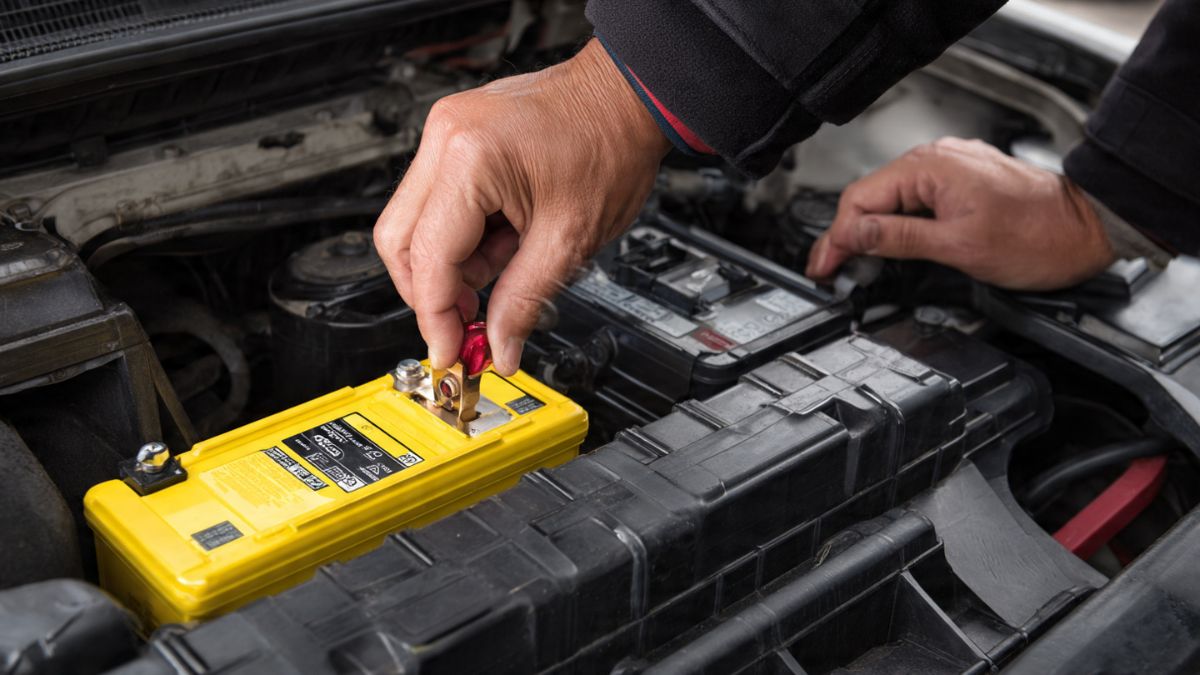
When drivers say “battery died while driving,” the issue is often not just the battery. Common causes include:
- Alternator failure (most common)
- Loose or corroded battery terminals
- Broken serpentine belt
- Electrical system malfunction
- Old or weak battery that cannot hold charge
Once the alternator stops working, the car relies only on battery power until it is depleted.
Early Warning Signs:
Before complete failure, you may notice:
- Battery warning light on dashboard
- Dim or flickering headlights
- Radio or infotainment shutting off
- Heavy steering due to loss of power assist
- Electrical glitches such as slow windows
- Engine hesitation or rough running
Recognizing these early signs helps prevent roadside breakdowns.
Tools You Should Keep in Your Car:
For emergency preparedness, keep the following items:
- Jumper cables
- Portable jump starter
- Flashlight
- Reflective warning triangle
- Phone charger
- Basic tool kit
- Gloves
Read Next: Types Of Car Engines And Their Functions | Complete Beginner Guide
What To Do If Car Battery Dies While Driving | Emergency Guide:
Step 1: Stay Calm and Maintain Control
Do not panic. Most cars will continue running for a short time even after the charging system fails.
Step 2: Reduce Electrical Load Immediately
Turn off non-essential systems:
- Air conditioning
- Audio system
- Phone charging
- Interior lights
This helps conserve remaining battery power.
Step 3: Check Dashboard Indicators
Look for:
- Battery warning light
- Loss of power steering assist
- Dimming headlights
These confirm an electrical system failure.
Step 4: Move Safely to the Side of the Road
Use indicators early and gradually slow down. Move to a safe location such as:
- Road shoulder
- Parking area
- Wide shoulder away from traffic
The National Highway Traffic Safety Administration strongly emphasizes moving disabled vehicles out of active traffic lanes whenever possible.
Step 5: Keep the Engine Running (If Possible)
If the engine is still running, keep it on while you safely stop. Turning it off may prevent restarting.
Step 6: Activate Hazard Lights
Turn on hazard lights immediately to alert other drivers.
Step 7: Attempt One Restart Only If Necessary
If the engine shuts off:
- Try restarting once
- If it fails, stop further attempts
Repeated cranking drains remaining battery power.
Step 8: Call Roadside Assistance
Contact professional help instead of attempting unsafe roadside repairs.
The American Automobile Association recommends calling roadside assistance when electrical or charging system failures occur, especially in traffic conditions.
Step 9: Do Not Continue Driving Long Distances
Even if the car restarts, drive directly to a repair shop. The charging system must be inspected.
Common Mistakes to Avoid:
- Ignoring battery warning light
- Repeatedly restarting the engine
- Driving long distances after failure
- Turning off engine too early in unsafe areas
- Overusing electrical systems during failure
- Attempting repairs in traffic
Read Next: Types Of Car Engines And Their Functions | Complete Beginner Guide
Pro Tips for Handling Battery Failure:
- Keep a portable jump starter in the vehicle
- Learn to recognize alternator failure symptoms
- Replace battery every 3 to 4 years
- Inspect battery terminals regularly
- Get periodic electrical system testing
- Keep emergency contact numbers saved
Common Causes of Battery Failure While Driving:
| Cause | Explanation |
|---|---|
| Alternator failure | Battery stops charging |
| Loose terminals | Power interruption occurs |
| Old battery | Cannot hold charge |
| Broken belt | Alternator stops working |
| Electrical fault | Excess power drain |
Emergency Checklist:
- Turn off air conditioning and accessories
- Observe dashboard warning lights
- Move to safe roadside area
- Turn on hazard lights
- Avoid repeated engine restarts
- Call roadside assistance
- Stay safe away from traffic
Maintenance Schedule to Prevent Battery Failure:
| Time Interval | Maintenance Task |
|---|---|
| Every 3 months | Check battery terminals |
| Every service | Inspect alternator belt |
| Every 6 months | Test battery voltage |
| Every 2–3 years | Battery health check |
| Every 3–5 years | Replace battery if weak |
| Annually | Full electrical system inspection |
How to Prevent Battery Failure While Driving:
1. Regular Battery Inspection
Check battery condition during routine servicing.
2. Clean Battery Terminals
Corrosion can block proper current flow.
3. Avoid Frequent Short Trips
Short trips prevent full battery recharge.
4. Monitor Alternator Health
A failing alternator is a common hidden cause.
5. Respond to Warning Lights Immediately
Dashboard warnings should never be ignored.
Why Modern Cars Are More Sensitive:
Modern vehicles from manufacturers like Toyota, Honda, and Ford Motor Company rely heavily on electronics:
- Electric power steering systems
- Electronic fuel injection
- Advanced sensor-based engine control
This means electrical failure affects multiple systems quickly.
FAQs:
Can I still drive if the battery dies while driving?
Only until stored power runs out. Eventually the car will stop.
What usually fails first, battery or alternator?
Most often the alternator fails first.
How long can a car run without a working alternator?
Usually between 20 to 60 minutes depending on battery condition.
Is it safe to restart the car repeatedly?
No, it can drain the remaining battery completely.
What should I do first in this situation?
Reduce electrical load and move to a safe roadside area.
Does steering still work if battery dies?
Yes, but steering becomes heavier due to loss of power assist.