How To Mechanically Reduce Fuel Consumption In Cars | Expert Guide to Improve Mileage and Efficiency

Fuel prices continue to rise globally, and many drivers are looking for ways to improve mileage without changing their driving habits completely. While driving style plays a role, a major and often overlooked factor is the mechanical condition of the vehicle.
A poorly maintained or mechanically inefficient car can consume 10–30% more fuel than necessary. That means even a small issue—like low tire pressure or a dirty air filter—can quietly increase your fuel costs every day.
This guide explains How To Mechanically Reduce Fuel Consumption In Cars using practical, expert-backed methods based on real automotive engineering principles.
How Fuel Consumption Works in Cars?
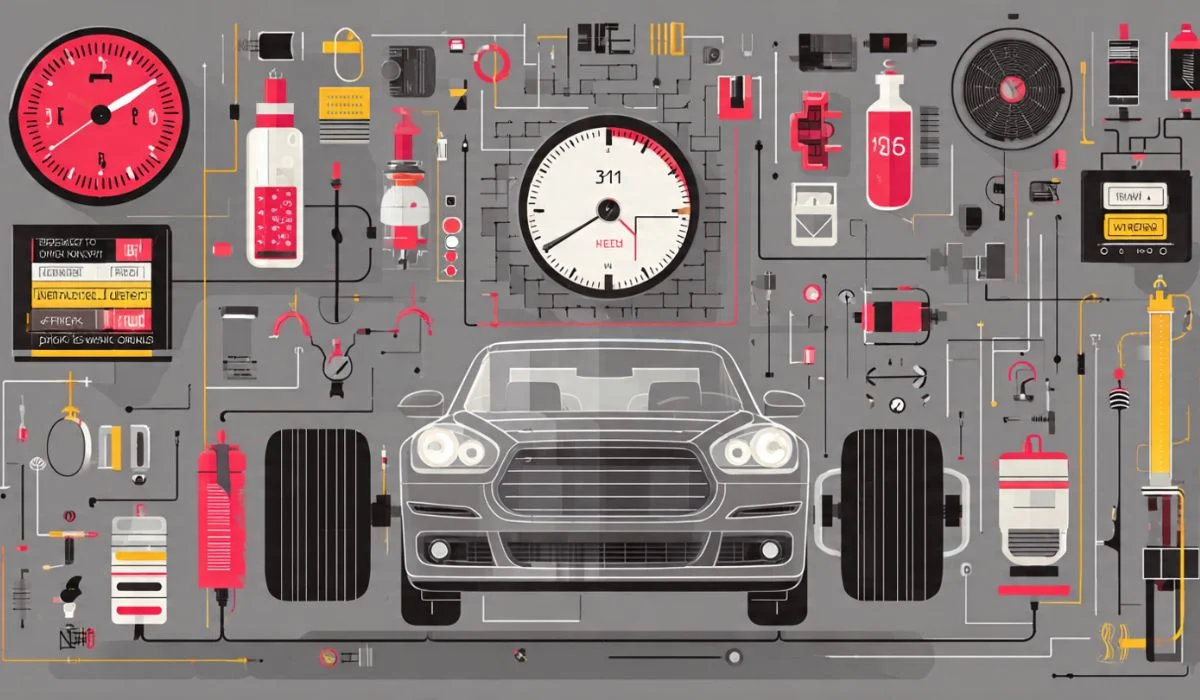
To reduce fuel consumption mechanically, you must first understand what affects it.
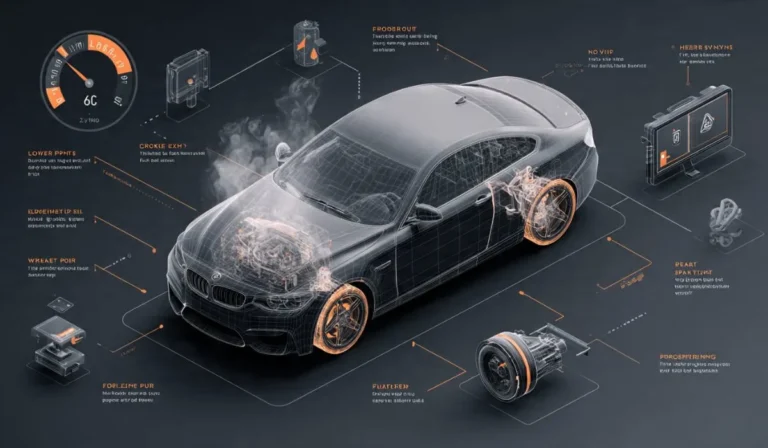
Key systems involved in fuel efficiency
- Engine combustion system
- Air intake system
- Fuel injection system
- Transmission system
- Exhaust system
- Tire and wheel system
- Electrical load system
Each system affects how efficiently fuel is converted into motion.
Why Mechanical Issues Increase Fuel Consumption?
When your car is not mechanically optimized:
- Engine works harder than necessary
- Fuel-air mixture becomes unbalanced
- Friction increases inside components
- Energy is wasted instead of converted into motion
Even small inefficiencies multiply over time, leading to higher fuel consumption.
Read Next: Why Noise When Turning Steering Wheel At Low Speed? Causes & Fixes
Maintain Proper Tire Pressure (Most Underrated Factor):
Why tire pressure matters
Under-inflated tires increase rolling resistance, meaning the engine must burn more fuel to move the car.
Effects of low tire pressure
- Higher fuel consumption
- Poor acceleration
- Uneven tire wear
- Increased heat generation
Expert recommendation
- Check tire pressure monthly
- Maintain manufacturer-recommended PSI
- Use nitrogen inflation if available
Proper tire pressure alone can improve fuel efficiency by 3–5%.
Use High-Quality Engine Oil:
How engine oil affects fuel consumption
Engine oil reduces internal friction. If oil is old or low-quality, friction increases, causing the engine to work harder.
Benefits of proper oil
- Smooth engine operation
- Reduced internal resistance
- Better fuel combustion efficiency
Best practices
- Use manufacturer-recommended viscosity
- Change oil every 5,000–10,000 km (depending on oil type)
- Avoid overdue oil changes
Clean or Replace Air Filters Regularly:
Role of air filters
Air filters ensure clean airflow into the engine for proper combustion.
What happens when filters are dirty
- Reduced airflow
- Rich fuel mixture (too much fuel, not enough air)
- Increased fuel consumption
Signs of a dirty air filter
- Weak acceleration
- Reduced mileage
- Black smoke from exhaust
Replacing a clogged air filter can improve efficiency by up to 10%.
Maintain Fuel Injectors:
What fuel injectors do
They spray fuel into the engine in precise amounts.
Problems with dirty injectors
- Uneven fuel distribution
- Poor combustion
- Engine misfires
Mechanical solution
- Use injector cleaning solutions
- Periodic ultrasonic cleaning (recommended for older cars)
- Replace faulty injectors if needed
Clean injectors ensure optimal fuel atomization and better mileage.
Keep the Engine Properly Tuned:
What engine tuning means
Engine tuning ensures all systems work in balance—air, fuel, and ignition.
Key tuning areas
- Spark timing
- Air-fuel ratio
- Sensor calibration
- Idle speed control
Why tuning improves fuel economy
A well-tuned engine burns fuel efficiently without waste.
Maintain Spark Plugs and Ignition System:
Role of spark plugs
They ignite the fuel-air mixture in the combustion chamber.
When spark plugs wear out
- Weak ignition
- Misfires
- Increased fuel usage
Maintenance tips
- Replace every 30,000–100,000 km depending on type
- Use correct heat range plugs
- Inspect ignition coils regularly
Efficient ignition = better combustion = lower fuel consumption.
Reduce Engine Friction Internally:
Why friction matters
More friction = more energy wasted = more fuel burned.
Ways to reduce friction
- Use synthetic engine oil
- Maintain proper oil level
- Replace worn engine components
- Keep cooling system efficient
Lower friction improves engine efficiency significantly.
Ensure Proper Wheel Alignment and Balancing:
What happens when alignment is off
- Tires drag instead of rolling smoothly
- Engine works harder
- Fuel consumption increases
Signs of misalignment
- Car pulls to one side
- Uneven tire wear
- Steering instability
Expert recommendation
- Check alignment every 10,000 km
- Balance wheels during tire rotation
Maintain Transmission System Efficiency:
Automatic transmission
If transmission fluid is old or low:
- Gear shifts become inefficient
- Engine revs higher than needed
- Fuel consumption increases
Manual transmission
- Clutch slipping wastes energy
- Poor gear usage reduces efficiency
Maintenance tips
- Change transmission fluid as recommended
- Avoid aggressive shifting
- Repair clutch issues early
Reduce Excess Vehicle Weight (Mechanical Load Factor):
Why weight matters
Heavier vehicles require more energy to move.
Mechanical contributors to weight
- Unused roof racks
- Heavy aftermarket parts
- Carrying unnecessary cargo
Fuel-saving impact
Reducing excess weight improves fuel efficiency immediately.
Keep Brake System from Dragging:
What is brake drag?
When brakes do not release fully, wheels resist movement.
Causes
- Stuck calipers
- Worn brake pads
- Faulty brake fluid system
Fuel impact
Engine works harder to overcome resistance.
Maintain Cooling System Efficiency:
Why cooling affects fuel consumption
An overheating engine burns fuel inefficiently.
Key components
- Radiator
- Coolant
- Thermostat
- Water pump
Maintenance tips
- Use proper coolant mixture
- Flush system regularly
- Check leaks and blockages
Optimize Air Conditioning System:
How AC affects fuel usage
AC compressor adds load to engine.
Mechanical improvements
- Maintain refrigerant level
- Repair compressor issues
- Clean condenser
Efficient AC system reduces unnecessary engine strain.
Upgrade to Low Rolling Resistance Tires:
What they are
Special tires designed to reduce friction with road.
Benefits
- Better mileage
- Smoother movement
- Less engine effort required
Keep Exhaust System Clean:
Why exhaust matters
A clogged exhaust restricts engine airflow.
Common issues
- Blocked catalytic converter
- Carbon buildup
- Damaged muffler
Fuel impact
Poor exhaust flow reduces combustion efficiency.
Use High-Quality Fuel System Components:
Importance
Low-quality parts reduce engine performance.
Components to monitor
- Fuel pump
- Fuel filter
- Injectors
A clean fuel system ensures optimal combustion.
Regular Engine Diagnostics (Modern Approach):
Why diagnostics matter
Modern cars rely heavily on sensors.
What diagnostics detect
- Sensor failures
- Fuel imbalance
- Air intake issues
Early detection prevents fuel wastage.
Driving Conditions vs Mechanical Efficiency:
Even though this is mechanical focus, conditions matter:
- Stop-and-go traffic increases load
- Poor road conditions increase resistance
- Long idling wastes fuel
A well-maintained car reduces these effects.
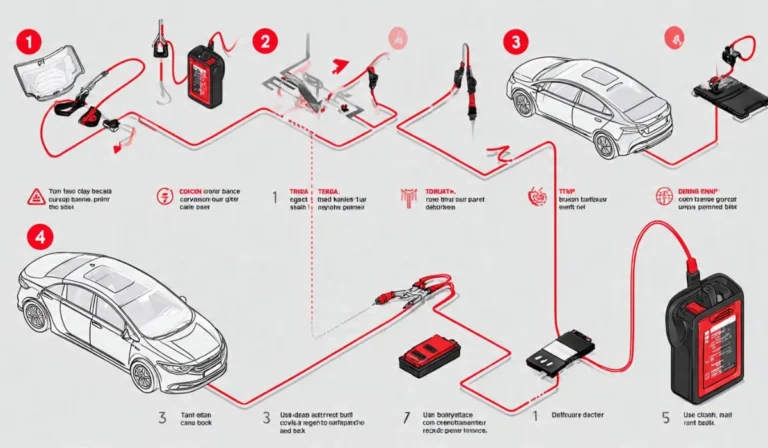
Step-by-Step How To Mechanically Reduce Fuel Consumption In Cars :
Step 1: Basic maintenance
- Air filter
- Oil change
- Tire pressure
Step 2: System inspection
- Injectors
- Spark plugs
- Fuel system
Step 3: Mechanical optimization
- Alignment
- Transmission
- Brake system
Step 4: Final tuning
- ECU diagnostics
- Sensor calibration
- Engine tuning
Real-Life Example:
A driver experiencing poor mileage discovered the issue was not driving style, but under-inflated tires and a clogged air filter. After fixing both, fuel efficiency improved by nearly 15% without changing habits.
Common Mistakes That Increase Fuel Consumption:
- Ignoring tire pressure
- Skipping oil changes
- Driving with dirty filters
- Delaying engine repairs
- Using low-quality parts
FAQs: How to Mechanically Reduce Fuel Consumption in Cars
What is the most effective mechanical way to improve fuel economy?
Maintaining tire pressure and engine tuning gives the fastest improvement.
Can engine oil affect fuel consumption?
Yes, poor or old oil increases friction and fuel usage.
Do dirty air filters increase fuel consumption?
Yes, they restrict airflow and reduce combustion efficiency.
Does wheel alignment affect mileage?
Yes, misalignment increases rolling resistance.
Can fuel injectors impact fuel efficiency?
Absolutely, dirty injectors reduce combustion efficiency.
Is tire pressure really important for fuel saving?
Yes, it is one of the biggest factors affecting fuel economy.
How often should I service my car for better mileage?
Every 5,000–10,000 km depending on usage and manufacturer guidelines.
Last Call:
Reducing fuel consumption is not just about driving habits—it is deeply connected to your car’s mechanical condition and system efficiency. A well-maintained vehicle burns fuel more cleanly, reduces engine strain, and delivers better mileage consistently.
By focusing on tires, engine tuning, lubrication, fuel systems, and alignment, you can significantly improve fuel economy without changing how you drive.
In the long run, proper mechanical maintenance is the most reliable and cost-effective way to save fuel and extend your car’s lifespan.