How To Check Engine Light On And Car Shaking When Stopped | Causes, Diagnosis, and Expert Fix Guide
 ByAliza
When your check engine light comes on and your car starts shaking while stopped, it’s a clear warning that something in the engine or drivetrain is not working properly.
These two symptoms together are especially important because they often point to issues affecting engine combustion, fuel delivery, or ignition timing.
Ignoring them can lead to poor fuel economy, higher emissions, and in some cases, serious engine damage. The good news is that many causes are common and diagnosable if you understand what to look for.
In this guide, we’ll break down How To Check Engine Light On And Car Shaking When Stopped, why your car shakes at idle, the most likely causes when both happen together, and how to diagnose the issue step-by-step.
What the Check Engine Light Actually Means:
The check engine light is part of your car’s onboard diagnostics system (OBD-II). When the engine control unit (ECU) detects a problem, it stores a fault code and turns on the light.
Vehicles like Toyota Corolla, Honda Civic, and Ford Focus all use this system.
There are two types of check engine warnings:
1. Solid Check Engine Light
- Indicates a non-emergency issue
- Car is usually still drivable
- Needs diagnosis soon
2. Flashing Check Engine Light
- Serious misfire detected
- Possible catalytic converter damage
- Stop driving immediately
Why Your Car Shakes When Stopped:
When your car is idling (stopped but engine running), it should feel smooth. If it shakes or vibrates, something is disrupting engine balance.
Common causes include:
- Engine misfire
- Dirty throttle body
- Bad spark plugs
- Vacuum leaks
- Fuel system issues
- Engine mount wear
When combined with a check engine light, misfires become the most likely cause.
The Most Common Cause: Engine Misfire:
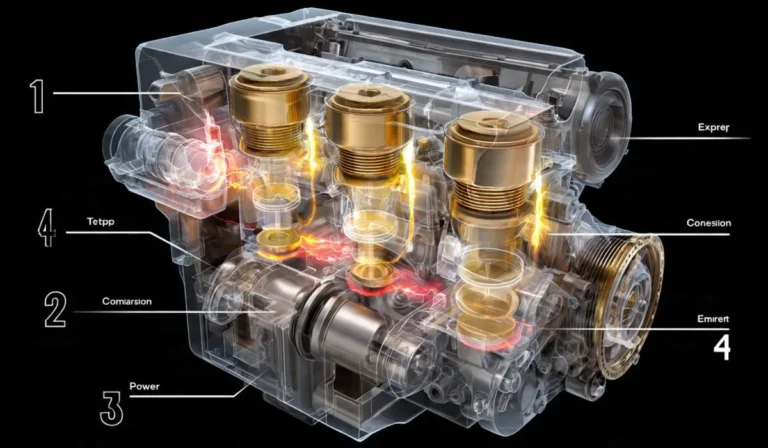
An engine misfire happens when one or more cylinders fail to ignite properly.
This causes:
- Rough idle
- Engine shaking
- Loss of power
- Fuel smell from exhaust
- Check engine light
Misfires are extremely common and often trigger the warning light immediately.
Read Next: Can You Replace Just The Rubber On Wiper Blades? What to Know
What Causes a Misfire?
1. Worn Spark Plugs
Spark plugs ignite the fuel-air mixture. If they are old or damaged:
- Ignition becomes weak
- Engine shakes at idle
- Fuel economy drops
2. Faulty Ignition Coils
Ignition coils send electricity to spark plugs. If one fails:
- One cylinder stops working
- Engine runs unevenly
- Vibration increases
3. Fuel Injector Problems
Fuel injectors spray fuel into the engine. If clogged:
- Fuel delivery becomes uneven
- Engine struggles at idle
- Shaking becomes noticeable
Vacuum Leaks (Very Common Cause):
Your engine relies on precise air intake. A vacuum leak allows extra air into the system.
Symptoms include:
- Rough idle
- Hissing sound
- Lean fuel mixture
- Check engine light
Even a small cracked hose can cause shaking.
Dirty Throttle Body:
The throttle body controls airflow into the engine. Over time, carbon builds up.
When dirty:
- Airflow becomes uneven
- Idle speed fluctuates
- Engine shakes at stop
Cleaning the throttle body often improves idle immediately.
Bad Engine Mounts:
Engine mounts hold the engine in place. If worn:
- Engine vibrations transfer to cabin
- Shaking is felt mostly at idle
- No major performance loss
Unlike other issues, mounts do not usually trigger the check engine light.
Mass Air Flow Sensor (MAF) Issues:
The MAF sensor measures incoming air.
If faulty:
- Incorrect fuel mixture
- Rough idle
- Stalling
- Check engine light
Oxygen Sensor Problems:
O2 sensors monitor exhaust gases. When failing:
- Fuel mixture becomes inaccurate
- Engine runs rough
- Emissions increase
This often triggers a check engine light before noticeable shaking.
Why Both Symptoms Happen Together:
When your car shakes at idle AND the check engine light is on, it usually means:
- The engine is not burning fuel properly
- One or more cylinders are misfiring
- Air-fuel balance is incorrect
Modern cars like the Hyundai Elantra and Nissan Altima are very sensitive to these imbalances, so even small faults trigger warnings.
How to Diagnose the Problem Step-by-Step:
Step 1: Check the Severity of the Light
- Solid light → less urgent
- Flashing light → stop driving immediately
Step 2: Observe the Symptoms
Ask yourself:
- Does the car shake only at idle?
- Does it lose power when accelerating?
- Is there a fuel smell?
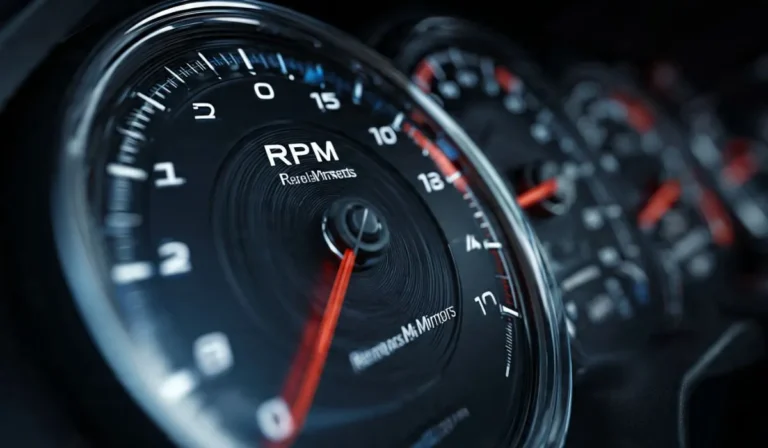
- Is the idle RPM unstable?
Step 3: Use an OBD2 Scanner
A diagnostic scanner reads error codes like:
- P0300 (random misfire)
- P0301–P0304 (specific cylinder misfire)
- P0171 (lean mixture)
This helps pinpoint the exact issue.
Step 4: Check Spark Plugs
Remove and inspect:
- Cracks
- Carbon buildup
- Wear on electrodes
Replace if needed.
Step 5: Inspect Ignition Coils
Swap coils between cylinders to see if the misfire moves.
Step 6: Look for Vacuum Leaks
Check:
- Cracked hoses
- Loose clamps
- Intake manifold leaks
Is It Safe to Drive?
Safe to drive (short distance):
- Solid check engine light
- Minor shaking
Not safe:
- Flashing check engine light
- Strong shaking
- Loss of power
- Engine knocking
Driving in serious misfire conditions can damage the catalytic converter.
What Happens If You Ignore It:
Ignoring these symptoms can lead to:
- Catalytic converter failure
- Increased fuel consumption
- Engine damage
- Costly repairs
- Breakdown
Quick Fixes That Sometimes Help:
- Replace spark plugs
- Clean throttle body
- Tighten air intake hoses
- Replace faulty coil pack
- Reset ECU after repair
Prevention Tips:
- Regular tune-ups
- Replace spark plugs on schedule
- Use quality fuel
- Clean air filters
- Inspect hoses periodically
Final Thoughts:
When your check engine light comes on and your car shakes at idle, it is most often a sign of an engine misfire or air-fuel imbalance. While the issue may seem serious, many causes are relatively simple—like worn spark plugs, dirty throttle bodies, or small vacuum leaks.
However, the key is not to ignore it. Modern engines are highly sensitive, and small problems can quickly become expensive repairs if left untreated.
If your car shows both symptoms together, start with a diagnostic scan and basic inspections. Identifying the issue early can save you money, protect your engine, and restore smooth performance quickly.
FAQs:
1. Why is my check engine light on and my car shaking at idle?
This usually points to an engine misfire, where one or more cylinders are not burning fuel properly. Common causes include bad spark plugs, ignition coils, or fuel delivery issues.
2. Is it safe to drive if my car is shaking and the check engine light is on?
If the light is solid and the shaking is mild, you may drive short distances to a repair shop. If the light is flashing or the shaking is severe, stop driving immediately.
3. What does a flashing check engine light mean?
A flashing light indicates a serious misfire that can damage the catalytic converter if you continue driving.
4. Can low-quality fuel cause shaking and a check engine light?
Yes. Poor-quality fuel can lead to incomplete combustion, causing misfires and rough idle.
5. How do I fix a rough idle and check engine light?
Start with a diagnostic scan. Common fixes include replacing spark plugs, ignition coils, cleaning the throttle body, or fixing vacuum leaks.
6. Can a dirty air filter cause engine shaking?
Yes, a clogged air filter can restrict airflow, affecting the air-fuel mixture and causing rough idle or hesitation.
7. Do bad engine mounts cause the check engine light?
No, worn engine mounts can cause shaking but usually do not trigger the check engine light because they are not electronic components.
8. What is the first thing I should check when this happens?
Use an OBD2 scanner to read error codes. This helps identify whether the issue is ignition, fuel, or air-related.