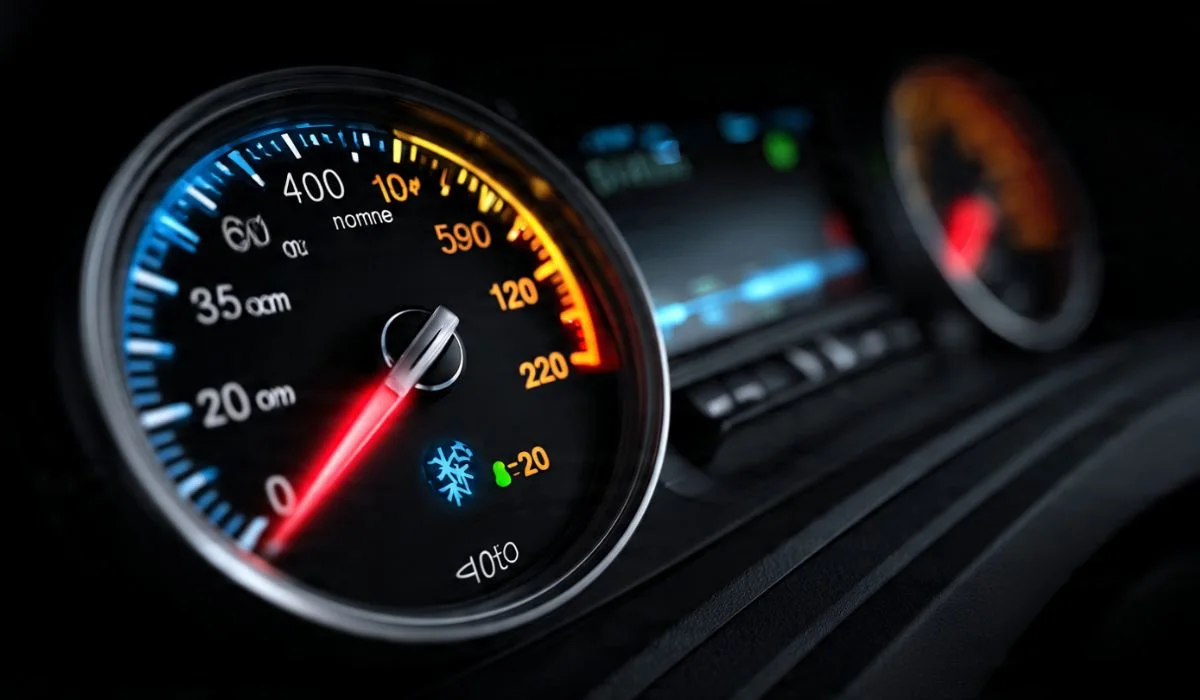
Where Should Your Coolant Level Be On Dashboard? A Quick Guide

When you look at your dashboard, the coolant temperature indicator is one of the most important gauges for your engine’s health. It tells you whether your engine is running at a safe operating temperature or heading toward overheating.
But many drivers get confused about what the reading actually means, where it should be, and what is considered normal.
Understanding your coolant level on the dashboard is not just about avoiding breakdowns—it’s about preventing serious engine damage that can cost a lot of money to repair.
In this guide, we’ll break down exactly Where Should Your Coolant Level Be On Dashboard, what different readings mean, and what to do when things don’t look right.
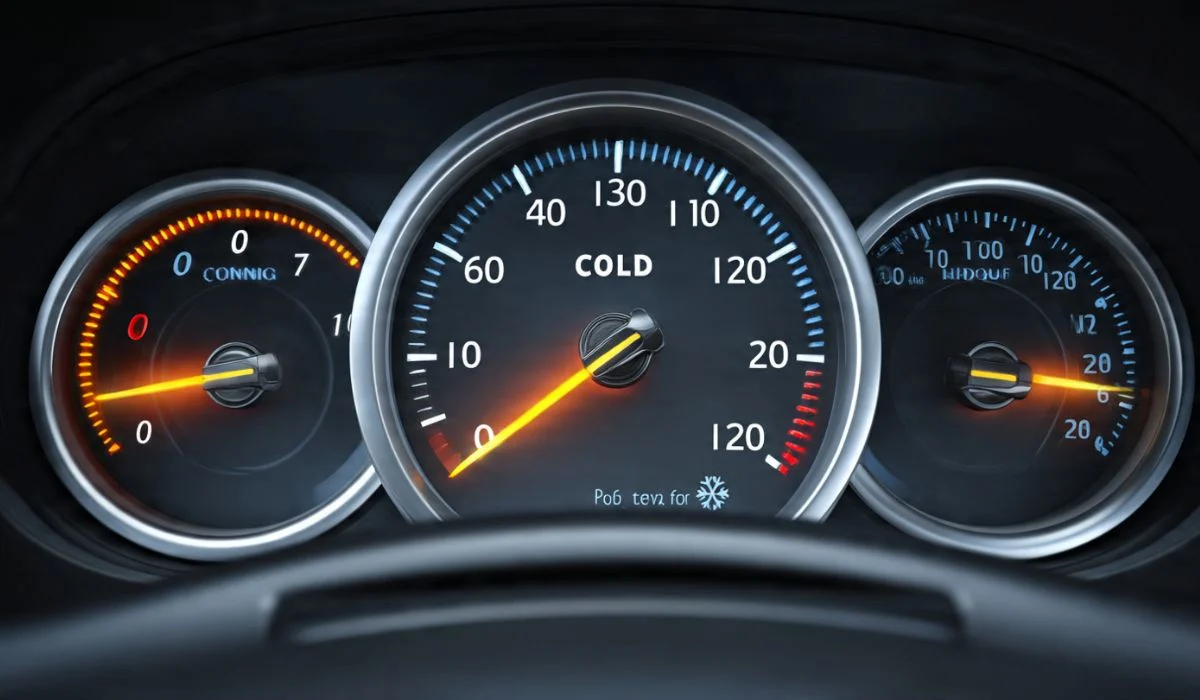
What the Coolant Temperature Gauge Actually Shows:
The coolant gauge does not measure how much coolant you have in the reservoir directly. Instead, it measures the temperature of the engine coolant circulating through your engine.
Most modern cars use a digital or analog gauge connected to a sensor located in the engine’s cooling system. Vehicles like the Toyota Corolla, Honda Civic, and Hyundai Elantra all rely on this system to show engine temperature in real time.
So when you see the coolant gauge move, it’s showing how hot the engine is—not the physical coolant level.
Where Should Your Coolant Level Be On Dashboard?
Under normal driving conditions, your coolant temperature should sit:
- Slightly below the midpoint or directly at the middle of the gauge
- Usually around 85°C to 105°C (185°F to 221°F) depending on the vehicle
- Stable and steady once the engine is warmed up
In most cars, the “normal range” is marked with a middle zone or center line. That’s where your needle should stay during regular driving.
If your car is working correctly, the temperature gauge should:
- Rise gradually after starting
- Reach the middle within 5–15 minutes of driving
- Stay steady while driving
What a Normal Reading Looks Like:
When everything is healthy:
- Cold start: Gauge stays near “C” (Cold)
- Warming up: Needle rises slowly
- Normal driving: Needle stabilizes in the middle
- Highway driving: Slightly cooler or steady
- Traffic: May rise slightly but returns to normal
This is exactly what engineers designed the system to do.
What It Means If the Gauge Stays Low:
If your coolant gauge stays near cold even after driving:
This may indicate:
- Thermostat stuck open
- Faulty temperature sensor
- Low engine load (rare in modern cars)
A stuck-open thermostat prevents the engine from reaching proper operating temperature. This can reduce fuel efficiency and heater performance.
What It Means If the Gauge Stays High:
If the needle stays above the middle or moves toward “H” (Hot), this is a warning sign.
Possible causes include:
- Low coolant level
- Faulty radiator fan
- Blocked radiator
- Stuck thermostat
- Water pump failure
This condition can quickly lead to overheating if not addressed.
Normal vs Dangerous Temperature Levels:
Here’s a simple breakdown:
| Gauge Position | Meaning |
|---|---|
| Cold (C) | Engine not warmed up |
| Lower middle | Normal warming phase |
| Middle | Ideal operating temperature |
| Upper middle | Warning zone |
| Hot (H or red) | Overheating danger |
If your needle enters the red zone, stop driving immediately.
Why the Middle of the Gauge Is the “Safe Zone”:
Modern engines are designed to operate at a specific temperature because:
- Fuel burns more efficiently
- Oil lubricates better
- Emissions are reduced
- Engine components expand correctly
This is why vehicles like the Ford Focus and Toyota Camry are engineered to hold temperature steady at the midpoint.
If the temperature is too low or too high, engine performance suffers.
Why Coolant Temperature Fluctuates:
Some movement in the gauge is normal. You might see changes due to:
- Traffic conditions
- Air conditioning usage
- Uphill driving
- Weather temperature
- Engine load
For example:
- Stuck in traffic → temperature rises slightly
- Driving at speed → airflow cools radiator → temperature drops slightly
However, the needle should always return to the middle range.
Read Next: How To Check Engine Light
Dashboard Warning Signs You Should Never Ignore:
Some vehicles don’t just show a gauge—they also display warning lights.
Watch for:
- Temperature warning light
- Engine overheating symbol
- “Check coolant” message
These indicate serious issues in the cooling system.
Coolant Level vs Coolant Temperature (Important Difference):
Many drivers confuse these two:
Coolant level:
- Physical amount in reservoir tank
- Checked under the hood
Coolant temperature:
- Heat of engine coolant
- Shown on dashboard
You can have:
- Full coolant level but still overheating
- Low coolant level but normal temperature (temporarily)
Both must be healthy for safe driving.
What Happens If Coolant Level Is Low:
Low coolant can cause:
- Rising temperature on dashboard
- Engine overheating
- Heater blowing cold air
- Steam from engine bay
If the level is low, the system cannot absorb heat properly.
What Happens If Coolant Level Is Too High:
Overfilling coolant can also cause issues:
- Overflow from reservoir
- Pressure imbalance
- Reduced expansion space
- Possible hose damage
Coolant expands when hot, so there must always be space in the tank.
How Long It Takes for Temperature to Stabilize:
In most vehicles:
- 2–5 minutes: Engine warms up
- 5–15 minutes: Reaches normal range
- After that: Stable middle reading
Cold weather may increase warm-up time slightly.
Why Your Heater Depends on Coolant Temperature:
Your car heater uses engine heat. When coolant is cold:
- Heater blows cold air
- Cabin takes longer to warm up
Once the gauge reaches the middle, you’ll feel consistent warm air.
When Your Gauge Moves Too Quickly:
If the needle rises or drops rapidly, it could indicate:
- Faulty temperature sensor
- Air trapped in cooling system
- Thermostat malfunction
Healthy systems change gradually, not suddenly.
Driving With Incorrect Coolant Temperature:
Too cold:
- Poor fuel economy
- Increased engine wear
- Weak cabin heating
Too hot:
- Risk of engine damage
- Head gasket failure
- Breakdown risk
How to Check Coolant Properly:
To ensure correct coolant level:
- Let engine cool completely
- Open hood
- Check reservoir markings (“MIN” and “MAX”)
- Ensure level is between marks
Never open the radiator cap when hot.
Warning Signs of Cooling System Problems:
- Temperature gauge rising in traffic
- Heater not working properly
- Sweet smell from engine
- Coolant leaks under car
- Frequent overheating
Final Thoughts:
On your dashboard, the coolant temperature should normally stay at or near the middle of the gauge once the engine is warmed up. This is the safe and designed operating range for most vehicles, including popular models like the Toyota Corolla and Honda Civic.
Anything consistently above or below the middle indicates a potential issue that should be checked. While small fluctuations are normal, steady or extreme changes are not.
Understanding this simple gauge can help you prevent overheating, improve fuel efficiency, and protect your engine from long-term damage.
FAQs:
1. Where should my coolant temperature gauge sit normally?
It should stay around the middle of the gauge once the engine is warmed up. This is the normal operating temperature for most cars.
2. Is it normal for the gauge to move while driving?
Yes, slight movement is normal. It may rise in traffic or drop slightly at high speeds, but it should always return to the middle.
3. What does it mean if the gauge stays on “C” (cold)?
It may indicate a stuck-open thermostat, a faulty temperature sensor, or that the engine is not reaching proper operating temperature.
4. What should I do if the gauge goes near “H” (hot)?
Stop the vehicle safely as soon as possible. Turn off the engine and let it cool down. This could indicate overheating.
5. Does the dashboard gauge show actual coolant level?
No. It shows coolant temperature, not the amount of coolant in the reservoir. Coolant level must be checked under the hood.
6. Why does my car overheat in traffic but go back to normal while driving?
This often points to a weak radiator fan or cooling airflow issue. At higher speeds, natural airflow helps cool the engine.
7. Can low coolant cause the temperature gauge to rise?
Yes. Low coolant reduces the system’s ability to absorb heat, causing the engine temperature to rise quickly.
8. What is the safest temperature range for my engine?
Most cars operate safely at around 85°C to 105°C, which corresponds to the middle range of the gauge.