Why Is My Car Overheating If It Has Coolant | Complete Expert Guide

Many drivers get confused when their car overheats even though the coolant reservoir looks full. It feels illogical—if coolant is there, why is the engine still overheating?
The truth is simple but often misunderstood: coolant alone does not guarantee proper cooling. Your car’s cooling system depends on circulation, pressure, airflow, and mechanical components working together.
If even one part fails, overheating can happen despite having coolant.
This guide explains Why Is My Car Overheating If It Has Coolant, practical way so you can understand what’s happening under the hood and how to fix it safely.
How the Cooling System Actually Works (Simple Explanation):
Before diagnosing the problem, it’s important to understand how cooling works.
Main components involved
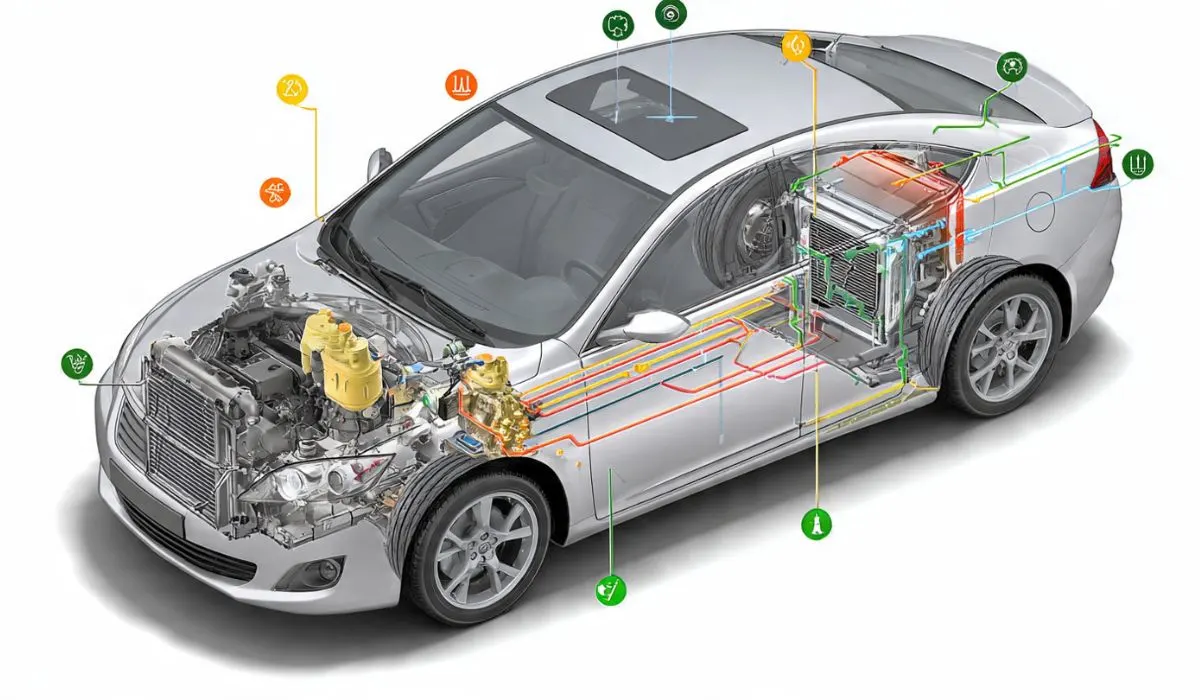
Your engine cooling system includes:
- Radiator
- Coolant (antifreeze mixture)
- Water pump
- Thermostat
- Cooling fans
- Radiator cap
- Hoses and passages
How heat is controlled
- Engine produces heat while running
- Coolant absorbs this heat
- Water pump circulates coolant
- Radiator cools the liquid using air
- Thermostat regulates flow based on temperature
If any step fails, overheating can occur—even if coolant is present.
Why Your Car Overheats Even With Coolant:
Let’s break down the most common real-world causes.
Why this happens
Even with full coolant, air pockets can block proper circulation.
Common causes
- Coolant replacement without proper bleeding
- Small leaks allowing air entry
- Recent radiator or hose repair
What air does inside the system
Air is compressible, unlike coolant. It creates “hot spots” in the engine where coolant cannot reach.
Warning signs
- Temperature fluctuates suddenly
- Heater blows cold air intermittently
- Gurgling sound from dashboard
This is one of the most overlooked causes of overheating.
Faulty Thermostat (Stuck Closed or Partially Closed):
What the thermostat does
It controls when coolant flows to the radiator based on engine temperature.
What goes wrong
If the thermostat is stuck closed:
- Coolant cannot reach radiator
- Engine heat builds rapidly
- Overheating happens quickly
If partially stuck:
- Flow becomes restricted
- Engine runs hotter than normal
Symptoms
- Overheating soon after starting
- Upper radiator hose stays cold
- Poor heater performance
Even with full coolant, circulation is blocked.
Weak or Failing Water Pump:
Role of the water pump
The water pump pushes coolant through the entire system.
What happens when it fails
- Coolant stops moving efficiently
- Engine heat builds up unevenly
- Overheating occurs even with full coolant
Causes of failure
- Worn impeller
- Bearing damage
- Belt issues (in older vehicles)
Warning signs
- Grinding noise from engine
- Coolant leaks near pump area
- Engine overheating at idle or driving
This is a serious issue that requires immediate repair.
Clogged or Partially Blocked Radiator:
Why coolant presence is not enough
Even if coolant is full, it must pass through a clean radiator to cool down.
Causes of blockage
- Rust buildup
- Dirt or debris inside fins
- Internal scaling
- Old coolant residue
What happens
Heat cannot escape efficiently, causing gradual overheating.
Symptoms
- Car overheats on long drives
- Temperature rises on highways
- Uneven heating performance
A clogged radiator is like a blocked filter in a cooling system.
Cooling Fan Not Working Properly:
Why fans matter
Fans pull air through the radiator when the car is stationary or slow-moving.
Possible failures
- Blown fuse
- Faulty relay
- Broken fan motor
- Temperature sensor malfunction
What you may notice
- Overheating in traffic only
- Normal temperature at high speed
- No fan sound when engine is hot
Even with perfect coolant levels, lack of airflow causes overheating.
Radiator Cap Failure (Hidden but Important):
What the radiator cap does
It maintains pressure in the cooling system.
Why it matters
Correct pressure raises coolant boiling point.
What happens if it fails
- Coolant boils too early
- System loses pressure
- Overheating occurs quickly
Signs of a bad radiator cap
- Coolant overflow
- Air bubbles in reservoir
- Frequent overheating despite full coolant
This is a small but critical component.
Head Gasket Problems (Serious Engine Issue):
What the head gasket does
It seals the engine block and prevents coolant mixing with oil or combustion gases.
What happens when it fails
- Exhaust gases enter cooling system
- Coolant loses efficiency
- Pressure imbalance occurs
- Overheating becomes frequent
Warning signs
- White smoke from exhaust
- Milky oil texture
- Constant coolant loss
- Bubbles in coolant tank
This is one of the most severe causes of overheating.
Incorrect Coolant Mixture Ratio:
Why mixture matters
Coolant is not just water—it is a mixture of antifreeze and water.
Ideal ratio
Usually 50:50 mix (varies by manufacturer).
What goes wrong
- Too much water → boiling point lowers
- Too much antifreeze → poor heat transfer
Result
Even full coolant cannot properly absorb and release heat.
Read Next: Why Is My Car Overheating
Blocked Hoses or Internal Flow Restriction:
What causes blockage
- Old rubber hose collapse
- Dirt inside cooling lines
- Internal corrosion
What happens
Coolant cannot flow smoothly between engine and radiator.
Symptoms
- Uneven temperature changes
- Localized overheating
- Weak heater output
Engine Oil Problems Affecting Temperature:
Why oil matters for cooling
Oil reduces friction and helps absorb heat from engine components.
Problems caused by low or degraded oil
- Increased engine friction
- Extra heat generation
- Reduced cooling efficiency
Even with coolant, the engine may overheat due to internal friction.
Overloading or Driving Conditions:
Sometimes the system is fine, but conditions push it too far.
Common situations
- Heavy traffic
- Hot weather
- Towing heavy loads
- Long uphill driving
These conditions increase heat faster than the cooling system can handle.
Why Is My Car Overheating If It Has Coolant:
Step-by-Step Diagnosis Guide
If your car overheats despite having coolant, follow this process:
Step 1: Check coolant level and quality
Look for leaks or discoloration.
Step 2: Observe temperature pattern
Does it overheat at idle, highway, or both?
Step 3: Check radiator fan operation
Listen for fan activation when engine is hot.
Step 4: Inspect radiator cap
Ensure it seals properly.
Step 5: Look for air bubbles
Check coolant reservoir for bubbling.
Step 6: Visit a mechanic
For pressure testing and deeper diagnosis.
Real-World Example:
A common scenario is a driver who refills coolant but still experiences overheating in traffic. After inspection, the real issue is often a failed cooling fan or trapped air in the system, not low coolant.
This shows why coolant level alone is not a complete diagnosis.
Preventive Maintenance Tips:
Regular checks
- Inspect coolant monthly
- Replace coolant every 2–3 years
- Check hoses for cracks
- Monitor temperature gauge
Smart driving habits
- Avoid long idling in heat
- Don’t ignore early warning signs
- Service cooling system regularly
When to Stop Driving Immediately:
Stop the car if:
- Temperature reaches red zone
- Steam appears under hood
- Burning smell is present
- Engine loses power
Continuing to drive can cause permanent engine damage.
FAQs: Why Is My Car Overheating If It Has Coolant?
Can a car overheat with full coolant?
Yes. Problems like air pockets, thermostat failure, or radiator issues can still cause overheating.
What is the most common cause?
A faulty thermostat or cooling fan is very common.
Can air in the cooling system cause overheating?
Yes. Air blocks coolant flow and creates hot spots.
Does coolant go bad over time?
Yes. Old coolant loses effectiveness and should be replaced.
Can I just add water instead of coolant?
Only temporarily in emergencies. Long-term use causes overheating risks.
Why does my car overheat only in traffic?
Usually due to a faulty radiator fan or poor airflow.
Is overheating always serious?
Yes. If ignored, it can damage the engine permanently.
Last Call: Coolant Alone Is Not Enough
If your car is overheating even though it has coolant, the issue is almost always related to circulation, airflow, pressure, or internal mechanical failure—not just coolant level.
The cooling system works as a complete network, and failure in any single part can lead to overheating.
By understanding the real causes and responding early, you can prevent costly engine repairs and keep your vehicle running safely and efficiently.