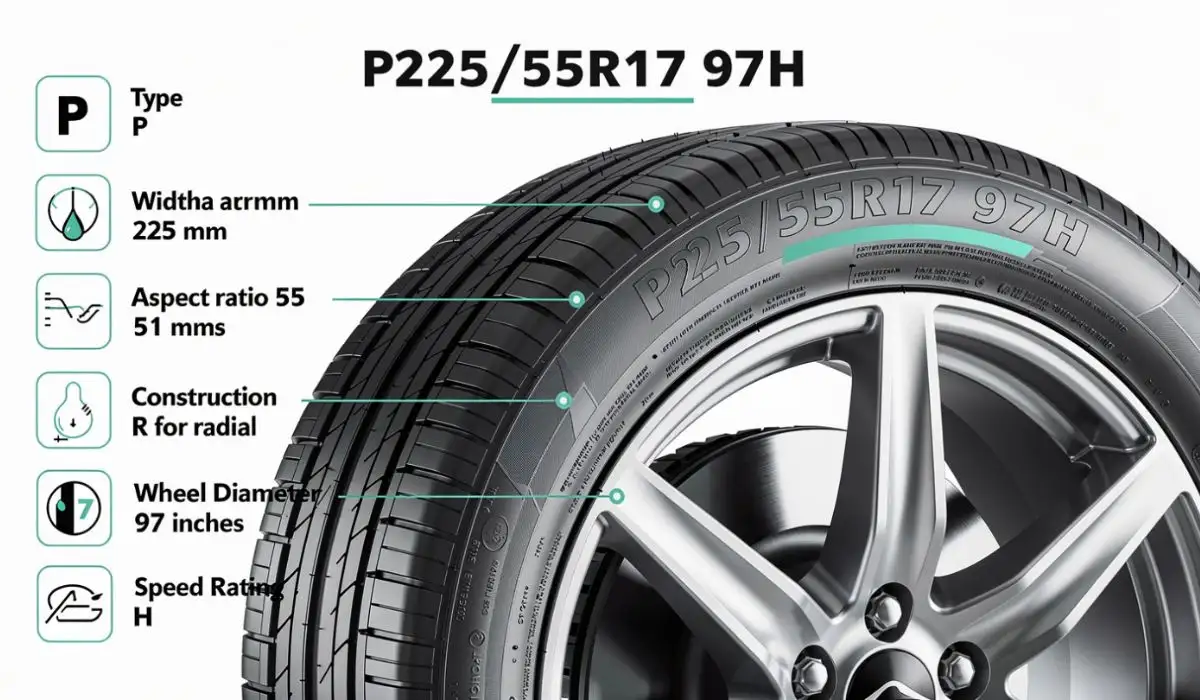
How to Read Tire Size Numbers | A Simple Guide for Drivers
 ByAliza
Understanding tire size numbers is one of the most important but overlooked skills for car owners. Those letters and numbers printed on the sidewall of your tire may look confusing at first, but they actually contain precise information about safety, performance, and compatibility.
Whether you are replacing tires, upgrading wheels, or simply checking your vehicle’s specifications, knowing how to read tire size markings helps you make safer and smarter decisions.
This guide breaks down How to Read Tire Size Numbers in a simple, structured way using real-world automotive standards and clarity.
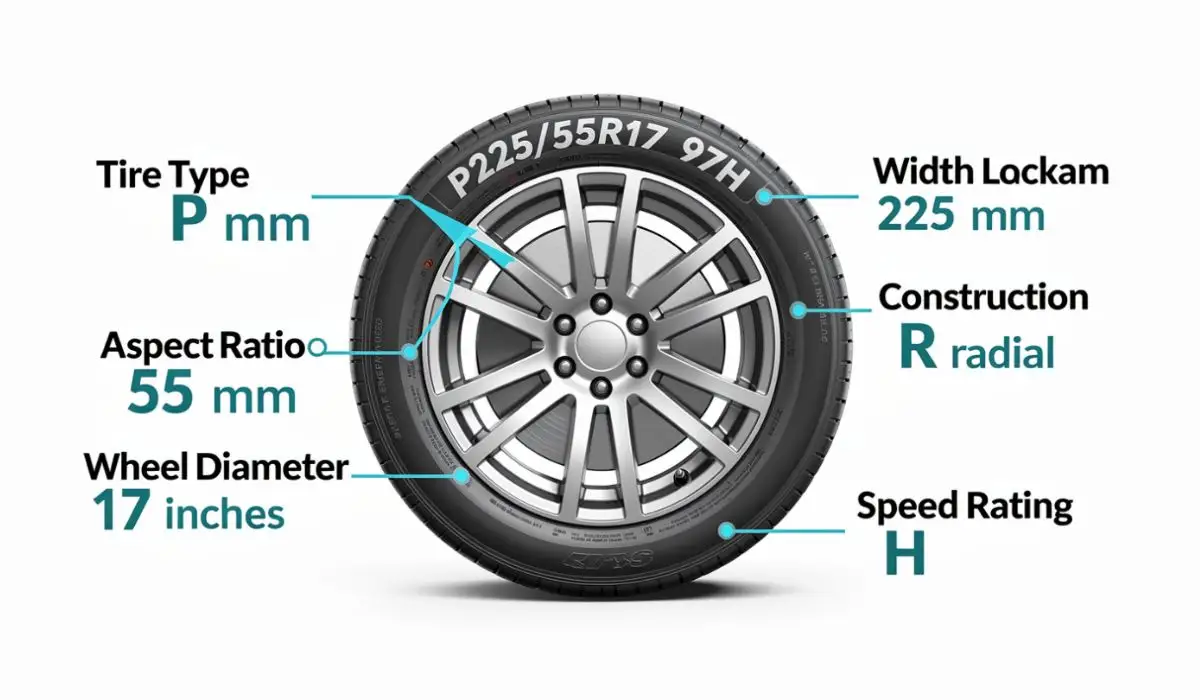
What Are Tire Size Numbers?
Tire size numbers are a standardized code printed on the side of every tire. They describe the tire’s:
- Width
- Aspect ratio
- Construction type
- Wheel diameter
- Load capacity
- Speed rating
For example:
205/55R16 91V
At first glance, this looks complex, but each part has a specific meaning.
Breaking Down the Tire Size Code:
Let’s decode the example:
205/55R16 91V
Each section tells you something important.
1. Tire Width (205)
The first number (205) represents the tire width in millimeters.
So in this case:
- The tire is 205 mm wide
- This is measured from sidewall to sidewall
Why tire width matters:
- Wider tires offer better grip
- Narrow tires improve fuel efficiency
- Width affects handling and stability
2. Aspect Ratio (55)
The second number (55) is the aspect ratio, which is a percentage.
It tells you the height of the sidewall compared to the width.
So:
- Sidewall height = 55% of 205 mm
What this means in simple terms:
- Lower number = shorter sidewall = sportier ride
- Higher number = taller sidewall = more comfort
3. Construction Type (R)
The letter “R” stands for Radial construction, which is the most common tire type today.
Types of construction:
- R = Radial (modern standard)
- D = Diagonal/Bias-ply (older vehicles, some trucks)
Radial tires offer:
- Better fuel efficiency
- Longer lifespan
- Improved road grip
Read Next: How To Clean Car Seats
4. Wheel Diameter (16)
The next number (16) is the wheel rim size in inches.
This means:
- The tire fits a 16-inch wheel
Important note:
You cannot mix tire sizes with different rim diameters.
5. Load Index (91)
The number 91 represents the load index, which indicates how much weight the tire can safely carry.
For example:
- 91 = 615 kg per tire (approx.)
A full set of four tires supports a vehicle weight safely when matched correctly.
6. Speed Rating (V)
The final letter (V) is the speed rating, showing the maximum safe speed the tire can handle.
Examples:
- T = up to 190 km/h
- H = up to 210 km/h
- V = up to 240 km/h
- W = up to 270 km/h
This does NOT mean you should drive at these speeds—it indicates safety limits.
Full Example Meaning:
205/55R16 91V means:
- 205 mm width
- 55% aspect ratio
- Radial construction
- 16-inch wheel
- 615 kg load capacity per tire
- Up to 240 km/h speed rating
Why Tire Size Matters:
Choosing the wrong tire size can affect:
- Safety
- Fuel economy
- Speedometer accuracy
- Handling
- Braking distance
Even small changes can impact performance.
Where to Find Your Tire Size:
You can usually find tire information in:
- Driver’s door sticker
- Owner’s manual
- Existing tire sidewall
Additional Markings on Tires:
Beyond size numbers, tires include extra codes.
1. DOT Code
Shows manufacturing details and safety certification.
2. Treadwear Rating
Indicates how long the tire may last.
3. Traction Rating
Shows grip performance on wet roads.
4. Temperature Rating
Indicates heat resistance capability.
Different Tire Types:
1. All-Season Tires
Balanced performance in most conditions.
2. Summer Tires
Better grip in warm conditions.
3. Winter Tires
Designed for snow and ice.
4. Performance Tires
Optimized for speed and handling.
How Tire Size Affects Driving:
Wider Tires
- Better grip
- Reduced fuel efficiency
- More road noise
Narrow Tires
- Better fuel economy
- Less traction in corners
Low Profile Tires
- Sporty handling
- Less comfort
Can You Change Tire Size?
Yes, but only within safe limits.
Safe upgrades
- Slight width increase
- Maintaining overall diameter
Unsafe changes
- Large diameter mismatches
- Ignoring load rating
- Ignoring speed rating
What Is Plus Sizing?
Plus sizing means increasing wheel diameter while reducing tire sidewall height.
Example:
- 16-inch wheel → 17-inch wheel
- Lower aspect ratio tire used
This improves aesthetics and handling but reduces comfort.
Common Mistakes People Make:
- Ignoring load index
- Choosing wrong rim size
- Assuming all tires fit all cars
- Mixing tire types
- Overlooking speed rating
Tire Safety and Maintenance Tips:
- Check pressure monthly
- Rotate tires regularly
- Inspect tread depth
- Replace worn tires early
- Avoid overloading vehicle
When to Replace Tires:
Replace when:
- Tread depth is below 1.6 mm
- Cracks appear on sidewalls
- Uneven wear is visible
- Tires are older than 5–6 years
Real-World Example:
A compact sedan might use:
195/65R15 91H
This means:
- Narrower tire for fuel efficiency
- Taller sidewall for comfort
- Standard 15-inch wheels
- Balanced speed rating for city driving
Why Manufacturers Use Different Sizes:
Car manufacturers choose tire sizes based on:
- Vehicle weight
- Suspension design
- Performance goals
- Fuel efficiency targets
Tire Size and Fuel Economy:
Smaller, narrower tires generally:
- Reduce rolling resistance
- Improve mileage
Larger, wider tires:
- Increase grip
- Reduce efficiency slightly
Tire Size and Safety:
Correct tire sizing ensures:
- Proper braking distance
- Stability at high speeds
- Even weight distribution
- Accurate speed readings
Seasonal Considerations:
Cold weather affects tire pressure and grip. Winter tires often have:
- Softer rubber
- Deeper tread
- Narrower width
Final Thoughts:
Reading tire size numbers is not complicated once you understand the structure. Every number and letter has a direct impact on safety, performance, and comfort. Learning this code helps you:
- Buy the right tires
- Improve driving safety
- Avoid costly mistakes
- Maintain vehicle performance
Understanding your tires is one of the simplest ways to become a more informed and safer driver.
FAQs:
1. What does 205/55R16 mean?
It describes tire width, aspect ratio, construction, and wheel size.
2. Can I use a different tire size?
Only within manufacturer-approved limits.
3. What is the most important number?
All are important, but load index and diameter are critical for safety.
4. Does tire size affect fuel economy?
Yes, wider tires can reduce mileage.
5. What does R mean in tire size?
Radial construction.
6. What is speed rating?
The maximum safe speed the tire can handle.
7. Where do I find my tire size?
On the tire sidewall or door sticker.
8. Can wrong tire size damage my car?
Yes, it can affect handling and safety.
9. What is aspect ratio?
Height of tire sidewall as a percentage of width.
10. Do all cars use the same tire sizes?
No, sizes vary by vehicle design and purpose.