Why Does My Power Steering Pump Whine When I Accelerate? Causes, Fixes, and Prevention

A whining sound that rises with engine speed is a classic sign of trouble in the steering assist system. If the pitch increases as you press the accelerator—or gets louder when you turn the wheel—your Power steering pump is under stress.
This comprehensive guide explains Why Does My Power Steering Pump Whine When I Accelerate, how to diagnose the exact cause at home, and what to fix before the issue damages expensive components.
The advice mirrors practical workshop procedures and safety-first habits so you can make confident decisions.
How Hydraulic Power Steering Works (Quick Context):
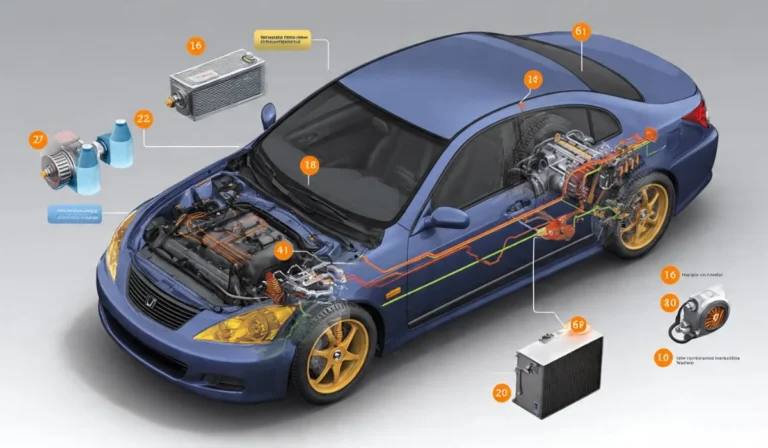
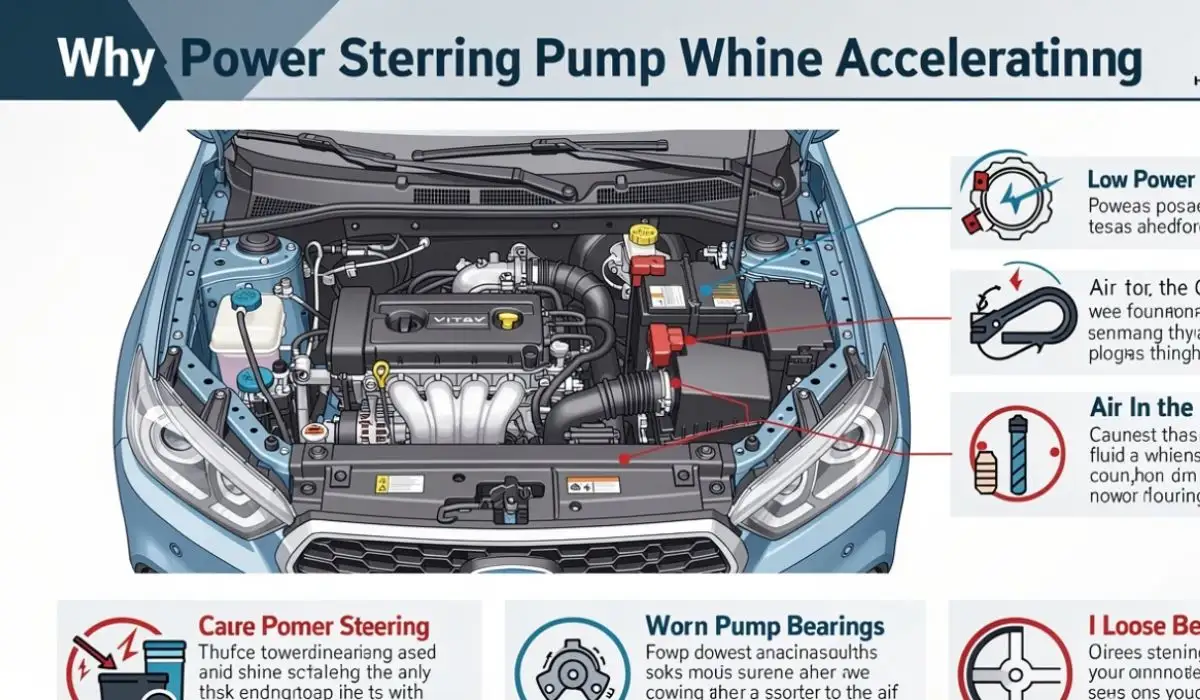
In a traditional hydraulic setup, the pump is driven by the engine through the Serpentine belt. As the pump spins, it pressurizes Power steering fluid and sends it through hoses to the steering gear. This pressure reduces the effort needed to turn the steering wheel.
When you accelerate, engine RPM increases → the pump spins faster → fluid flow and pressure rise. Any weakness—air, restriction, or wear—becomes louder at higher pump speeds.
What the Whining Sound Is Telling You:
A whine or groan usually points to cavitation (air in fluid), restriction, or internal wear. The sound often:
- Increases with RPM
- Gets louder during steering input
- Changes after warm-up
- May come with slightly heavier steering feel
Understanding this pattern helps you narrow the cause quickly.
The Most Common Causes (Ranked by Likelihood):
1) Low Power Steering Fluid (Most Common)
Low fluid lets air enter the system. Air bubbles collapse under pressure inside the pump, creating a high-pitched whine.
What to check
- Reservoir level with engine off
- Signs of seepage around hose joints and clamps
What to do
- Top up with the correct fluid
- Inspect for leaks if the level dropped
2) Air Trapped in the System After Service or a Small Leak
After a fluid top-up, hose change, or minor leak, air pockets can remain. As RPM rises, the pump churns the air-fluid mix and the noise intensifies.
Fix (bleeding procedure)
- Front wheels straight
- Engine running
- Turn wheel slowly lock-to-lock 10–15 times
- Recheck fluid level
Read Next; How To Check Bridgestone
3) Aging or Contaminated Fluid
Old fluid thickens, collects debris, and loses lubrication. The pump struggles to move it at higher speeds, producing noise.
Signs
- Dark brown/black color
- Burnt smell
- No service history
Fix
- Full fluid flush and refill
4) Worn Pump Bearings or Vanes
Internal components wear with mileage. At higher RPM, the worn parts produce a steady whine that doesn’t go away after fluid service.
Clue
- Noise present at idle and with revving
- Clean fluid but persistent sound
5) Loose, Glazed, or Cracked Serpentine Belt
A slipping Serpentine belt can mimic pump noise. Under acceleration, the belt slips slightly and whines.
Check
- Cracks, shine (glazing), or slack
- Chirping/squeal on startup
6) Micro Air Leaks in Hoses (Without Visible Drips)
Tiny cracks in return hoses allow air in but don’t always leak fluid out. This is a frequent, overlooked cause.
7) Restriction in the Steering Gear
A partially restricted steering gear forces the pump to work harder, amplifying noise when you rev or turn.
Why Does My Power Steering Pump Whine When I Accelerate:
Acceleration raises RPM → pump speed increases → hydraulic pressure rises → cavitation and friction noises are amplified. That’s why the sound may be faint at idle but obvious on throttle.
Step 1 — Inspect Fluid Level and Condition
- Between MIN and MAX
- Clean red/amber (varies by manufacturer)
- Dark or foamy = problem
Step 2 — Listen at Idle vs Light Rev
- Quiet at idle, loud on rev → air/fluid issue
- Always loud → likely pump wear
Step 3 — Turn the Wheel While Parked
If noise increases while turning, the issue is definitely within the steering assist circuit.
Step 4 — Inspect Belt Condition
Look and feel for wear. If in doubt, replace—it’s inexpensive compared to a pump.
Step 5 — Look for Foaming in Reservoir
Foam = air mixing with fluid.
Cold Weather Makes It Worse (Temporarily):
On cold mornings, fluid thickens. The pump works harder and may whine until the system warms up. If the noise fades after 5–10 minutes, suspect old fluid rather than a failed pump.
Can You Keep Driving With the Noise?
Short term: Usually yes.
Long term: Risky.
Ignoring it can lead to:
- Pump seizure
- Heavy steering effort
- Steering gear damage
- Belt failure
Early action prevents a chain reaction of failures.
When a Fluid Flush Is Likely to Fix It:
A flush often solves the problem if:
- Fluid is dark or old
- Noise changes with temperature
- You see bubbles/foam
- There’s no metallic grinding tone
When the Pump Itself Needs Replacement:
Replace the pump if:
- Whine persists after bleeding and flush
- Noise is metallic and constant
- Steering feels jerky
- Metal flakes appear in old fluid
Preventive Maintenance That Avoids This Problem:
- Check level monthly
- Flush every 40,000–60,000 km
- Replace belt at service interval
- Fix hose seepage early
- Use only manufacturer-specified fluid
Common Misdiagnoses:
| Symptom | Often Blamed | Actual Cause |
|---|---|---|
| Whine on acceleration | Bad pump | Low fluid/air |
| Squeal on startup | Pump | Belt slip |
| Noise when turning only | Steering rack | Air in system |
| Morning whine | Pump failure | Thick old fluid |
Costs: Fix Early vs Late:
- Fluid top-up/bleed: minimal cost
- Fluid flush: moderate
- Belt replacement: low
- Pump replacement: high
- Steering gear damage: very high
Small maintenance beats major repair.
Safety Notes During Checks:
- Don’t open the reservoir when hot
- Keep fingers away from moving belt
- Use proper fluid type
- Wipe spills immediately (fluid is slippery)
Final Takeaway:
A power steering whine during acceleration is your car’s early warning system. In most cases, the cause is low or aging fluid, trapped air, or a slipping belt—all affordable fixes.
If ignored, the noise can progress to pump or steering gear failure. Start with the simple checks, perform a proper bleed or flush, and you’ll often restore quiet, smooth steering without replacing major parts.
Frequently Asked Questions:
1) Is a whining power steering pump dangerous?
Not immediately, but it signals a problem that can escalate.
2) Can the wrong fluid cause whining?
Yes. Incorrect viscosity strains the pump.
3) Why is it louder when I turn the wheel?
Turning demands higher hydraulic pressure.
4) Does the noise mean the pump is bad?
Not always. Fluid and air issues are more common.
5) Can air clear itself out?
Sometimes, but bleeding is faster and reliable.
6) Should I replace the belt with the pump?
Yes, if the belt shows any wear.
7) How long do pumps last?
Often beyond 100,000 km with good care.
8) Why no visible leaks but fluid drops?
Micro air leaks in hoses can lower level slowly.
9) Will a flush always fix it?
If fluid/air is the cause, yes. If worn internals, no.
10) Do electric systems make this noise?
No. Electric assist systems don’t use hydraulic pumps.