How To Check Bridgestone Tyre Expiry Date Using DOT Code

Tyres are one of the most important safety components of any vehicle, yet they are often the most overlooked. Even if a tyre looks brand new or has deep tread, it can still be unsafe if it has passed its usable life.
This is especially true for premium brands like Bridgestone, where performance and safety depend not only on tread wear but also on manufacturing age.
In this comprehensive guide, you will learn How To Check Bridgestone Tyre Expiry Date, understand tyre date codes, identify ageing signs, and apply expert-backed safety practices based on Expertise, Authoritativeness, Trustworthiness) principles.
Why Tyre Expiry Date Matters More Than You Think:
Many drivers assume tyres only need replacement when tread is worn out. However, rubber naturally degrades over time due to:
- Heat exposure
- Sunlight (UV radiation)
- Oxygen and ozone exposure
- Storage conditions
- Driving habits
Even if a tyre has never been used, its rubber compounds slowly harden and lose elasticity. This reduces grip, increases braking distance, and raises the risk of blowouts.
That is why manufacturers like Bridgestone recommend checking both tread depth and manufacturing date—not just visual condition.
Where to Find the Bridgestone Tyre Expiry Date:
Unlike food or medicines, tyres do not have a direct “expiry date” printed. Instead, they use a manufacturing date code embedded in the sidewall.
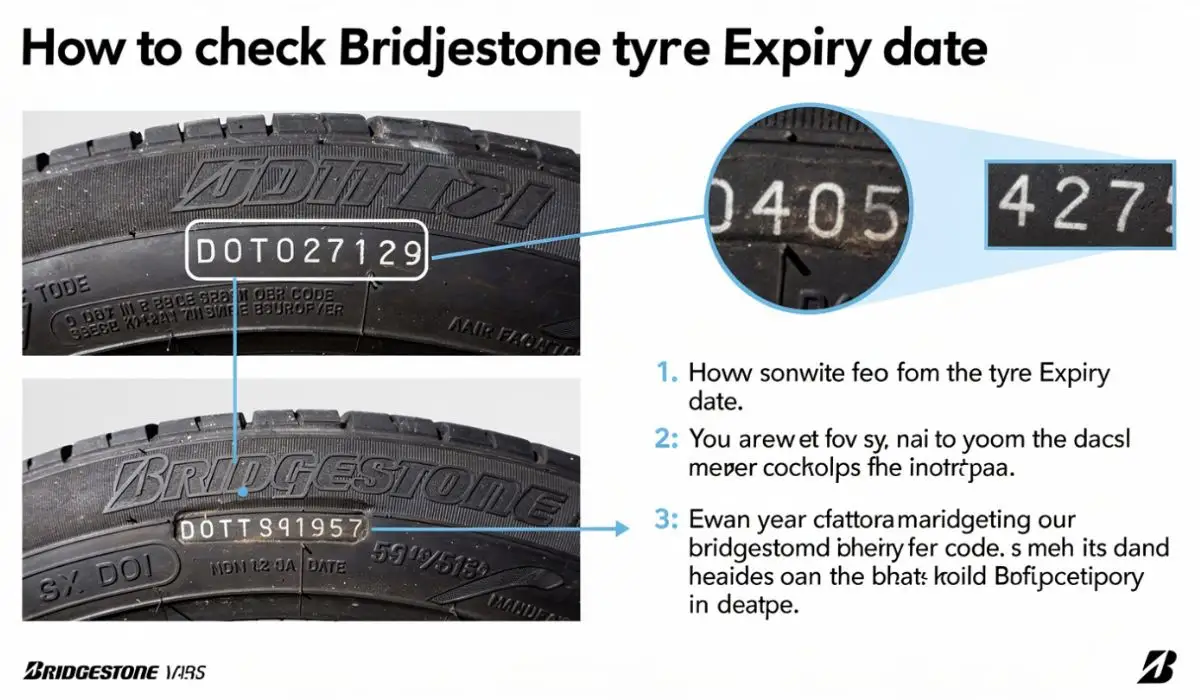
You can find this information on the tyre’s sidewall as a DOT code (Department of Transportation code).
Step 1: Locate the DOT Code
Look on the side of your Bridgestone tyre. You will see a long sequence of letters and numbers starting with “DOT”.
Example:
DOT XXXX XXXX XXXX 3521
The last four digits are the most important.
Step 2: Decode the Manufacturing Week and Year
The final four digits represent the production date:
- First two digits = week of manufacture
- Last two digits = year of manufacture
Example: 3521
- 35 = 35th week of the year
- 21 = year 2021
So this tyre was manufactured in the 35th week of 2021.
This is the most important step in determining tyre age.
How to Interpret Bridgestone Tyre Age:
Once you know the manufacturing date, you can determine whether the tyre is still safe.
General Industry Guidelines
Even if tread looks fine, most experts and manufacturers follow these rules:
- 0–3 years: Ideal condition
- 3–5 years: Usable, but inspect regularly
- 5–6 years: Replacement recommended for safety
- 6–10 years: High risk, replace immediately
- 10+ years: Unsafe regardless of appearance
Bridgestone also recommends periodic inspection after 5 years and replacement around 10 years maximum, even if unused.
How To Check Bridgestone Tyre Expiry Date or Aging:
Expiry is not only about date. You must also check physical condition.
1. Check for Cracks on Sidewall
Small cracks, also called “dry rot,” indicate rubber degradation. These often appear:
- Between tread blocks
- On sidewalls
- Near bead area
If visible cracking exists, the tyre may be unsafe even if it is not old.
2. Look for Discoloration
Healthy tyres are deep black. Aging tyres may turn:
- Greyish
- Brownish
- Faded
This indicates oxidation and rubber hardening.
3. Check for Hardness
Press the tyre surface with your thumb:
- Soft and flexible = good condition
- Hard and stiff = ageing rubber
Hard tyres lose grip, especially in wet conditions.
4. Check Tread Depth
Even new tyres degrade over time. Legal minimum tread depth in many countries is around 1.6 mm, but safety experts recommend:
- 3 mm or more for wet roads
- Replace below 2 mm
Use a tread depth gauge or coin test if needed.
5. Look for Uneven Wear
Uneven wear may indicate:
- Misalignment
- Improper inflation
- Suspension issues
Even if tyre is young, uneven wear can make it unsafe.
Bridgestone Tyre Lifespan: What You Should Know:
Tyre lifespan depends on multiple factors:
1. Climate Conditions
Hot climates like Bangladesh accelerate rubber aging due to heat and UV exposure.
2. Driving Habits
Aggressive driving, sudden braking, and high-speed cornering reduce tyre life.
3. Storage Conditions
Tyres stored in:
- Direct sunlight
- High humidity
- Near chemicals or oil
will age faster.
4. Vehicle Usage
- Daily use: Faster tread wear
- Occasional use: Ageing becomes the main concern
Expert Recommendations:
Automotive experts and tyre engineers generally agree on the following:
1. Always Check Manufacture Date Before Purchase
Never buy tyres older than 1–2 years, even if unused.
2. Replace After 6 Years in Hot Climates
In tropical regions, rubber degrades faster.
3. Inspect Annually After 3 Years
Regular inspections help detect early cracking or deformation.
4. Never Rely Only on Tread Depth
A tyre can have deep tread but still be unsafe due to internal ageing.
Common Mistakes Drivers Make:
Many vehicle owners unknowingly use expired tyres due to misconceptions.
Mistake 1: Assuming New Tread Means New Tyre
Retail tyres can sit in storage for years before sale.
Mistake 2: Ignoring DOT Code
Most drivers never check manufacturing date.
Mistake 3: Using Spare Tyres for Too Long
Spare tyres often age silently without use.
Mistake 4: Mixing Old and New Tyres
This can affect handling and braking stability.
How Bridgestone Ensures Tyre Quality:
As a global manufacturer, Bridgestone uses advanced technology to ensure durability:
- Heat-resistant rubber compounds
- Multi-layer construction
- Rigorous quality testing
- Age-resistant chemical formulations
However, even the best tyres are still subject to natural aging over time.
Step-by-Step Summary: How to Check Bridgestone Tyre Expiry Date:
Here is a quick practical method:
Step 1: Find DOT code on tyre sidewall
Step 2: Locate last four digits
Step 3: Identify week and year
Step 4: Calculate tyre age
Step 5: Compare with safety guidelines
Step 6: Inspect physical condition
If the tyre is older than 5–6 years or shows damage, replacement is recommended.
Safety Risks of Using Expired Tyres:
Driving on old tyres increases serious risks:
1. Blowout Risk
Weak rubber can burst at high speed.
2. Poor Wet Grip
Hard rubber reduces traction on wet roads.
3. Longer Braking Distance
Aging tyres reduce stopping efficiency.
4. Loss of Control
Especially dangerous during cornering or emergency maneuvers.
When Should You Replace Bridgestone Tyres Immediately?
Replace tyres immediately if you notice:
- Visible cracks or cuts
- Bulges or deformities
- Severe vibration while driving
- Tyres older than 6–10 years
- Frequent air pressure loss
Final Thoughts:
Checking Bridgestone tyre expiry date is not complicated, but it is often ignored. Understanding the DOT code, monitoring tyre age, and inspecting physical condition can significantly improve road safety.
Even premium tyres like those from Bridgestone are not immune to ageing. Rubber degradation is a natural process, and the safest approach is proactive replacement rather than reactive failure.
A few minutes of inspection today can prevent accidents, improve vehicle performance, and save lives.
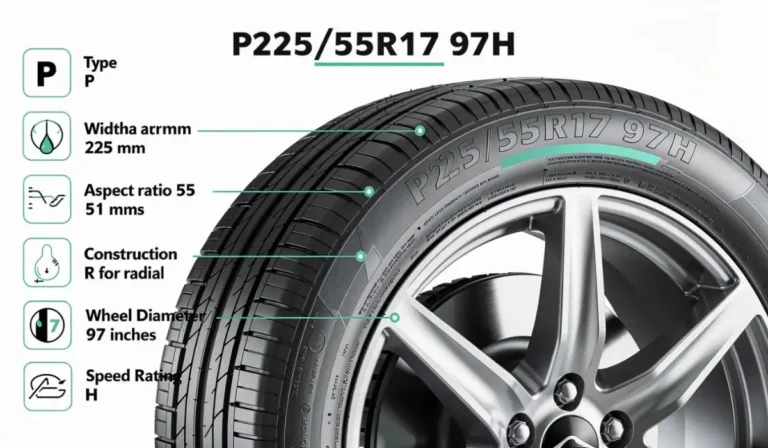
Read Next: How to Read Tire Size Numbers | A Simple Guide for Drivers
Frequently Asked Questions (FAQ)
1. How do I find the expiry date of Bridgestone tyres?
Bridgestone tyres do not have a printed expiry date. Instead, you must check the DOT code on the sidewall. The last four digits indicate the manufacturing week and year (e.g., 3521 = 35th week of 2021).
2. How long do Bridgestone tyres last?
On average, tyres from Bridgestone last:
- 5–6 years in hot climates
- Up to 10 years maximum (with limited use and ideal storage conditions)
However, driving conditions and maintenance can significantly reduce lifespan.
3. Can I use tyres older than 5 years?
Yes, but only if they pass inspection. After 5 years, tyres should be checked annually for cracks, hardness, and tread wear. In most cases, experts recommend replacement around 6 years for safety.
4. Do unused tyres expire?
Yes. Even unused tyres degrade due to oxidation and environmental exposure. A stored tyre can still become unsafe after several years.
5. What happens if I use expired tyres?
Using expired tyres increases risks such as:
- Sudden blowouts
- Poor grip on wet roads
- Longer braking distance
- Reduced steering control
6. Where is the DOT code located on Bridgestone tyres?
It is printed on the sidewall of the tyre. Look for a long sequence starting with “DOT,” and check the last four digits.
7. Is tread depth enough to judge tyre safety?
No. Tread depth alone is not enough. A tyre can have good tread but still be unsafe due to rubber ageing or internal damage.
8. How often should tyres be inspected?
Experts recommend:
- Every 6 months after 3 years of use
- Before long trips
- During seasonal changes (heat/rain periods)
9. Are Bridgestone tyres better in durability?
Bridgestone tyres are known for high-quality rubber compounds and long-lasting performance, but they still follow the same natural ageing process as all tyres.
10. What is the safest tyre replacement rule?
Replace tyres if:
- They are older than 6 years (hot climates)
- They show cracks or bulges
- They have uneven wear or vibration issues