What do the 3 numbers mean on tire size | Complete Expert Guide

If you’ve ever looked at the side of your tire, you’ve probably seen a code like 205/55R16 or 225/45R17 and wondered what it means. At first glance, it looks confusing—but these numbers are actually a precise system that tells you everything about your tire’s size, performance, and compatibility.
Understanding these three numbers is important because they directly affect:
- Safety and grip
- Fuel efficiency
- Ride comfort
- Speed accuracy
- Vehicle handling
In this guide, you’ll learn exactly what each number means, how they work together, and how to choose the right tire for your car with confidence.
What Are the 3 Numbers on a Tire?
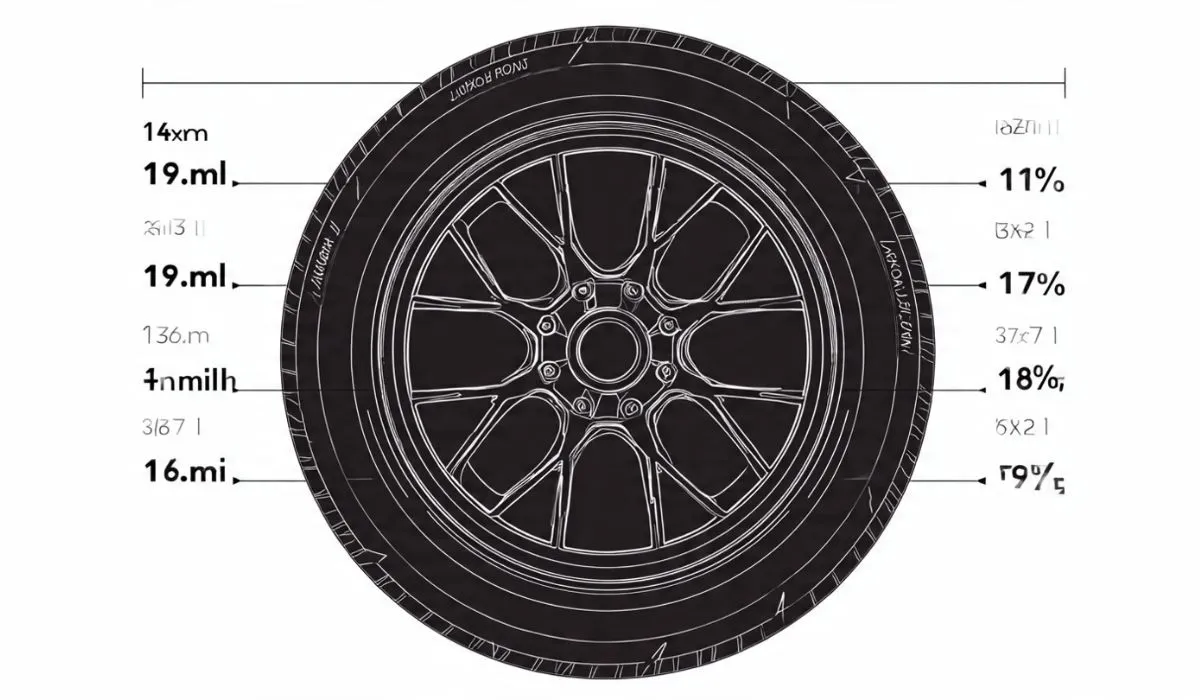
A typical tire size looks like this:
205/55R16
These three numbers represent:
- Tire width (205)
- Aspect ratio (55)
- Rim diameter (16)
Let’s break each one down in detail.
First Number: Tire Width (Example: 205)
What it means
The first number represents the width of the tire in millimeters from sidewall to sidewall.
So in 205/55R16:
- The tire is 205 mm wide
Why tire width matters
Tire width affects:
- Road grip
- Stability
- Fuel consumption
- Handling performance
Wider tires
Pros:
- Better grip
- Improved cornering
- Sporty handling
Cons:
- Lower fuel efficiency
- More road noise
- Higher cost
Narrower tires
Pros:
- Better fuel economy
- Improved performance in snow/rain
- Lower cost
Cons:
- Less grip at high speed
Read More: Symptoms Of A Bad Alternator With A New Battery | Warning Signs Explained
Second Number: Aspect Ratio (Example: 55)
What it means
The second number is the sidewall height as a percentage of tire width.
In 205/55R16:
- Sidewall height = 55% of 205 mm
Simple explanation
This does NOT mean 55 mm. It is a percentage ratio.
So:
- 55% of 205 mm = about 113 mm sidewall height
Why aspect ratio matters
Aspect ratio affects:
- Ride comfort
- Shock absorption
- Handling precision
High aspect ratio tires (e.g., 65, 70)
Pros:
- More comfort
- Better for rough roads
- Absorbs bumps well
Cons:
- Less sporty handling
- More tire flex
Low aspect ratio tires (e.g., 40, 45)
Pros:
- Better cornering
- Sporty feel
- Improved steering response
Cons:
- Rougher ride
- More prone to damage from potholes
Third Number: Rim Diameter (Example: 16):
What it means
The last number represents the wheel rim diameter in inches.
So in 205/55R16:
- The tire fits a 16-inch wheel
Important detail
This measurement is always in inches, unlike the first number which is in millimeters.
Why rim size matters
Rim size affects:
- Vehicle appearance
- Ride comfort
- Tire cost
- Performance handling
Smaller rims (e.g., 14–16 inches):
Pros:
- Comfortable ride
- Cheaper tires
- Better shock absorption
Cons:
- Less sporty look
- Slightly slower handling response
Larger rims (e.g., 17–22 inches):
Pros:
- Sporty appearance
- Better cornering stability
- Improved steering response
Cons:
- More expensive tires
- Rougher ride
- Higher risk of damage
Putting It All Together: 205/55R16 Explained:
Let’s break the full example:
205
Tire width = 205 mm
55
Sidewall height = 55% of tire width
R16
Fits a 16-inch rim
What Does the “R” Mean in Tire Size?
You may also notice a letter like R in the size.
Meaning of R
- R = Radial construction
Most modern tires are radial, meaning:
- Layers of tire cord run radially
- Better durability
- Improved road contact
Why Tire Size Matters for Safety?
Incorrect tire size can cause:
- Speedometer errors
- Poor handling
- Increased braking distance
- Tire rubbing on wheel arches
- Suspension damage
How Tire Size Affects Fuel Efficiency:
Wider tires
- More road resistance
- Higher fuel consumption
Narrower tires
- Less resistance
- Better mileage
Even small changes in tire size affect fuel economy.
How Tire Size Affects Speed and Acceleration:
Larger wheels
- Slightly slower acceleration
- Higher top-speed stability
Smaller wheels
- Faster acceleration
- Less stability at high speed
How to Read Tire Sidewall Correctly?
Besides the 3 main numbers, tires also show:
- Load index (e.g., 91)
- Speed rating (e.g., V, H, T)
- Manufacturing date (DOT code)
Example:
205/55R16 91V
Common Mistakes People Make With Tire Sizes:
Mistake 1: Ignoring manufacturer recommendation
Always follow your car manual.
Mistake 2: Choosing tire size based on looks only
Bigger rims may reduce comfort and safety.
Mistake 3: Mixing different tire sizes
This affects handling and braking balance.
Can You Change Tire Size?
Yes, but with caution
You can change tire size slightly if:
- Overall diameter remains similar
- Speedometer remains accurate
- Clearance is sufficient
Example safe upgrade
- From 205/55R16 → 215/50R17 (similar overall diameter)
What Happens If Tire Size Is Wrong?
Effects include:
- Speedometer inaccuracy
- ABS system errors
- Poor handling
- Increased tire wear
- Safety risks
Tire Size and Road Conditions:
Hot climates
- Wider tires may perform better on dry roads
Rainy climates
- Narrow tires help reduce hydroplaning risk
Rough roads
- Higher sidewall (aspect ratio) improves comfort
Expert Tips for Choosing Tire Size:
Tip 1: Always check manufacturer label
Usually found:
- Inside driver door
- Fuel cap area
- Owner’s manual
Tip 2: Consider driving style
- City driving → comfort tires
- Highway driving → performance tires
Tip 3: Don’t mix tire sizes
Keep all four tires consistent for safety.
Real-Life Example:
A driver upgrades from 205/65R15 to 225/40R18 for a sportier look. While the car looks better and handles sharper, they notice:
- Rough ride quality
- Higher fuel consumption
- Increased tire replacement cost
This shows how tire size impacts real-world driving experience.
FAQs:
What do the three numbers on tires mean?
They represent tire width, aspect ratio, and rim diameter.
Is a bigger tire size better?
Not always. It depends on comfort, fuel economy, and handling needs.
Can I change tire size on my car?
Yes, but only within manufacturer-approved limits.
What happens if I use wrong tire size?
It can affect safety, speed accuracy, and handling.
Does tire size affect fuel consumption?
Yes, wider and larger tires usually reduce fuel efficiency.
What does 205/55R16 mean?
205 mm width, 55% sidewall height, fits 16-inch rim.
Are bigger rims safer?
Not necessarily. They often reduce comfort and increase damage risk.