
Why Does My Check Engine light Come On And Off When Accelerating? Guide

If your check engine light comes on when you accelerate and then disappears when you slow down or drive normally, it can be confusing. This pattern often means your vehicle is detecting a problem that becomes noticeable under increased engine load.
Acceleration demands more fuel, air, ignition power, and engine performance. If a sensor, spark plug, ignition coil, fuel component, or another system is not working correctly, the engine computer may detect the problem during acceleration and trigger the warning light.
A check engine light that repeatedly comes on and off should not be ignored. Even if the vehicle seems to drive normally afterward, stored diagnostic trouble codes may provide valuable information about what is happening.
What Does It Mean When the Light Comes on During Acceleration?
When you accelerate, the engine has to work harder. Engine speed and load increase, and the vehicle’s computer adjusts fuel delivery and ignition timing accordingly.
If the check engine light appears specifically during acceleration, the problem may be related to an issue that becomes more apparent when the engine is under load.
Common Possibilities
Potential causes include:
- Worn or damaged spark plugs
- Weak ignition coils
- Engine misfires
- Fuel delivery problems
- Dirty or failing fuel injectors
- Faulty oxygen sensors
- Mass airflow sensor problems
- Vacuum or intake leaks
- Catalytic converter problems
- Throttle or acceleration-related sensor issues
The exact cause cannot be determined from the warning light alone. A diagnostic scan is usually necessary.
Engine Misfire Is a Common Possibility:
One of the first things to consider when a check engine light appears during acceleration is an engine misfire.
A misfire occurs when one or more cylinders fail to burn the air-fuel mixture properly.
Why Misfires Can Appear Under Load
During acceleration, the engine requires more power. A weak spark plug, ignition coil, or other ignition component may work adequately at idle but fail when the engine is under greater load.
You might notice:
- Hesitation during acceleration
- Shaking or vibration
- Reduced power
- Rough running
- Poor fuel economy
- A flashing check engine light
If the check engine light flashes while accelerating, take the situation seriously. A severe misfire can potentially damage the catalytic converter.
Worn Spark Plugs Can Cause the Problem
Spark plugs ignite the air-fuel mixture inside the engine cylinders.
As spark plugs wear, they can become less effective at producing a strong, consistent spark.
Why Acceleration Makes It More Noticeable
An engine under acceleration can place greater demands on the ignition system. A marginal spark plug may cause intermittent misfires when the engine is working harder.
Depending on the vehicle, symptoms may include hesitation, rough acceleration, reduced performance, or an intermittent check engine light.
Spark plug replacement intervals vary by vehicle, engine, and plug type, so check the manufacturer’s maintenance recommendations.
A Weak Ignition Coil May Be Responsible:
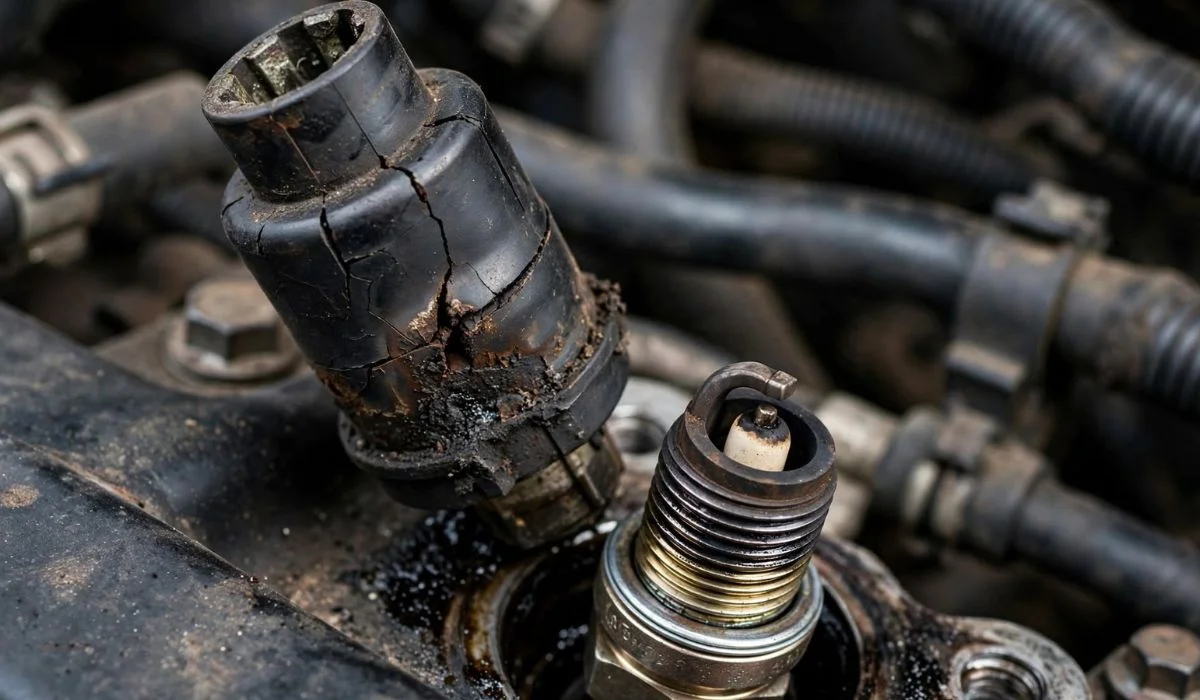
Ignition coils provide the electrical energy required to create a spark at the spark plugs.
A coil that is beginning to fail may produce intermittent symptoms.
Symptoms of an Ignition Problem
You may experience:
- Engine hesitation
- Misfires during acceleration
- Rough idle
- Reduced power
- Poor fuel economy
- Check engine light activation
A diagnostic scan can help identify whether a misfire has been detected and which cylinder may be involved.
Fuel Delivery Problems Can Appear During Acceleration:
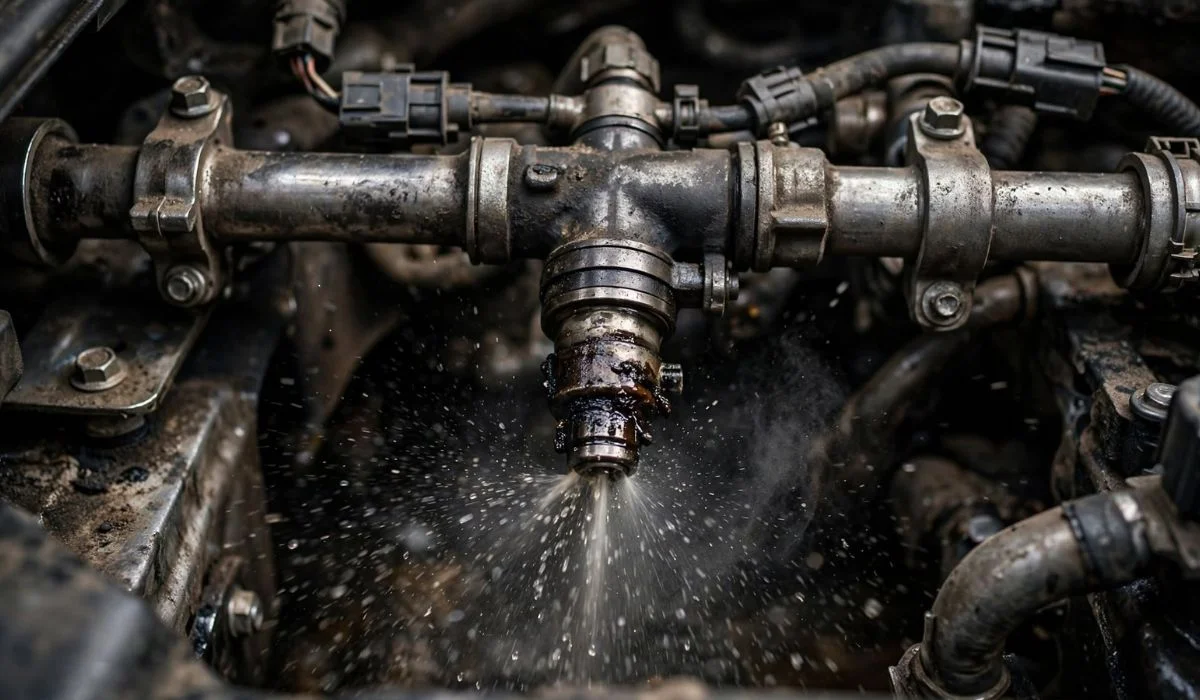
Acceleration requires additional fuel. If the fuel system cannot deliver enough fuel, the engine may hesitate or run poorly.
Possible Fuel-Related Causes
Potential issues include:
- Restricted fuel filter
- Weak fuel pump
- Dirty fuel injectors
- Fuel-pressure problems
- Poor fuel quality
- Electrical problems affecting fuel-system components
A technician may need to test fuel pressure and injector operation rather than simply replacing components.
Read next: What To Do When Your Car Is Smoking
A Dirty or Faulty Mass Airflow Sensor Can Trigger the Light
The mass airflow sensor measures the amount of air entering the engine.
The engine computer uses this information to help calculate fuel requirements.
Why Acceleration Matters
When you accelerate, airflow into the engine changes significantly. If the sensor provides inaccurate readings, the engine may not receive the appropriate fuel mixture.
Possible symptoms include hesitation, rough running, poor acceleration, reduced fuel economy, and a check engine light.
However, a diagnostic code associated with the airflow system does not automatically mean the sensor itself needs replacement.
An Intake or Vacuum Leak May Be the Cause
An air leak in the intake system can affect the engine’s air-fuel mixture.
Some leaks are more noticeable under certain operating conditions than others.
Look for Related Symptoms
An intake or vacuum leak may contribute to:
- Rough idle
- Hissing sounds
- Poor acceleration
- Engine hesitation
- Unusual fuel consumption
- Check engine light activation
Proper diagnosis may involve inspecting hoses, connections, intake components, and other parts of the air-intake system.
Oxygen Sensor Problems Can Trigger Intermittent Warnings
Oxygen sensors monitor oxygen levels in the exhaust and provide information to the engine management system.
If a sensor is aging or malfunctioning, the engine computer may detect readings outside the expected range.
Don’t Automatically Replace the Sensor
An oxygen-sensor-related diagnostic code does not always prove that the oxygen sensor itself is defective.
Exhaust leaks, fuel-mixture problems, wiring issues, and other faults can sometimes contribute to related codes.
A proper diagnosis should identify the underlying cause.
A Catalytic Converter Problem May Also Be Involved
The catalytic converter helps reduce certain pollutants in vehicle exhaust.
A failing or restricted catalytic converter can cause reduced engine performance and may trigger diagnostic warnings.
Acceleration Can Reveal Exhaust Restrictions
If the exhaust system is restricted, the vehicle may struggle more when you demand additional power.
Possible symptoms include:
- Poor acceleration
- Reduced engine power
- Poor fuel economy
- Unusual exhaust behavior
- Check engine light
Because catalytic converter replacement can be expensive, proper diagnosis is particularly important.
Why Does the Light Turn Off Again?
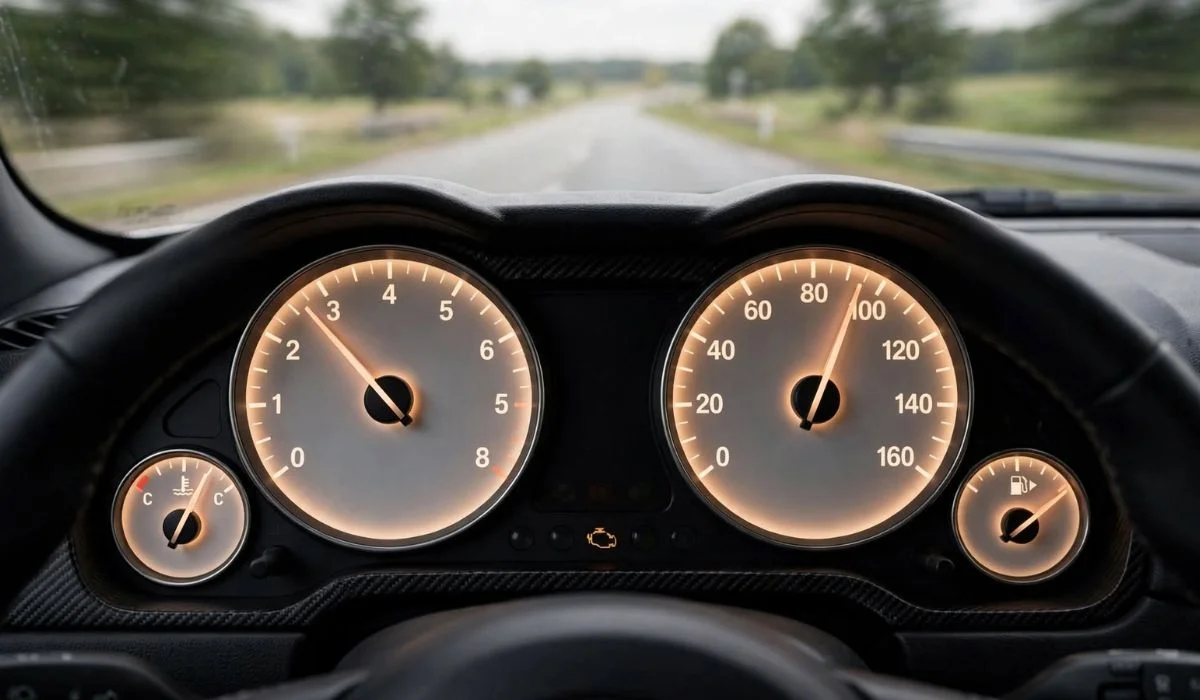
If the light disappears after you stop accelerating, the vehicle may have detected an intermittent condition.
The engine computer continuously monitors various systems. A fault may occur only under particular operating conditions.
The Problem May Still Be Stored
Even if the light turns off, a diagnostic trouble code may remain stored or pending in the vehicle’s computer.
This information can help a technician identify what happened.
That’s why repeatedly ignoring an intermittent check engine light isn’t a good idea.
Is It Safe to Keep Driving?
Safety depends heavily on how the vehicle behaves and whether the light is steady or flashing.
A Steady Light With Normal Driving
If the light is steady and the car drives normally, you may be able to drive cautiously to a repair facility for diagnosis.
Avoid unnecessarily hard acceleration until the problem has been checked.
A Flashing Light During Acceleration
A flashing check engine light is much more concerning, particularly if the vehicle is shaking, losing power, or running roughly.
A flashing light can indicate a severe misfire capable of damaging the catalytic converter.
If this happens, reduce driving and stop somewhere safe. Consider professional roadside assistance rather than continuing to drive normally.
What Should You Check First?
You don’t necessarily need to start replacing parts.
Start With a Diagnostic Scan
An OBD-II scanner can retrieve diagnostic trouble codes from the vehicle’s computer.
The code can provide a starting point for diagnosis.
For example, the vehicle may record a misfire code, an air-fuel mixture-related code, or another system fault.
Check Recent Maintenance
Think about whether the problem started after:
- A recent repair
- Spark plug replacement
- Battery replacement
- Fuel-system work
- Air filter replacement
- Engine maintenance
- Refueling
Recent work can sometimes provide useful clues.
Don’t Clear the Check Engine Light Without Finding the Cause:
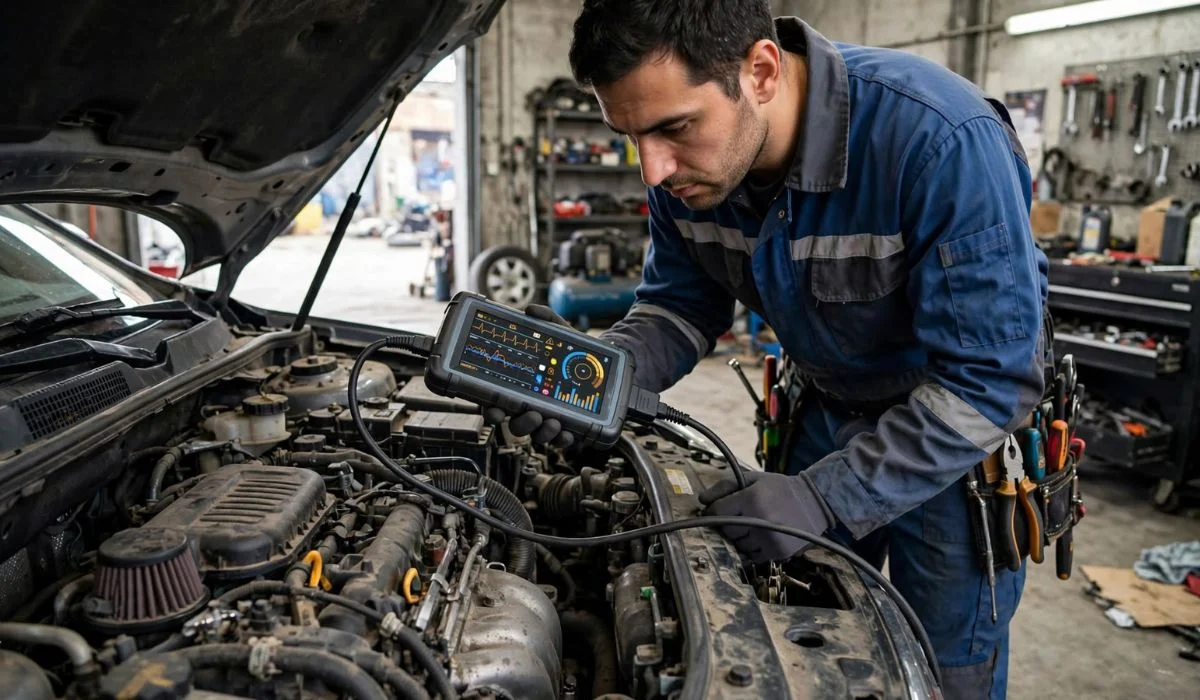
Resetting the warning light may make it disappear temporarily, but it doesn’t repair the underlying problem.
If the fault is still present, the light may return.
Why Clearing Codes Can Make Diagnosis Harder
Diagnostic information can help a technician understand when and under what conditions the fault occurred.
Clearing codes before diagnosis can remove useful information and reset certain monitoring data.
It’s generally better to diagnose first and clear codes after the underlying issue has been addressed.
When Should You See a Mechanic?
Make an appointment for diagnosis if the check engine light repeatedly comes on during acceleration, even if it later turns off.
Professional diagnosis becomes especially important if you notice:
- Repeated hesitation
- Engine shaking
- Loss of power
- Poor fuel economy
- Difficult starting
- Unusual exhaust smells
- Rough idling
- Flashing check engine light
The sooner the underlying problem is identified, the easier it may be to prevent additional damage.
A Quick Troubleshooting Checklist
If your check engine light comes on and off while accelerating, follow this basic checklist:
1. Observe the light. Is it steady or flashing?
2. Notice the symptoms. Does the engine shake, hesitate, or lose power?
3. Avoid hard acceleration. Until the cause is known, reduce unnecessary engine load.
4. Check the fuel cap. Make sure it is properly secured.
5. Scan for diagnostic trouble codes. Use an OBD-II scanner or have a repair shop perform the scan.
6. Don’t replace parts based only on the code. The underlying cause needs to be confirmed.
7. Get professional diagnosis if the problem continues. Especially if the warning repeatedly appears under acceleration.
Final Thoughts
When your check engine light comes on and off during acceleration, the pattern can indicate a problem that becomes apparent when the engine is under increased load. Ignition problems such as worn spark plugs or weak coils are common possibilities, but fuel delivery, airflow, sensors, exhaust components, and other systems can also be involved.
A steady warning light with no other symptoms may allow you to drive cautiously to have the vehicle diagnosed. However, a flashing check engine light or serious symptoms such as shaking, major power loss, or overheating should be treated as an urgent warning.
The best approach is to retrieve the vehicle’s diagnostic trouble codes and use them as a starting point for proper diagnosis rather than guessing which part needs replacement.
FAQs
Why does my check engine light only come on when I accelerate?
Acceleration increases engine load and changes fuel, airflow, and ignition requirements. A problem with the ignition, fuel, airflow, or emissions system may therefore become detectable only during acceleration.
Why does my check engine light come on and then go off?
The vehicle may be experiencing an intermittent fault. If the computer no longer detects the problem during later driving conditions, the warning light may turn off, although diagnostic information may remain stored.
Can bad spark plugs cause the check engine light to come on when accelerating?
Yes. Worn or damaged spark plugs can contribute to engine misfires, which may become more noticeable when the engine is under load during acceleration.
Can a bad ignition coil cause an intermittent check engine light?
Yes. A weak ignition coil may work intermittently and cause misfires under certain conditions, including acceleration.
Why does my car shake when I accelerate and the check engine light comes on?
Shaking during acceleration can be consistent with an engine misfire, although other mechanical problems can also cause vibration. A diagnostic scan is recommended.
Is it safe to drive if the check engine light comes on during acceleration?
If the light is steady and the vehicle operates normally, cautious driving to a repair facility may be possible. If the light flashes or the vehicle shakes, loses significant power, overheats, or behaves abnormally, stop driving when safe and seek professional assistance.
Can low fuel cause the check engine light to come on?
Running very low on fuel can sometimes contribute to engine performance problems, but a check engine light should not automatically be attributed to low fuel. A diagnostic scan can identify whether a fault code has been stored.
Can a bad fuel pump cause the check engine light to come on during acceleration?
A fuel pump that cannot maintain adequate fuel pressure may cause hesitation or poor acceleration and can contribute to engine-management faults. Proper fuel-pressure testing is needed to confirm the cause.
Should I reset the check engine light?
It is better to diagnose the problem before resetting the light. Clearing the code does not repair the fault and can remove useful diagnostic information.
What is the fastest way to find out why the light comes on?
The most practical first step is to retrieve the diagnostic trouble codes with an OBD-II scanner. The codes provide clues, but additional testing may be necessary to identify the actual cause.