
What To Use To Clean Inside Of Car Dashboard At Home? Guide

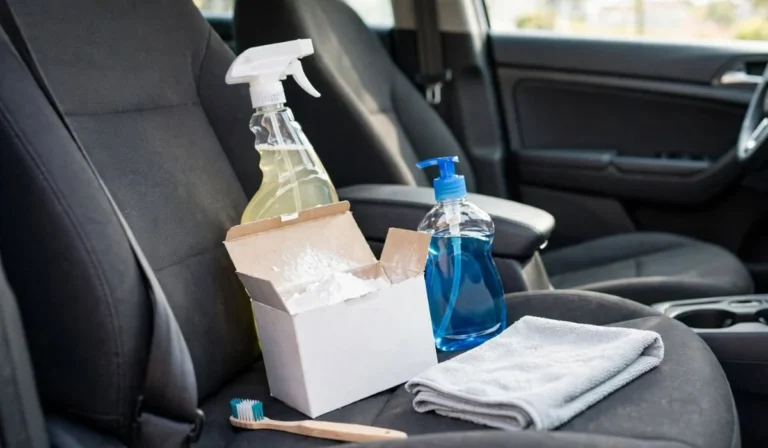
Cleaning your car dashboard at home doesn’t require expensive detailing products. With a few simple supplies, you can remove dust, fingerprints, dirt, and light grime while keeping the dashboard looking clean and well maintained.
The safest approach is usually to start with a clean microfiber cloth and use a small amount of mild interior cleaner when necessary. Different dashboard surfaces can have different finishes, including textured plastic, soft-touch materials, vinyl, leather, and coated surfaces, so it’s important to avoid harsh household chemicals.
A good dashboard cleaning routine should remove dirt without leaving a greasy residue or creating an overly shiny surface that can reflect sunlight into the windshield.
What Can You Use to Clean a Car Dashboard?

For routine dashboard cleaning, you can use:
- Microfiber cloths
- Clean water
- Mild automotive interior cleaner
- Diluted mild soap solution
- Soft detailing brush
- Vacuum cleaner with a brush attachment
- Cotton swabs for small areas
- Dry microfiber towel
For most dusty dashboards, you can start with a dry microfiber cloth before introducing any liquid.
Why Microfiber Is a Good Choice
Microfiber cloths are soft and effective at picking up dust and loose dirt without being as abrasive as rough towels or paper products.
Use a clean cloth rather than one that contains grit from previous cleaning jobs.
For delicate or glossy surfaces, use gentle pressure to reduce the risk of creating fine scratches.
Start by Removing Loose Dust
Before using a cleaner, remove as much loose dust and debris as possible.
Use a Dry Microfiber Cloth
Lightly wipe the dashboard with a clean, dry microfiber cloth.
Work from the top of the dashboard toward the lower areas so dust doesn’t fall onto sections you’ve already cleaned.
For textured surfaces, gently move the cloth across the surface instead of aggressively scrubbing.
Use a Soft Detailing Brush
A soft brush can help remove dust from:
- Air vents
- Dashboard seams
- Buttons
- Instrument-panel edges
- Speaker grilles
- Small gaps
Follow the brush with a microfiber cloth or vacuum to collect loosened dust.
Use a Mild Interior Cleaner for Stubborn Dirt
If water and a microfiber cloth aren’t enough, use a cleaner designed specifically for automotive interiors.
Spray the Cleaner Onto the Cloth
Instead of spraying a large amount directly onto the dashboard, apply a small amount of cleaner to the microfiber cloth when appropriate.
This gives you better control over how much moisture reaches the surface.
It can also help prevent liquid from getting into buttons, vents, electrical components, or instrument-panel openings.
Work in Small Sections
Clean one section at a time.
Wipe gently and then use a separate dry microfiber cloth to remove remaining moisture or residue.
This method can help prevent streaks and uneven finishes.
Can You Use Soap and Water?
A mild soap-and-water solution can sometimes be useful for certain dashboard materials, particularly when dealing with light grime.
However, don’t assume every dashboard material reacts the same way.
Keep the Solution Mild
Use only a small amount of mild soap with water.
The goal is to create a lightly cleaning solution rather than a heavily concentrated mixture.
Apply it to a microfiber cloth rather than soaking the dashboard.
After cleaning, wipe away any remaining soap with a clean, slightly damp cloth and then dry the surface.
Read next: How To Read Tire Sizes In Inches | A Simple Guide
Avoid Household Cleaners With Harsh Ingredients
Some household cleaning products may be too aggressive for automotive interior materials.
Avoid Using Strong Chemicals
Be cautious with products containing:
- Bleach
- Strong solvents
- Ammonia
- Abrasive ingredients
- Heavy degreasers
These products can potentially discolor, dry out, stain, or otherwise damage certain interior surfaces.
Always check the vehicle manufacturer’s recommendations and the cleaner’s label before use.
Don’t Make the Dashboard Too Shiny
A glossy dashboard may look attractive to some people, but excessive shine isn’t always desirable.
Why a Greasy Finish Can Be a Problem
A heavily oily or silicone-rich product can leave residue that attracts dust.
It can also create unwanted reflections on the windshield, potentially affecting visibility in bright conditions.
For everyday cleaning, a clean matte or factory-like finish is often preferable.
How to Clean a Textured Plastic Dashboard
Textured plastic dashboards can trap dust in their small grooves.
Use a Soft Brush for the Texture
Start with a dry microfiber cloth.
If dust remains inside the texture, gently use a soft detailing brush to loosen it.
For more stubborn dirt, use a small amount of suitable interior cleaner on a microfiber cloth or brush.
Avoid excessive moisture.
How to Clean a Vinyl Dashboard:
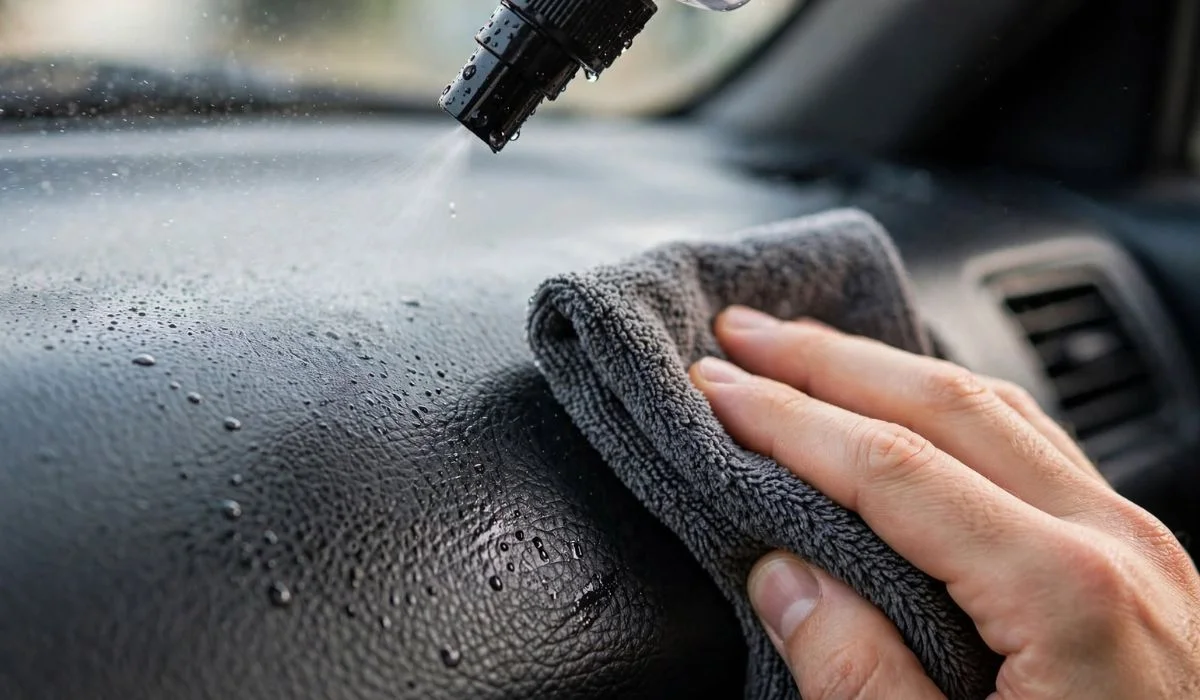
Vinyl dashboards can usually be cleaned with a microfiber cloth and a suitable automotive interior cleaner.
Don’t Soak Vinyl Surfaces
Too much liquid isn’t necessary.
Lightly dampen the cloth and wipe the surface gently.
Follow with a dry microfiber towel to remove moisture and residue.
How to Clean a Leather Dashboard
Some vehicles use leather or leather-like materials on portions of the dashboard.
Use a Leather-Safe Product
If the dashboard is genuine leather, use a cleaner specifically labeled as safe for automotive leather.
Do not automatically use a general plastic or glass cleaner.
Leather may require different cleaning and conditioning products depending on its finish.
How to Clean the Dashboard Without Leaving Streaks
Streaks are often caused by excessive product, dirty cloths, or insufficient drying.
Use Less Product
More cleaner doesn’t necessarily mean better cleaning.
Apply a small amount and spread it evenly.
Then buff the surface lightly with a clean, dry microfiber towel.
Use Multiple Clean Cloths
One cloth can collect dirt quickly.
If you continue using a heavily soiled cloth, you may simply redistribute the grime.
Having several clean microfiber cloths makes the process easier.
How to Clean Around Dashboard Buttons
Buttons and switches require extra care.
Don’t Flood Electrical Areas
Avoid spraying liquid directly around:
- Start buttons
- Steering-wheel controls
- Dashboard switches
- Instrument clusters
- Air vents
- Electrical openings
Instead, put a small amount of cleaner on a cloth or cotton swab and carefully clean around the area.
How to Clean Air Vents
Air vents are dust magnets.
Use a Soft Brush
A small, soft detailing brush works well for loosening dust from the vent slats.
You can then use a microfiber cloth to pick up the loosened particles.
A vacuum with a soft brush attachment can also help remove dust without pushing it deeper into the vents.
Can You Use Vinegar on a Car Dashboard?
Vinegar is a common household cleaning ingredient, but it isn’t necessarily the best choice for every automotive dashboard.
Why Automotive-Safe Products Are Often Better
Dashboard materials can vary significantly between vehicles.
A product designed specifically for automotive interiors is generally a safer choice than experimenting with household acids or other cleaners, particularly on sensitive finishes.
If you are considering any homemade cleaner, test it on a small, inconspicuous area first and check your vehicle manufacturer’s recommendations.
Can You Use Glass Cleaner on the Dashboard?
Glass cleaner should not automatically be considered a dashboard cleaner.
Some glass-cleaning formulas may contain ingredients that aren’t appropriate for certain dashboard materials.
Use the Correct Product for the Surface
Use glass cleaner for appropriate glass surfaces and an automotive interior cleaner for dashboard materials unless the product specifically states that it is safe for both.
This simple distinction can help prevent unwanted damage.
Can You Use Baby Wipes?
Some people use baby wipes for quick interior cleaning, but they aren’t universally appropriate for every dashboard material.
Check the Ingredients
A wipe may contain moisturizers, fragrances, preservatives, or other ingredients that can leave residue.
For regular dashboard maintenance, a clean microfiber cloth and an appropriate automotive interior product are generally more predictable choices.
A Simple Homemade Dashboard Cleaning Method
If you want a simple at-home method, start with the least aggressive option.
Step 1: Remove Dust
Use a dry microfiber cloth or a soft brush.
Step 2: Prepare a Mild Solution
Mix a small amount of mild soap with water.
Don’t make the solution heavily concentrated.
Step 3: Dampen the Cloth
Dip the microfiber cloth into the solution and wring it out thoroughly.
The cloth should be damp rather than dripping wet.
Step 4: Wipe the Dashboard
Gently wipe a small section at a time.
Step 5: Remove Residue
Use another microfiber cloth lightly dampened with clean water if necessary.
Step 6: Dry the Surface
Finish with a clean, dry microfiber towel.
What Not to Use on a Car Dashboard
Avoid cleaning the dashboard with products that can be overly aggressive or abrasive.
Don’t use:
- Rough scrub pads
- Steel wool
- Bleach
- Strong solvents
- Abrasive powders
- Excessive water
- Heavy household degreasers
- Unverified chemicals
A dashboard doesn’t need aggressive scrubbing to look clean.
How Often Should You Clean Your Dashboard?
For most vehicles, light dusting once a week or every couple of weeks can help keep the dashboard clean.
Deep Cleaning
A more thorough interior cleaning can be done when you notice visible grime, fingerprints, stains, or accumulated dust.
How frequently you need to clean depends on how often you drive, whether you keep the windows open, the environment around the vehicle, and how much dust enters the cabin.
How to Protect the Dashboard After Cleaning
Cleaning is only part of dashboard care.
Limit Direct Sun Exposure When Possible
Long-term exposure to sunlight and heat can contribute to aging and deterioration of some interior materials.
Parking in a garage or shaded location when practical can help reduce exposure.
A properly fitted windshield sunshade can also reduce heat and direct sunlight entering the cabin when the vehicle is parked.
Best Simple Dashboard Cleaning Routine
If you want a straightforward routine, use this approach:
1. Vacuum loose dust.
2. Wipe the dashboard with a dry microfiber cloth.
3. Use a soft brush around vents and seams.
4. Apply a small amount of automotive interior cleaner to a microfiber cloth if needed.
5. Wipe gently in small sections.
6. Use a clean microfiber towel to remove residue.
7. Check the dashboard for streaks or remaining dirt.
This method is simple, inexpensive, and suitable for regular interior maintenance.
Final Thoughts
You don’t need a complicated collection of cleaning products to clean your car dashboard at home. A few clean microfiber cloths, a soft detailing brush, and a suitable automotive interior cleaner can handle most everyday dust and grime.
Start with the gentlest method possible. Remove loose dust first, then use a small amount of appropriate cleaner when necessary. Avoid soaking the dashboard or spraying liquid directly around electrical controls, vents, and instrument-panel openings.
Most importantly, identify the dashboard material before using a product. Plastic, vinyl, leather, and specialty finishes can have different care requirements. When in doubt, follow your vehicle manufacturer’s recommendations and test a cleaner on an inconspicuous area first.
FAQs
What is the best thing to use to clean a car dashboard?
A clean microfiber cloth is an excellent starting point for routine dashboard cleaning. For stubborn dirt, use a mild automotive interior cleaner that is compatible with the dashboard material.
Can I clean my dashboard with just water?
Yes, for light dust and dirt, a slightly damp microfiber cloth can often be enough. Avoid soaking the dashboard, especially around electrical controls and openings.
Can I use dish soap to clean my dashboard?
A very mild, diluted soap solution may work for some dashboard materials, but an automotive interior cleaner is generally a better choice because it is formulated for vehicle surfaces.
Can I use vinegar to clean my car dashboard?
It’s better not to use vinegar routinely unless the product or vehicle manufacturer specifically indicates that it is suitable for the surface. Dashboard materials and finishes vary.
Can I use Windex on my dashboard?
Don’t assume glass cleaner is safe for every dashboard material. Use a product specifically designed for automotive interiors unless the cleaner’s label confirms compatibility.
How do I clean a dusty dashboard?
Start with a dry microfiber cloth. Use a soft detailing brush around vents and textured areas, then wipe away the loosened dust with another clean microfiber cloth.
How do I make my dashboard look new?
Clean it thoroughly with appropriate products and finish with a clean microfiber towel. Avoid excessive glossy or oily dressings, which can attract dust and create windshield reflections.
How do I clean sticky dashboard residue?
Use a suitable automotive interior cleaner and a microfiber cloth, working gently in small areas. For stubborn residue, follow the cleaner manufacturer’s instructions and test the product on an inconspicuous area first.
Can I use baby wipes on my dashboard?
Some baby wipes may work for quick cleaning, but their ingredients can leave residue or may not be suitable for every dashboard finish. A microfiber cloth and automotive interior cleaner are generally preferable.
How often should I clean my car dashboard?
Light dusting can be done weekly or every few weeks. A deeper cleaning is appropriate whenever visible grime, fingerprints, or accumulated dust becomes noticeable.
Should I spray cleaner directly on the dashboard?
It’s generally safer to apply a small amount of cleaner to a microfiber cloth rather than heavily spraying the dashboard. This helps control moisture and reduces the chance of liquid entering electrical components or vents.