Can You Replace Just The Rubber On Wiper Blades? What to Know

Can You Replace Just The Rubber On Wiper Blades?
Yes—you can often replace just the rubber insert on windshield wiper blades, but it depends on the type of wiper system your car uses. In many cases, this is a cheaper and more environmentally friendly option than replacing the entire blade. However, it’s not always the best choice for safety, performance, or long-term durability.
Modern wiper systems vary widely across vehicles like Toyota Corolla, Honda Civic, and Ford Focus, so understanding when rubber-only replacement works—and when it doesn’t—is important.
This detailed guide explains everything you need to know: how wiper blades are built, whether rubber replacement is possible, step-by-step installation, advantages, disadvantages, and expert recommendations.
How Wiper Blades Are Built:
To understand whether you can replace only the rubber, you first need to know how wiper blades are designed.
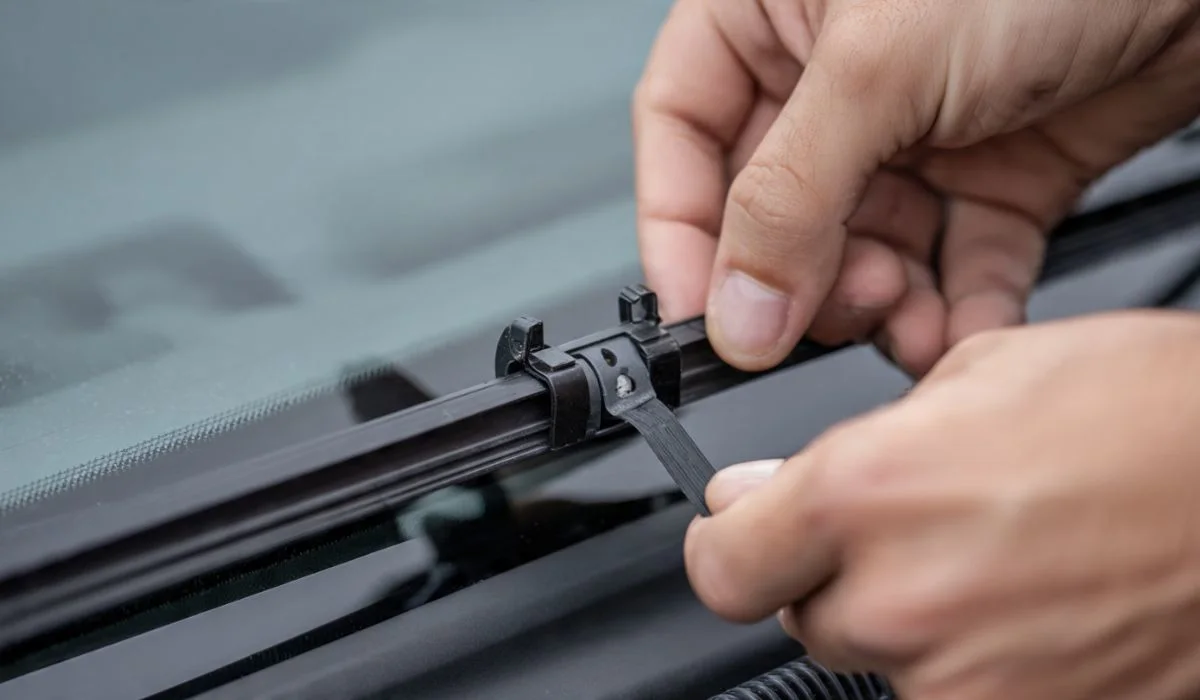
A typical wiper blade has three main parts:
- Metal or plastic frame (spine)
- Holds structure and pressure
- Distributes force evenly across windshield
- Rubber wiping element (blade insert)
- The part that actually touches glass
- Removes rain, dirt, and debris
- Attachment adapter
- Connects blade to wiper arm
In traditional wiper systems, the rubber strip is separate and can slide out of the frame. In newer “beam-style” wipers, everything is often sealed together.
Can You Replace Just the Rubber? The Short Answer:
Yes, but only in certain cases.
You can replace only the rubber if:
- Your wiper frame is reusable
- The rubber insert is removable
- The blade is not sealed or beam-style
- Replacement rubber strips are available
You usually cannot replace only the rubber if:
- You have modern beam wipers
- The blade is fully sealed
- The rubber is molded into the frame
- The manufacturer doesn’t offer inserts
Types of Wiper Blades and Rubber Replacement Compatibility:
1. Conventional (Frame-Type) Wipers
These are the most common older-style wipers.
- Metal frame with multiple pressure points
Rubber strip slides into frame channels
Easy rubber replacement possible
These are the best candidates for rubber-only replacement.
2. Beam Wipers (Modern Style)
Found on newer vehicles, including many trims of Toyota Camry and SUVs.
One-piece curved design
No exposed frame
Even pressure across windshield
Rubber is usually not designed to be replaced separately
Entire blade replacement recommended
3. Hybrid Wipers
A mix between frame and beam styles.
Partial frame with aerodynamic cover
Some models allow rubber replacement
Compatibility varies by brand
Why Some Drivers Replace Only Rubber Inserts:
The main reason is cost.
Replacing rubber strips is:
- Cheaper than full blades
- More environmentally friendly
- Quick when supported by the design
A full wiper blade set might cost significantly more, while rubber refills are inexpensive.
Benefits of Replacing Only the Rubber:
1. Cost Savings
You only pay for the rubber strip, not the entire assembly.
2. Less Waste
You reuse the metal or plastic frame instead of discarding it.
3. Quick Maintenance
Once you learn the process, replacement takes just minutes.
4. Eco-Friendly Option
Reduces plastic and metal waste in landfills.
Downsides of Rubber-Only Replacement:
While attractive, this option has limitations:
1. Frame Wear Is Ignored
If the frame is bent or weak, new rubber won’t perform well.
2. Uneven Pressure
Old frames may not press rubber evenly on the glass.
3. Compatibility Issues
Not all rubber refills fit properly.
4. Shorter Lifespan
Old frames reduce wiping efficiency even with new rubber.
Signs You Only Need Rubber Replacement:
You may only need rubber if:
- Frame is straight and not rusted
- Wipers chatter but structure is intact
- Rubber is cracked or hardened
- Blade still presses evenly on glass
If the frame is damaged, replace the entire blade.
Signs You Need Full Wiper Blade Replacement:
Replace the entire unit if you notice:
- Bent or rusty frame
- Streaking even after cleaning
- Loose attachment to wiper arm
- Skipping across windshield
- Uneven pressure or gaps
Read Next: How To Jump Start A Car With A Battery Pack Safely and Quickly
Step-by-Step: How to Replace Just the Rubber Insert
Step 1: Lift the Wiper Arm
Carefully lift it away from the windshield until it locks in an upright position.
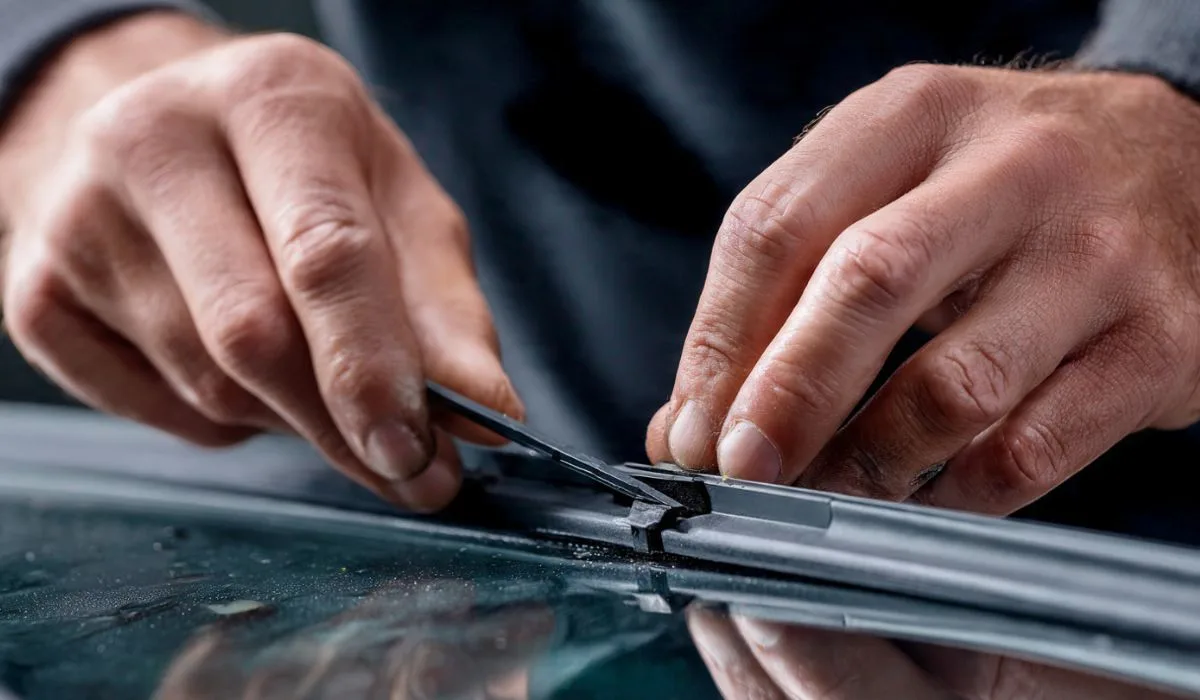
Step 2: Remove the Old Rubber Strip
Most conventional wipers have a locking tab or end cap.
- Slide rubber out from frame
- Note how it is installed
- Remove carefully to avoid bending frame
Step 3: Cut New Rubber to Size (If Needed)
Some replacement strips come in universal lengths.
- Measure old rubber
- Trim new strip if required
Step 4: Insert New Rubber
Slide the new strip into the same channel:
- Ensure correct orientation
- Make sure grooves align
- Push until fully seated
Step 5: Reattach and Test
Lower the wiper arm gently and test with washer fluid.
Check for:
- Smooth wiping
- No streaks
- No skipping
How Often Should Wiper Rubber Be Replaced?
General guideline:
- Every 6–12 months in normal climates
- Every 3–6 months in hot or dusty environments
- Immediately if performance drops
UV rays, heat, and dust degrade rubber faster than time alone.
What Affects Wiper Rubber Lifespan?
1. Sunlight (UV Damage)
Breaks down rubber, causing cracking.
2. Heat
Speeds up drying and hardening.
3. Dust and Dirt
Abrasive particles wear edges.
4. Ice and Snow
Can tear or deform rubber edges.
5. Dry Wiping
Using wipers on a dry windshield causes rapid wear.
Rubber vs Full Blade Replacement: Which Is Better?
Rubber Replacement is best when:
- Frame is in excellent condition
- You want to save money
- You can find compatible refills
Full Blade Replacement is best when:
- Using modern beam wipers
- Frame is worn or damaged
- You want maximum performance and safety
Expert Recommendation:
Most automotive experts recommend replacing the entire blade for modern vehicles, especially newer models like Hyundai Elantra or Nissan Altima.
Why?
- Better pressure distribution
- Improved safety in heavy rain
- Longer lifespan overall
- Easier installation
Rubber-only replacement is still useful for older vehicles or budget maintenance.
Common Mistakes to Avoid:
- Installing wrong-size rubber
- Reusing damaged frames
- Mixing old and new blades
- Ignoring streaks after replacement
- Not cleaning windshield before testing
How to Make Wipers Last Longer:
- Clean blades regularly
- Wash windshield frequently
- Avoid dry wiping
- Park in shade when possible
- Lift wipers during snow/ice
Final Thoughts:
Yes—you can replace just the rubber on some wiper blades, especially older or conventional designs. It’s a cost-effective option if the frame is still in good condition. However, with modern beam-style wipers used on most newer cars, full blade replacement is usually the better and safer choice.
If your goal is clear visibility in rain and long-term reliability, choose based on condition, not just cost. Good wipers are a small investment that directly affects driving safety.
FAQs:
1. Can I replace just the rubber on all wiper blades?
No. Only some conventional (frame-type) wipers allow rubber-only replacement. Most modern beam-style wipers require full blade replacement.
2. Is replacing only the rubber worth it?
It can be, if the frame is in good condition. It saves money and reduces waste, but performance depends heavily on the condition of the old frame.
3. How do I know if my wiper blades support rubber replacement?
If the rubber strip can slide out of a visible metal or plastic frame channel, it’s usually replaceable. Sealed or one-piece designs are not.
4. How often should wiper rubber be replaced?
Typically every 6–12 months, or sooner if you notice streaking, skipping, or noise while wiping.
5. What happens if I replace the rubber but keep a worn frame?
You may still get poor performance like uneven wiping, streaks, or missed areas because the frame may not apply even pressure.
6. Is it better to replace the whole blade instead?
For modern vehicles, yes. Full blade replacement usually provides better performance, safety, and durability.
7. Can I install universal rubber refills on any car?
Not always. Rubber inserts must match the blade design and size, otherwise they may not fit or function properly.
8. What are signs I should replace the entire wiper blade instead of just the rubber?
Bent frames, rust, loose joints, uneven wiping, or persistent streaks even after rubber replacement all indicate full replacement is needed.