How to Do Basic Car Maintenance: A Beginner-Friendly Guide

Regular car maintenance is one of the most effective ways to keep a vehicle reliable, safe, and efficient. You do not need to be an experienced mechanic to handle many essential maintenance tasks. Simple activities such as checking engine oil, inspecting tires, monitoring fluid levels, and replacing air filters can help prevent common problems and reduce unnecessary repair expenses.
Whether you drive a sedan, SUV, hatchback, or pickup truck, understanding basic car maintenance gives you greater control over your vehicle’s condition. It also helps you recognize early warning signs before minor issues turn into expensive mechanical failures.
This guide explains how to maintain a car step by step, which tools you need, how frequently to perform essential checks, and when professional assistance is necessary.
Why Basic Car Maintenance Matters?
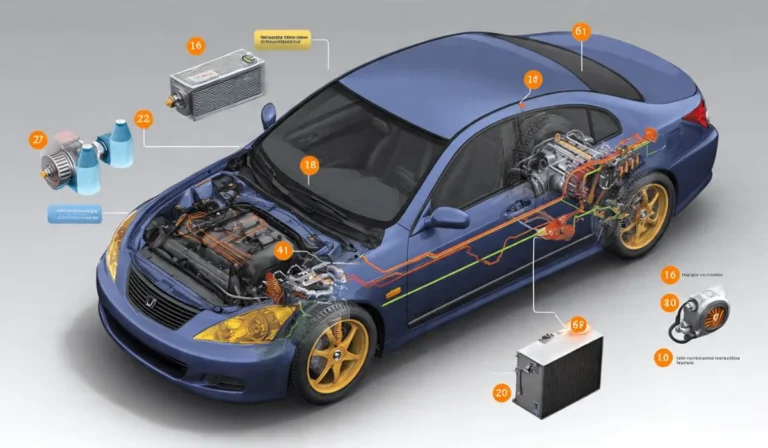
A vehicle contains several interconnected systems that must work together properly. The engine, transmission, braking system, cooling system, electrical components, and tires all require regular attention.
Ignoring routine maintenance can lead to problems such as:
-
Reduced fuel efficiency and increased fuel consumption.
-
Engine overheating due to insufficient coolant.
-
Premature engine wear caused by dirty or insufficient oil.
-
Poor braking performance from worn brake components.
-
Uneven tire wear and reduced road traction.
-
Unexpected breakdowns and expensive repairs.
Preventive maintenance is generally less expensive than repairing a major mechanical failure. It also allows drivers to identify potential safety concerns before they become serious.
The National Highway Traffic Safety Administration (NHTSA) recommends following the manufacturer’s maintenance schedule, checking tire pressure regularly, and inspecting essential vehicle fluids and lights.
How to Do Basic Car Maintenance: A Beginner-Friendly Guide:
1. Check Your Engine Oil Regularly
Engine oil is essential for protecting internal engine components. It lubricates moving parts, reduces friction, helps control operating temperatures, and carries away contaminants.
Driving with insufficient or degraded engine oil can cause excessive engine wear and potentially severe mechanical damage.
How to Check Engine Oil
-
Park your vehicle on a level surface.
-
Turn off the engine and allow it to cool or settle according to the manufacturer’s instructions.
-
Open the hood and locate the engine oil dipstick.
-
Pull out the dipstick and wipe it with a clean cloth.
-
Insert it fully into the tube and remove it again.
-
Check whether the oil level falls between the minimum and maximum markings.
-
If the level is low, add the recommended engine oil gradually.
Always use the oil viscosity and specification recommended in your owner’s manual. Common oil grades include 5W-30 and 0W-20, but the correct choice depends on the engine design and operating conditions.
When Should You Change Engine Oil?
Oil change intervals vary according to vehicle models, engine types, oil specifications, and driving conditions. Some modern vehicles can operate for longer intervals using approved synthetic oil.
Rather than following an outdated rule that every car needs an oil change after 3,000 miles, check the manufacturer’s recommended mileage or time interval. Replace the oil filter when performing an oil change unless the manufacturer specifies otherwise.
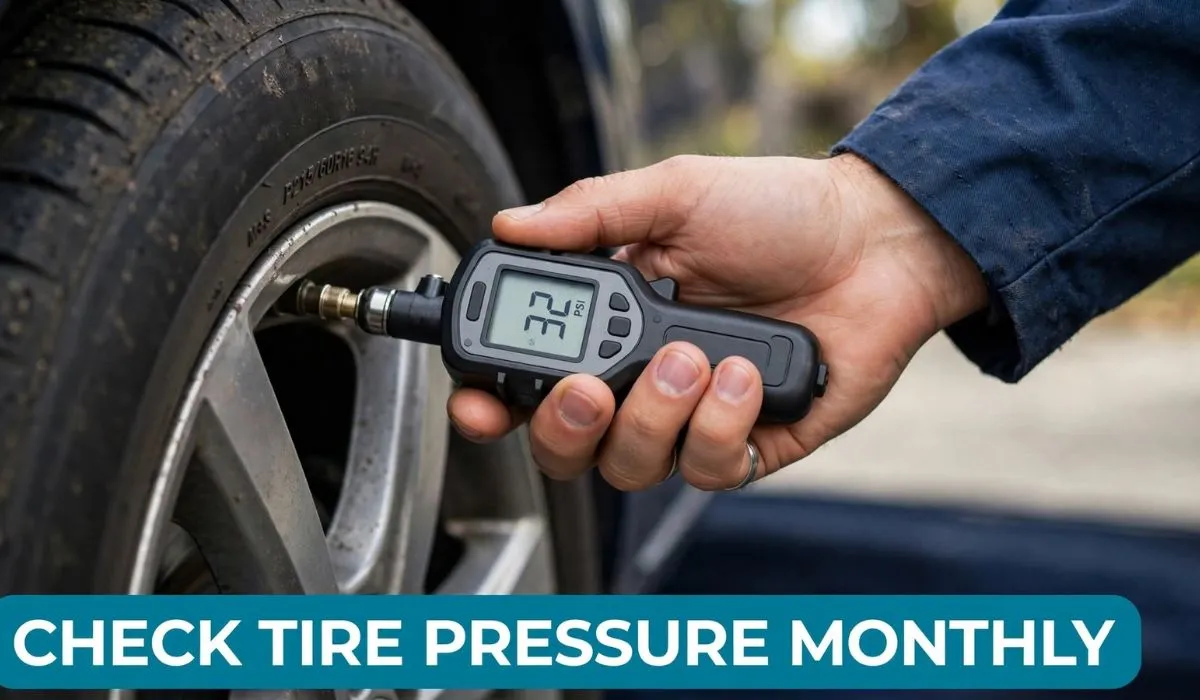
2. Maintain Proper Tire Pressure
Tires directly affect vehicle handling, braking distance, fuel economy, and driving comfort. Incorrect tire pressure can contribute to uneven wear and poor road performance.
Both underinflated and overinflated tires can create problems. Underinflated tires generate additional heat and may wear along their outer edges, while overinflated tires can reduce the contact area with the road.
Steps to Check Tire Pressure
-
Check tire pressure when the tires are cold.
-
Remove the valve cap from each tire.
-
Attach a reliable tire pressure gauge to the valve stem.
-
Read the displayed pressure.
-
Compare the reading with the manufacturer’s recommended PSI.
-
Add or release air as necessary.
-
Replace the valve cap after checking.
The recommended pressure is usually printed on a sticker inside the driver’s door frame. It may also appear in the owner’s manual.
Do not automatically use the maximum pressure printed on the tire sidewall. That number is not necessarily the recommended operating pressure for your vehicle.
Inspect Tire Tread and Sidewalls
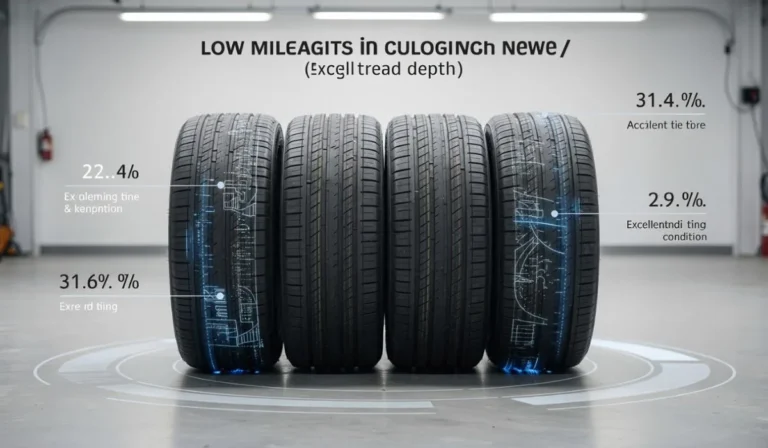
Look for cracks, bulges, cuts, exposed cords, embedded objects, and unusual tread wear. These signs can indicate damage that requires professional attention.
A simple tread-depth gauge can help determine whether the tires have sufficient tread remaining. In the United States, 2/32 inch is the commonly used minimum legal tread-depth threshold, although replacing tires earlier can provide additional safety, particularly in wet conditions.
Your AAA Network+1
3. Monitor Essential Vehicle Fluids
Your car depends on several fluids to operate safely and efficiently. Low fluid levels, contamination, or leaks can affect important mechanical systems.
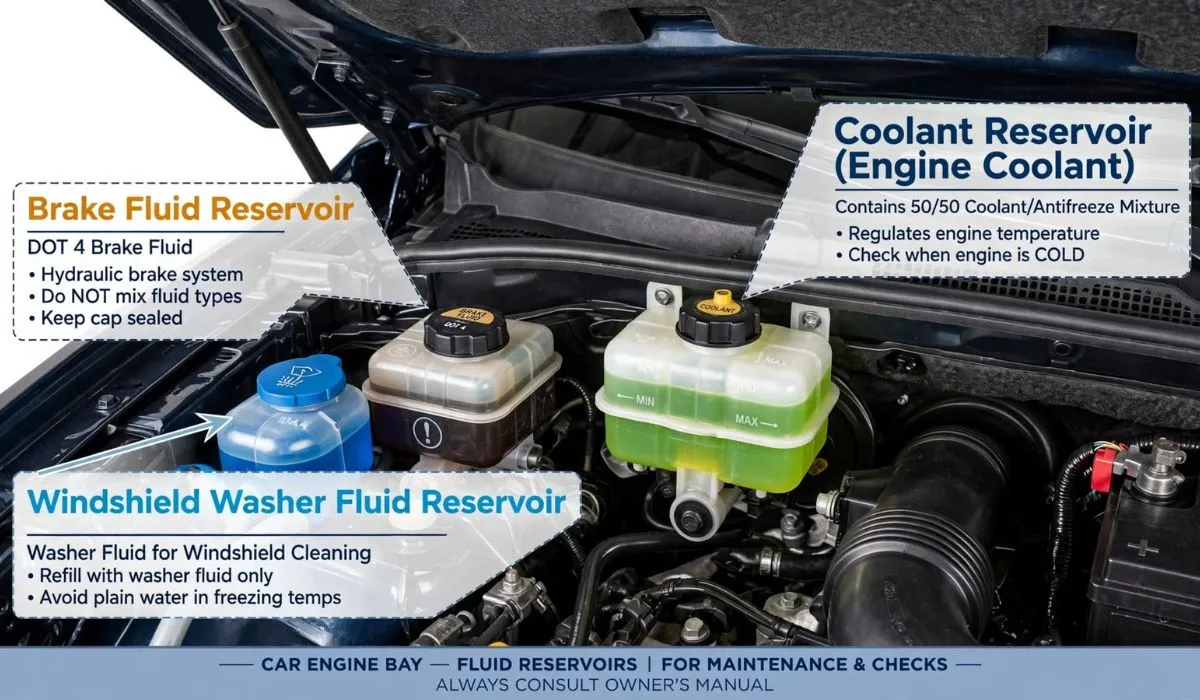
Engine Coolant
Coolant helps regulate engine temperature and protects the cooling system against corrosion. Check the coolant reservoir when the engine is completely cold.
The liquid should normally sit between the minimum and maximum markings. If the level is consistently dropping, have the cooling system inspected for leaks.
Important: Never remove a radiator cap or pressurized coolant reservoir cap while the engine is hot. Escaping hot coolant and steam can cause serious burns.
Brake Fluid
Brake fluid transfers force through the hydraulic braking system. Check the reservoir level against its markings and look for signs of leakage.
A low level can indicate worn brake components or a leak. Do not simply keep adding fluid without identifying the cause. Brake fluid specifications are vehicle-specific, so use only the type recommended by the manufacturer.
Windshield Washer Fluid
Washer fluid helps remove dirt, dust, insects, and road residue from the windshield. Refill the designated reservoir with appropriate windshield washer fluid.
Avoid confusing it with the coolant reservoir. These containers serve completely different purposes.
Transmission and Power Steering Fluids
Some vehicles have accessible transmission or power steering fluid reservoirs, while others use sealed systems.
Follow the manufacturer’s checking procedure because transmission fluid measurements may require a particular temperature, engine condition, or gear position. Electric power steering systems generally do not require hydraulic steering fluid.
Read Next: Can A Hybrid Jump Start Another Vehicle | What You Need to Know
4. Inspect Your Car Battery
A healthy battery supplies the electrical power needed to start the engine and operate various electronic systems.
Battery problems can cause slow engine cranking, dim lights, electrical malfunctions, or complete starting failure.
Basic Battery Inspection
-
Switch off the ignition and electrical accessories.
-
Open the hood and locate the battery.
-
Examine the battery case for cracks, swelling, or visible damage.
-
Check the terminals for corrosion or loose connections.
-
Look for white or bluish deposits around the battery terminals.
-
Arrange a battery health test if the vehicle starts slowly or the battery is aging.
Do not touch damaged battery components or attempt repairs if you are unfamiliar with automotive electrical systems. Batteries can produce explosive gases, and incorrect handling can cause injuries.
Most conventional car batteries have a limited service life, but their lifespan depends on climate, usage, charging conditions, and battery quality. Regular testing can help identify a weak battery before it leaves you stranded.
5. Check the Braking System
Your braking system is one of the most important safety features in any vehicle. Brake pads, rotors, calipers, brake lines, and hydraulic components all need to remain in good condition.
Warning Signs of Brake Problems
Pay attention to these common symptoms:
-
Squealing or grinding sounds when braking.
-
A brake pedal that feels unusually soft or spongy.
-
Vibrations when applying the brakes.
-
A vehicle pulling to one side during braking.
-
A brake warning light on the dashboard.
-
A noticeable reduction in stopping performance.
Some brake pads have built-in wear indicators that produce a squealing sound when replacement is approaching.
Do not ignore grinding noises or changes in braking performance. Arrange a professional inspection as soon as possible. If braking performance is significantly reduced, stop driving and arrange recovery rather than continuing the journey.
6. Replace Dirty Air Filters
Air filters help protect important vehicle systems from dust and airborne contaminants. Most conventional cars have two commonly serviced filters: an engine air filter and a cabin air filter.
Engine Air Filter
The engine air filter prevents dust and debris from entering the engine’s air intake system.
To inspect it:
-
Locate the air filter housing under the hood.
-
Open the housing according to the vehicle’s instructions.
-
Remove the filter carefully.
-
Examine the filter material for excessive dirt or damage.
-
Replace it if it is clogged or has reached its service interval.
A severely restricted filter can affect engine performance, although replacement should be based on its actual condition and manufacturer guidance.
Cabin Air Filter
The cabin air filter cleans incoming air before it reaches the passenger compartment.
A dirty filter may reduce airflow from the air-conditioning system and allow unpleasant odors to develop.
Check the filter’s location in your owner’s manual. In many vehicles, it is located behind the glove compartment.
7. Maintain Windshield Wipers and Exterior Lights
Good visibility is essential for safe driving, particularly during heavy rain, fog, and nighttime journeys.
Inspect Windshield Wiper Blades
Check the rubber edges for cracks, splits, or hardening. Turn on the washer system and test the wipers.
Replace damaged blades if they leave streaks, skip across the windshield, or fail to clear water effectively.
Also, keep the windshield clean and refill the washer fluid when necessary.
Test All Exterior Lights
Walk around your vehicle and inspect:
-
Low-beam and high-beam headlights.
-
Front and rear turn signals.
-
Brake lights.
-
Tail lights.
-
Reverse lights.
-
Parking lights.
-
Hazard warning lights.
Ask another person to help check the brake and reverse lights. Replace defective bulbs with compatible components that meet the vehicle manufacturer’s specifications.
8. Keep Your Car Clean Inside and Outside
Cleaning is more than an appearance-related activity. Removing dirt, road salt, mud, and moisture can help protect exterior surfaces and make it easier to notice damage.
Exterior Cleaning
Wash the body regularly using automotive shampoo and clean water. Pay particular attention to wheel arches, door edges, and areas where dirt accumulates.
Dry the vehicle with a soft microfiber towel to reduce water spots. Inspect the paintwork for scratches, chipped paint, and early rust.
Interior Cleaning
Vacuum carpets, floor mats, and seats to remove dust and debris. Clean the dashboard and interior surfaces using suitable automotive cleaning products.
Remove spilled liquids promptly because moisture can contribute to unpleasant odors and material damage.
Keep windows and mirrors clean to maintain clear visibility.
9. Listen for Unusual Sounds and Watch Warning Lights
Your vehicle often provides early signs of mechanical problems through unusual sounds, vibrations, smells, and dashboard warnings.
A knocking engine, squealing belt, exhaust leak, or repeated clicking sound should not be dismissed as normal.
Understand Common Dashboard Warning Lights
Different warning lights communicate different problems.
| Warning light | Possible meaning |
|---|---|
| Oil pressure | Low oil pressure or lubrication problem |
| Battery | Charging system malfunction |
| Check engine | Engine or emissions-related fault |
| Temperature | Engine overheating |
| Brake | Brake system warning or parking brake engaged |
| Tire pressure | One or more tires may have incorrect pressure |
A flashing check engine light generally requires immediate attention because it may indicate a serious engine misfire.
If the oil pressure warning appears while driving, safely stop the engine as soon as possible. If the temperature warning indicates overheating, stop safely and switch off the engine. Do not open a hot cooling system.
Always consult the owner’s manual to understand the specific warning symbols in your vehicle.
10. Follow a Regular Car Maintenance Schedule
The easiest way to maintain a car is to create a simple inspection routine. Instead of waiting for something to break, check important components at consistent intervals.
A Practical Maintenance Checklist
| Maintenance task | Suggested frequency |
|---|---|
| Check tire pressure | Monthly |
| Inspect engine oil | Monthly |
| Check exterior lights | Monthly |
| Inspect windshield wipers | Monthly |
| Check coolant level | Monthly or as recommended |
| Inspect battery condition | Every 3–6 months |
| Check brake condition | At scheduled service |
| Inspect air filters | According to service schedule |
| Change engine oil | Manufacturer’s interval |
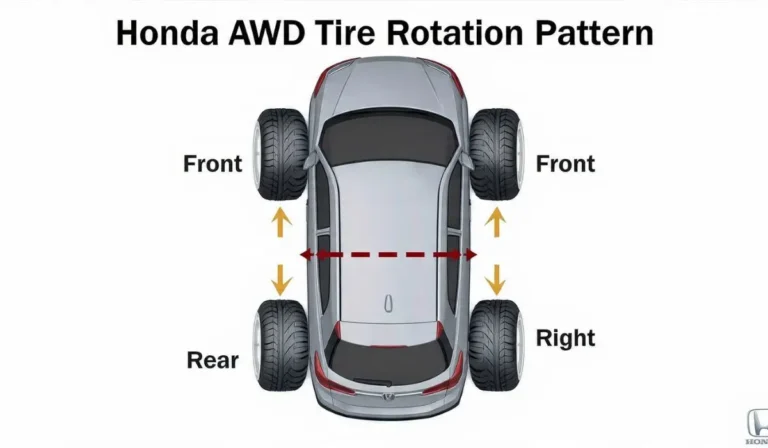
| Rotate tires | Manufacturer’s interval |
These are general inspection suggestions, not universal replacement intervals. Your owner’s manual should always take priority because different vehicles have different service requirements.
AAA Club Alliance+2
11. Learn Which Maintenance Tasks You Can Do Yourself
Not every maintenance job requires a professional mechanic. Several basic tasks can be completed at home with inexpensive tools and a little preparation.
Essential Tools for Beginners
Consider keeping these items in your garage:
-
Tire pressure gauge.
-
Portable tire inflator.
-
Engine oil funnel.
-
Microfiber cleaning cloths.
-
Basic socket and wrench set.
-
Screwdriver set.
-
Car battery tester.
-
Flashlight.
-
Disposable gloves.
-
Vehicle-specific owner’s manual.
A basic OBD-II scanner can also help identify diagnostic trouble codes in compatible vehicles. However, reading a fault code does not automatically identify the exact cause of a problem.
Maintenance Tasks Best Left to Professionals
Some automotive jobs require specialized tools, technical knowledge, or safety equipment.
These include:
-
Brake system repairs and hydraulic bleeding.
-
Transmission repairs.
-
Timing belt replacement.
-
Suspension and steering repairs.
-
Air-conditioning refrigerant servicing.
-
Complex electrical diagnostics.
-
Engine overheating diagnosis.
Learning basic maintenance is valuable, but attempting complicated repairs without proper experience can create additional damage or safety risks.
12. Keep a Record of Every Maintenance Activity
Maintaining a vehicle service record is an often-overlooked part of car ownership. A written maintenance history helps you remember when components were inspected, replaced, or repaired.
What Information Should You Record?
Create a simple maintenance log containing:
-
Date of service.
-
Vehicle mileage.
-
Engine oil type and replacement date.
-
Tire inspection and rotation details.
-
Battery replacement date.
-
Air filter replacement.
-
Brake inspection results.
-
Repair expenses.
-
Next scheduled maintenance date.
You can use a notebook, spreadsheet, or mobile application to organize this information.
Keeping service receipts and maintenance records can also help demonstrate that the vehicle has received regular attention when selling it in the future.
13. Avoid Common Car Maintenance Mistakes
Even responsible drivers sometimes make maintenance mistakes that can affect vehicle performance and reliability.
Following Incorrect Oil Change Intervals
Changing oil too frequently can waste money, while waiting too long can increase engine wear. Follow the manufacturer’s recommended interval and consider severe driving conditions when determining service requirements.
Ignoring Small Fluid Leaks
A small puddle underneath your vehicle may indicate an oil, coolant, brake fluid, or other fluid leak. Do not assume that a minor leak is harmless.
Identify the source and have it inspected.
Using the Wrong Replacement Parts
Not every oil filter, air filter, spark plug, or battery fits every vehicle. Check compatibility using the vehicle identification number (VIN), manufacturer’s specifications, or a reliable parts catalog.
Forgetting the Spare Tire
If your vehicle includes a spare tire, inspect its pressure and condition periodically. A spare tire is not useful if it is damaged or underinflated when needed.
Skipping Scheduled Servicing
Some components require maintenance even when they appear to be working normally. Timing belts, transmission fluids, spark plugs, and other parts have specific inspection or replacement requirements.
Follow the vehicle’s service schedule rather than waiting for noticeable symptoms.
Frequently Asked Questions (FAQs)
1. What are the basic car maintenance tasks every owner should know?
Every car owner should know how to check engine oil, inspect tire pressure, monitor coolant levels, check battery condition, inspect windshield wipers, and recognize dashboard warning lights. These simple tasks help identify common vehicle problems early.
2. How often should I perform basic car maintenance?
A quick visual inspection can be performed weekly, while tire pressure, engine oil, and exterior lights should generally be checked monthly. Other maintenance activities depend on the manufacturer’s recommendations, vehicle mileage, and driving conditions.
3. Can I maintain my car without visiting a mechanic?
Yes. You can handle several basic tasks yourself, including checking fluids, cleaning the vehicle, inspecting tires, replacing compatible air filters, and checking lights. However, complicated mechanical repairs and safety-critical work should be handled by qualified professionals.
4. What happens if I do not change my engine oil?
Old or degraded engine oil may lose its ability to lubricate and protect moving engine components effectively. Continued use can increase friction, accelerate engine wear, and potentially cause serious engine damage.
5. How do I know when my car needs servicing?
Common indicators include dashboard warning lights, unusual noises, reduced fuel efficiency, fluid leaks, difficult starting, unusual vibrations, and changes in braking performance. You should also follow the scheduled servicing intervals in your owner’s manual.
6. Does regular car maintenance improve fuel efficiency?
Proper maintenance can help support fuel efficiency. Correct tire pressure, suitable engine oil, clean filters, and properly functioning engine components can reduce unnecessary energy losses and help the vehicle operate as intended.
7. How much does basic car maintenance cost?
The cost depends on the vehicle model, replacement parts, labor charges, and local service rates. Simple inspections and cleaning are relatively inexpensive, while oil changes, tire replacements, brake repairs, and battery replacements require additional spending.
8. What should I check before taking my car on a long trip?
Before a long journey, inspect tire pressure and tread condition, engine oil, coolant, brake performance, headlights, brake lights, windshield wipers, and washer fluid. Also check the spare tire and emergency equipment. Have any existing mechanical concerns inspected before departure.
9. Is it necessary to warm up a car before driving?
Most modern fuel-injected gasoline vehicles do not require several minutes of idling before driving. After starting, allow the engine a short moment to stabilize and drive gently until it reaches normal operating temperature. Follow the manufacturer’s recommendations, particularly for diesel and hybrid vehicles.
10. What is the most important part of car maintenance?
There is no single maintenance task that guarantees vehicle reliability. However, engine lubrication, tire condition, braking performance, and cooling system health are particularly important because they directly affect vehicle operation and safety.