
What To Do When Check Engine Light Comes On | Causes, Immediate Steps, and When to Get Professional Help

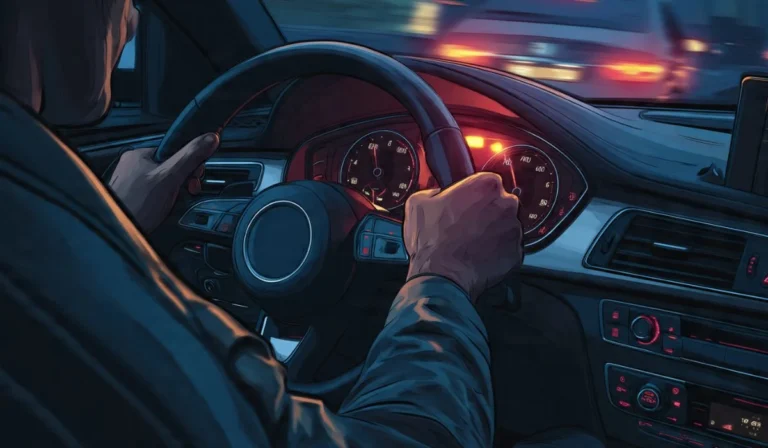
Seeing the check engine light suddenly appear on your dashboard can be stressful, especially if you are driving and have no idea what caused it. The good news is that a check engine light does not always mean your vehicle has a major or expensive problem. It can be triggered by something as simple as a loose gas cap, but it can also indicate an issue involving the engine, emissions system, fuel system, ignition components, or sensors.
The most important thing is to pay attention to how the check engine light appears. A steady light usually means the vehicle has detected a problem that needs attention but may not require an immediate stop. A flashing check engine light can indicate a serious condition, such as an active engine misfire, that could damage the catalytic converter.
Knowing what to do when the check engine light comes on can help you stay safe, avoid unnecessary repairs, and determine when professional assistance is needed.
Check Whether the Light Is Steady or Flashing:

The first thing to do is look carefully at the check engine light. Its behavior can provide an important clue about the urgency of the situation.
What a Steady Check Engine Light Means
A steady yellow or amber check engine light generally means the vehicle’s onboard diagnostic system has detected a fault and stored a diagnostic trouble code.
You may be able to continue driving for a short distance if the car feels completely normal. However, you should arrange a diagnostic check rather than ignoring the warning.
Common causes include:
- Loose or damaged gas cap
- Faulty oxygen sensor
- Worn spark plugs
- Ignition coil problems
- Mass airflow sensor issues
- Catalytic converter problems
- Evaporative emissions system leaks
- Fuel system problems
The light itself does not tell you exactly which component has failed. A diagnostic scan is usually needed to identify the stored trouble code.
What a Flashing Check Engine Light Means
A flashing check engine light deserves much more attention. It can indicate a severe engine misfire that may cause excessive heat and damage to the catalytic converter.
If the light is flashing and the vehicle is shaking, losing power, running roughly, or producing unusual smells, reduce your speed and stop driving when it is safe to do so.
Continuing to drive with a serious misfire can potentially turn a relatively manageable repair into a much more expensive one.
Pay Attention to How Your Car Is Behaving
The warning light should never be considered by itself. Your vehicle’s symptoms can help determine how urgent the situation is.
Signs That Require Immediate Attention
Be especially cautious if the check engine light appears along with:
- Severe shaking or vibration
- Significant loss of engine power
- Smoke
- Burning smells
- Overheating
- Unusual engine noises
- Very poor acceleration
- Flashing warning light
- Multiple dashboard warning lights
If the vehicle appears unsafe to operate, pull over in a safe location and arrange roadside assistance or professional help.
When the Car Still Feels Normal
If the light is steady and your vehicle drives normally, you may not need to stop immediately. Nevertheless, do not assume the problem has disappeared.
Some faults can exist without noticeable symptoms. Your vehicle’s computer can detect emissions or sensor problems before they become obvious to the driver.
Check the Gas Cap
One of the simplest things to inspect is the fuel filler cap.
A loose, missing, cracked, or improperly sealed gas cap can allow fuel vapors to escape and trigger an emissions-related diagnostic code.
Reseat the Gas Cap Properly
Park safely, turn off the engine, and check that the gas cap is installed correctly.
Remove it and inspect the cap and sealing area for visible damage. Reinstall it securely according to the vehicle manufacturer’s instructions.
The check engine light may not disappear immediately. In some vehicles, the system needs to complete several driving cycles before the warning turns off if the fault is no longer detected.
Do not assume a gas-cap check has solved the problem simply because the light eventually disappears. If the light returns, have the vehicle scanned.
Check for Other Warning Signs
Your dashboard may provide additional information that helps identify a potentially serious problem.
Watch the Temperature Gauge
If the check engine light comes on and the engine temperature rises into the overheating range, stop driving as soon as it is safe.
An overheating engine can suffer significant damage if operated for too long at excessive temperatures.
Look for Oil Pressure or Battery Warnings
A check engine light combined with an oil-pressure warning, overheating warning, or other critical indicator requires additional caution.
Do not treat every dashboard warning as though it has the same level of urgency. Some warnings can indicate conditions where continuing to drive could cause serious mechanical damage.
Get the Diagnostic Trouble Codes Read
The most useful next step for a persistent check engine light is usually a diagnostic scan.
Modern vehicles use an onboard diagnostic system, commonly referred to as OBD-II, to monitor numerous systems and components.
What an OBD-II Scan Does
An OBD-II scanner communicates with the vehicle’s computer and retrieves stored diagnostic trouble codes.
Codes can point toward systems or conditions that require investigation. For example, a code may indicate a detected misfire, an emissions-system issue, or a sensor-related problem.
However, a trouble code is not necessarily a direct instruction to replace a particular part.
A qualified technician should interpret the code alongside the vehicle’s symptoms, test results, maintenance history, and manufacturer-specific information.
Don’t Automatically Replace the Part Mentioned by a Code
This is an important distinction.
If a diagnostic code relates to an oxygen sensor, for example, that does not automatically prove the sensor itself has failed. Wiring problems, exhaust leaks, fuel mixture issues, or other underlying faults can sometimes produce a code associated with a particular system.
Proper diagnosis is better than replacing parts based solely on a code.
Consider the Most Common Causes
Several problems can trigger the check engine light.
Spark Plugs and Ignition Problems
Worn spark plugs, defective ignition coils, or related ignition issues can cause engine misfires.
You might notice:
- Rough idling
- Shaking
- Poor acceleration
- Reduced fuel economy
- Difficulty starting
Ignoring repeated misfires can lead to additional exhaust-system problems.
Oxygen Sensor Problems
Oxygen sensors monitor oxygen levels in the exhaust and provide information used by the engine management system.
A failing sensor can contribute to poor fuel economy and increased emissions.
Catalytic Converter Problems
The catalytic converter helps reduce certain harmful pollutants in exhaust gases.
Catalytic converter problems can be expensive, which is why diagnosing the underlying cause of a related fault is important. Engine misfires and other problems can potentially damage the converter.
Mass Airflow Sensor Problems
The mass airflow sensor helps measure incoming air so the engine computer can determine an appropriate fuel mixture.
A faulty or contaminated sensor may contribute to rough running, poor acceleration, or reduced fuel economy.
Don’t Ignore the Check Engine Light
One of the biggest mistakes drivers make is simply getting used to the warning light.
A Warning Light Is Information
Even if the car continues to drive normally, the light means the vehicle has detected something outside its expected operating parameters.
The problem may remain minor, but it can also become more serious depending on the cause.
Addressing a problem early can sometimes prevent secondary damage.
Don’t Clear the Code Without Diagnosing the Cause
Resetting the check engine light may make the dashboard look normal temporarily, but it does not repair the underlying problem.
A code can return if the fault remains.
Clearing diagnostic information can also remove useful information that a technician may need when diagnosing an intermittent problem.
Avoid Driving if the Vehicle Becomes Unsafe
There is an important difference between a warning that needs scheduling and a vehicle that should not be driven.
Stop Driving for Serious Symptoms
Consider stopping and getting professional assistance if the vehicle:
- Is overheating
- Has very low oil pressure
- Has severe engine shaking
- Produces heavy smoke
- Has dramatically reduced power
- Makes loud mechanical noises
- Has a flashing check engine light
- Feels unsafe to control
Your safety should take priority over getting the vehicle home.
Schedule a Professional Inspection
If the check engine light remains illuminated, schedule a diagnostic inspection with a qualified mechanic or repair facility.
What the Technician May Check
Depending on the diagnostic code and symptoms, the technician may inspect:
- Engine performance
- Ignition components
- Fuel delivery
- Intake and vacuum systems
- Exhaust components
- Emissions systems
- Electrical connections
- Sensors
- Wiring
- Battery and charging system
- Manufacturer-specific systems
A proper diagnosis can help determine whether the issue is a simple repair or something that requires more extensive work.
Understand Why the Light May Turn Off by Itself
Sometimes a check engine light disappears without any repair.
This can happen when the vehicle’s computer no longer detects the condition that triggered the warning during subsequent monitoring.
Does That Mean the Problem Is Fixed?
Not necessarily.
An intermittent problem can temporarily disappear and return later. If the light has turned off but you experienced noticeable symptoms, it is still worth mentioning the event to a mechanic.
If diagnostic information remains stored, it may help identify what happened.
Keep Track of Recent Maintenance or Repairs
Think about what happened before the warning appeared.
Did you recently:
- Fill the fuel tank?
- Have an oil change?
- Replace a battery?
- Install a new part?
- Perform engine maintenance?
- Drive through unusually deep water?
- Notice poor fuel economy?
- Experience difficult starting?
Sharing this information with a technician can make diagnosis easier.
Use Your Owner’s Manual
Your vehicle’s owner’s manual is one of the best sources of model-specific information.
Check the Dashboard Warning Information
Some vehicles provide specific instructions for warning lights, including information about whether the vehicle should be driven or inspected immediately.
Always follow manufacturer-specific instructions when they differ from general advice.
How to Prevent Future Check Engine Light Problems
You cannot prevent every mechanical or electronic fault, but regular maintenance can reduce the risk of certain problems.
Follow the Recommended Maintenance Schedule
Keep up with the manufacturer’s recommended service intervals for items such as:
- Engine oil
- Filters
- Spark plugs
- Fluids
- Belts
- Ignition components
- Emissions-related components
Maintenance requirements vary considerably between vehicles, so use the schedule specified for your particular model.
Pay Attention to Small Changes
A small change in engine behavior can provide an early warning.
Watch for unusual:
- Sounds
- Vibrations
- Smells
- Starting behavior
- Fuel consumption
- Acceleration
- Idle quality
Addressing symptoms early may help prevent more complicated problems later.
What Not to Do When the Check Engine Light Comes On
Avoid making assumptions based only on the dashboard symbol.
Don’t Panic
A check engine light does not automatically mean your engine needs to be replaced.
There are many possible causes, ranging from relatively simple issues to serious mechanical faults.
Don’t Ignore a Flashing Light
A flashing light is substantially more concerning than a steady warning.
If it is accompanied by severe symptoms, stop driving and seek professional assistance.
Don’t Buy Parts Before Diagnosis
Replacing random sensors or components can waste money and may not solve the actual problem.
Get the vehicle diagnosed first whenever possible.
A Simple Check Engine Light Action Plan
When the light comes on, follow this simple sequence:
1. Look at the light. Determine whether it is steady or flashing.
2. Check how the car feels. Look for shaking, overheating, loss of power, smoke, or unusual noises.
3. Check the fuel cap. Make sure it is correctly installed and not visibly damaged.
4. Read your owner’s manual. Look for model-specific warning instructions.
5. Get the vehicle scanned. Retrieve the diagnostic trouble codes.
6. Diagnose the underlying cause. Don’t assume the code automatically identifies a failed part.
7. Repair the problem. Use a qualified technician when the issue requires professional diagnosis or repair.
8. Confirm the repair. Make sure the warning does not return and that the vehicle operates normally.
Read Next: What To Use To Clean Inside Of Car Dashboard At Home? Guide
Final Thoughts
Knowing what to do when the check engine light comes on can prevent unnecessary stress and help you respond appropriately. Start by determining whether the light is steady or flashing, then pay attention to how the vehicle is performing.
A steady light with no unusual symptoms generally calls for timely diagnosis rather than panic. A flashing light, especially with shaking, loss of power, overheating, smoke, or unusual noises, should be treated as a more urgent warning.
Most importantly, don’t rely on the warning light alone to diagnose the problem. An OBD-II scan can identify stored trouble codes, but those codes often need further testing and professional interpretation. Taking action early can help protect your vehicle and potentially prevent a small issue from becoming a much more expensive repair.
FAQs
Is it safe to drive with the check engine light on?
If the light is steady and the vehicle is operating normally, it may be possible to drive it a short distance to a repair facility. However, you should arrange a diagnostic check rather than ignoring it.
Can a loose gas cap cause the check engine light?
Yes. A loose, damaged, or improperly sealed fuel cap can cause an emissions-system fault and trigger the check engine light on some vehicles.
What should I do if my check engine light is flashing?
A flashing check engine light can indicate a serious misfire or another condition that may cause damage. Reduce driving and stop in a safe location, particularly if the vehicle is shaking, losing power, or running poorly.
How long can I drive with the check engine light on?
There is no universal safe mileage or time limit. It depends on the cause. A vehicle with a minor emissions fault may continue operating, while a serious misfire or overheating condition may require immediate attention.
Will the check engine light turn off by itself?
It can turn off if the vehicle stops detecting the condition that triggered it. However, an automatically disappearing light does not always mean the underlying issue has permanently been resolved.
Can I reset the check engine light myself?
Some diagnostic tools can clear stored codes, but clearing a code does not fix the underlying problem. It is generally better to diagnose and repair the cause before resetting the warning.
Does a check engine light always mean something is wrong with the engine?
No. The light can relate to many systems monitored by the vehicle’s onboard diagnostics, including emissions, fuel, ignition, sensors, and other engine-management components.
Can low engine oil cause a check engine light?
Low oil can contribute to engine problems, but vehicles may use a separate oil-pressure or oil-level warning depending on the model. If an oil warning appears, follow the owner’s manual instructions and address it promptly.
Should I use an OBD-II scanner when the light comes on?
An OBD-II scanner can be useful for retrieving diagnostic trouble codes. However, the code is a starting point for diagnosis rather than proof that a particular component needs replacement.
How much does it cost to fix a check engine light?
The cost varies widely because the warning can be caused by something relatively inexpensive or by a major mechanical or emissions-system problem. Diagnosis should come before estimating the repair cost.