How Long Do Tires Last With Low Mileage | Age vs Wear Explained
 ByAliza
Tires don’t wear out only from driving. Even if your car covers very few kilometers each year, your tires are still aging every single day. Sunlight, oxygen, temperature changes, moisture, and long periods of sitting in one place slowly degrade the rubber.
That’s why many drivers are surprised to learn their tires need replacement even though the tread still looks deep and hardly used.
If you drive infrequently, own a second car, work from home, or store a vehicle for long periods, this guide will help you understand how long tires really last with low mileage, why aging matters more than tread, and how to know when it’s time to replace them for safety.
Mileage Is Not the Only Thing That Wears Out Tires:
Most people assume tires last 40,000 to 80,000 kilometers depending on type. That estimate only applies to regular driving. With low mileage, a different factor becomes more important: time.
Tires are made from natural and synthetic rubber compounds mixed with oils and chemicals that keep them flexible. Over time:
- Rubber dries out
- Oils evaporate
- Sidewalls harden
- Tiny cracks form
- Structural strength weakens
This process happens whether you drive or not.
The General Rule: Replace Tires After 6 Years:
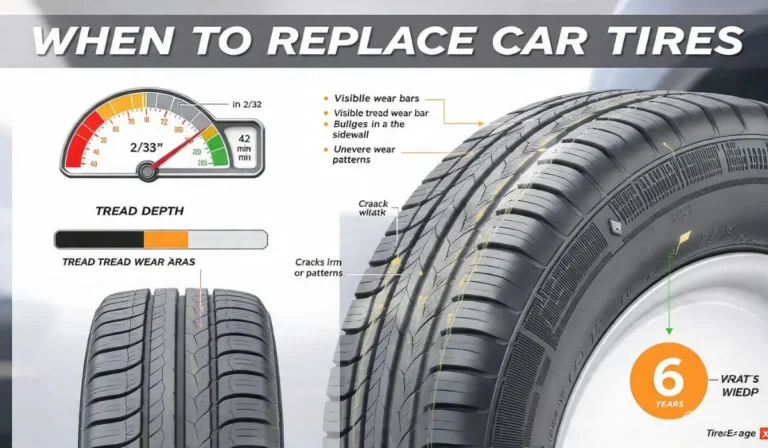
Major tire makers and safety organizations recommend replacing tires after six years, regardless of tread depth. By ten years, replacement is considered mandatory.
For example, guidance from Michelin, Bridgestone, and National Highway Traffic Safety Administration all emphasizes age as a critical factor in tire safety.
Even if your tires look new and have deep grooves, the internal rubber structure may no longer be safe.
Why Tires Age Faster When You Drive Less:
It sounds strange, but tires often age faster when a car sits unused.
When you drive regularly:
- The rubber flexes and stays conditioned
- Oils inside the tire spread evenly
- Flat spots don’t form
- Moisture doesn’t settle in one place
When a car sits for weeks or months:
- Tires support weight in one spot
- Flat spots form
- Sidewalls stiffen
- Cracking accelerates
- Internal belts weaken
Low mileage can actually shorten the usable life of a tire.
Read Next: Why Does My Car Keep Overheating
What Happens to Rubber Over Time:
Rubber naturally reacts with:
- Oxygen (oxidation)
- UV rays from sunlight
- Heat cycles
- Moisture in the air
This causes dry rot, a condition where tiny cracks appear on the sidewall and between tread blocks. Dry rot is a major sign that a tire is unsafe, even if tread depth is excellent.
How Long Do Tires Last With Very Low Mileage?
Here’s a realistic expectation:
| Tire Age | Typical Condition With Low Mileage |
|---|---|
| 0–3 years | Like new if stored well |
| 4–6 years | Safe but beginning to harden |
| 6–8 years | Cracking risk, reduced grip |
| 8–10 years | Unsafe even with good tread |
| 10+ years | High blowout risk |
Most low-mileage drivers replace tires due to age, not wear.
The Hidden Danger: Loss of Grip
As tires age, the rubber hardens. Hard rubber cannot grip the road well, especially in:
- Rain
- Cold weather
- Emergency braking
- Cornering
This is why old tires with good tread can still cause accidents.
How to Check the Age of Your Tires:
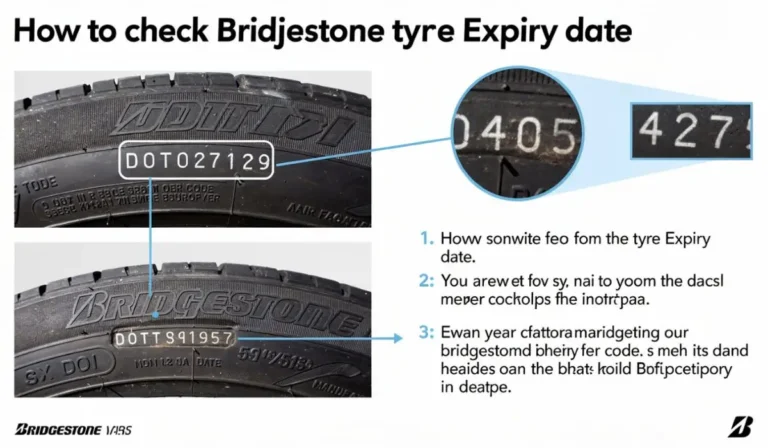
Every tire has a DOT code on the sidewall. The last four digits show the week and year of manufacture.
Example: 2419
- 24 = 24th week
- 19 = 2019
If your tire is older than six years, it’s time to plan replacement.
Signs Your Low-Mileage Tires Are Aging Out:
Look for:
- Small sidewall cracks
- Faded or gray rubber color
- Vibration when driving
- Flat spots after parking
- Hard, plastic-like feel
- Bulges or deformities
These signs mean age is affecting safety.
Storage Conditions Matter:
Where the car is parked greatly affects tire life.
Tires last longer when stored:
- In a garage
- Away from sunlight
- In moderate temperatures
- Properly inflated
- On a clean, dry surface
Tires age faster when stored:
- Outdoors in sun
- On hot pavement
- In very humid areas
- Under heavy weight without movement
How Infrequent Driving Creates Flat Spots:
When a car sits for weeks, the part of the tire touching the ground flattens slightly. Over time, this becomes permanent.
You may feel:
- Thumping sound
- Vibration at speed
- Uneven ride
Flat spots are common in low-mileage vehicles.
Why Tread Depth Can Be Misleading:
Tread depth only measures wear from driving. It does not measure:
- Rubber strength
- Sidewall condition
- Internal belt integrity
- Grip quality
A tire can have 90% tread and still be dangerous due to age.
Do Different Tire Types Age Differently?
Yes.
- Performance tires age faster (softer rubber)
- All-season tires age moderately
- Touring tires last longer
- Cheap tires often crack earlier
Quality tires from Goodyear or Continental AG tend to resist aging better than low-cost brands.
What Happens If You Keep Old Tires Too Long?
Risks include:
- Sudden blowouts
- Poor wet braking
- Loss of steering control
- Sidewall failure
- Belt separation at highway speeds
Many tire failures on highways are due to age, not wear.
How Often Should You Move a Low-Mileage Car?
To extend tire life:
- Drive at least once every 1–2 weeks
- Move the car a few meters if you can’t drive
- Maintain proper tire pressure
Movement helps prevent flat spots and keeps rubber conditioned.
The Role of Tire Pressure:
Underinflated tires age faster because:
- Sidewalls flex more
- Heat builds up
- Cracks form earlier
Check pressure monthly, even if you rarely drive.
Seasonal Temperature Changes Affect Aging:
Hot climates speed up oxidation and drying. Cold climates make rubber stiff and brittle. Both accelerate aging in parked vehicles.
When Should You Replace Low-Mileage Tires?
Replace when:
- Tires reach 6 years old
- You see cracking
- Ride becomes rough
- You feel vibration
- Sidewalls look dry
- Tires are 8+ years old regardless of condition
Is It Worth Replacing Tires With Good Tread?
Yes. Safety depends more on rubber condition than tread depth when tires are old.
How to Make Tires Last Longer With Low Mileage:
- Store vehicle indoors
- Keep tires inflated
- Drive regularly
- Clean tires occasionally
- Avoid parking on hot asphalt
- Use tire covers if parked outside
The Cost of Ignoring Tire Age:
A set of new tires is much cheaper than:
- Accident repairs
- Medical bills
- Insurance claims
- Roadside blowout emergencies
Last Call:
If you drive very little, your tires will age out long before they wear out. Most low-mileage drivers replace tires because of time, not tread. After six years, rubber begins to lose the properties that make it safe, even if it looks perfectly fine.
Check the DOT date on your tires today. If they are approaching six years old, plan for replacement. Tires are the only part of your car that touches the road, and their condition matters more than how many kilometers you’ve driven.
FAQs:
1. Can tires go bad even if the tread looks new?
Yes. Rubber ages due to oxygen, heat, and sunlight. Tires can become unsafe from age-related cracking and hardening despite deep tread.
2. How many years do tires last if I barely drive?
Plan on about 6 years of safe service. By 8–10 years, replacement is recommended regardless of appearance.
3. How do I find the age of my tires?
Check the DOT code on the sidewall. The last four digits show the week and year the tire was made (e.g., 2419 = 24th week of 2019).
4. Why do my tires feel bumpy after the car sits for weeks?
That’s likely flat spotting from sitting in one position. Regular short drives help prevent this.
5. Does parking outside make tires age faster?
Yes. Sunlight (UV), heat, and moisture speed up rubber deterioration. Garage storage slows aging.
6. Are cracks in the sidewall a serious problem?
Yes. Sidewall cracking (dry rot) is a clear sign the tire’s rubber is deteriorating and the tire should be replaced.
7. Do better brands last longer with low mileage?
Often yes. Higher-quality rubber compounds from reputable brands resist aging and cracking better than cheaper tires.