
How Many Years Do Tires Last Before Dry Rot | Signs & Tips

Tires do not last forever, even when they have plenty of tread left. As rubber ages, it gradually loses flexibility and can develop cracks known as dry rot. This can happen to tires that are driven every day as well as tires that spend most of their time sitting in a garage.
So, how many years do tires last before dry rot? There is no exact expiration point that applies to every tire. However, many tire manufacturers recommend having tires inspected regularly after about five years and replacing them around ten years from the date of manufacture, regardless of remaining tread. Some manufacturers recommend replacement sooner, so the specific tire maker’s guidance should always take priority.
Dry rot can appear earlier when tires are exposed to heat, sunlight, ozone, chemicals, or poor storage conditions. Knowing how old your tires are and recognizing early signs of deterioration can help you decide when replacement is necessary.
What Is Dry Rot on a Tire?

Dry rot is the deterioration of tire rubber caused by aging and environmental exposure. It is sometimes called weather checking or sidewall cracking.
Unlike ordinary tread wear, dry rot does not primarily depend on how many miles you have driven. A tire can have deep tread and still develop age-related cracking.
Where Does Dry Rot Usually Appear?
Cracking can occur in several areas of a tire, including:
- The sidewalls
- Between tread blocks
- Inside tread grooves
- Around the shoulder
- Near the bead area
Small surface cracks may be difficult to notice at first. As deterioration progresses, the cracks can become deeper and more widespread.
What Age Do Tires Usually Start Dry Rotting?
There is no specific year when every tire will begin to dry rot.
Tire compounds, climate, storage conditions, maintenance, and exposure to environmental factors all influence how quickly rubber ages.
Why Five Years Is an Important Checkpoint
Around five years after manufacture, many tire manufacturers recommend more frequent professional inspections.
That does not mean every five-year-old tire must immediately be replaced. Instead, it means age should become an important part of the tire-safety assessment.
A tire that is five years old and heavily exposed to hot sun may look very different from a five-year-old tire that has spent most of its life indoors.
How Long Do Tires Last Before They Need Replacement?
Tire lifespan varies considerably.
Many manufacturers advise replacing tires at approximately ten years from the date of manufacture, even if they still have legal tread depth. Others may specify different limits or inspection schedules.
Why There Is No Universal Tire Expiration Date
Several factors affect tire life:
- Tire design and rubber compounds
- Driving habits
- Climate
- Sun exposure
- Tire pressure
- Storage conditions
- Road conditions
- Vehicle weight
- Maintenance history
Therefore, the calendar age of a tire is important, but it should be considered alongside its physical condition and the manufacturer’s recommendations.
Can Dry Rot Happen Before Six Years?

Yes. Tires can develop noticeable cracking before they reach six years old.
A hot climate, direct sunlight, ozone exposure, improper storage, and other environmental factors can accelerate rubber deterioration.
Climate Makes a Difference
Tires exposed to intense heat and sunlight for years may age faster than tires protected from those conditions.
This is particularly relevant in regions where vehicles regularly sit outdoors in high temperatures.
However, cooler climates do not make tires immune to aging. Time continues to affect rubber regardless of location.
Can 10-Year-Old Tires Still Have Good Tread?
Absolutely. An older tire can retain considerable tread because tread wear depends largely on mileage, road conditions, driving style, and alignment.
But good tread does not necessarily mean the tire is still suitable for service.
Tread Depth Is Not the Whole Story
A tire has more than just its visible tread. It also contains rubber compounds, belts, cords, and other structural materials.
Age can affect these materials even when the tread appears acceptable.
That is why tire age and condition should be considered together.
Read Next: Why Does My Steering Wheel Shake
How to Find Out How Old Your Tires Are:
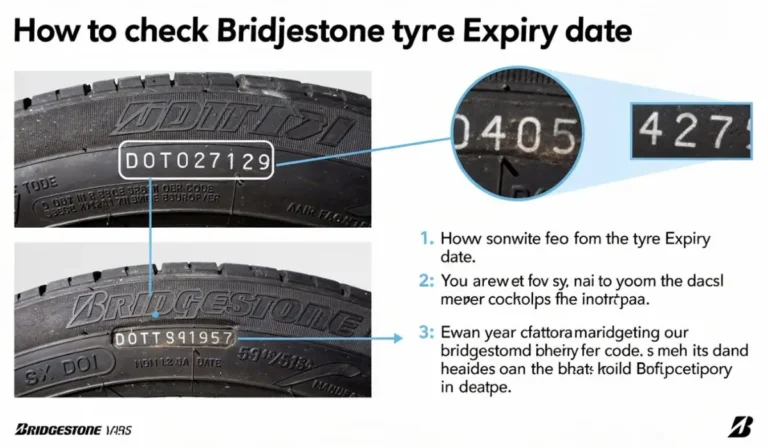
You can usually determine a tire’s manufacturing age by checking the Tire Identification Number on its sidewall.
Look for the sequence that begins with DOT.
How to Read the Four-Digit Date Code
The last four digits of the full identification number generally represent the production week and year.
For example:
1819 = 18th week of 2019
This tells you when the tire was manufactured. It does not indicate when the tire was purchased or installed.
If the tire was manufactured in 2019, its age should be calculated from that production date rather than the date you bought the vehicle.
What Does Tire Dry Rot Look Like?

Dry rot can start subtly, which makes regular inspection important.
Look closely at the sidewalls and tread when the vehicle is parked safely.
Early Signs of Dry Rot
Possible early signs include:
- Fine hairline cracks
- Small cracks around the sidewall
- Tiny cracks between tread blocks
- Rubber that looks unusually dry
- Faded or weathered-looking rubber
These signs should be monitored and evaluated if they become more pronounced.
Advanced Dry Rot Symptoms
More serious deterioration may include:
- Deep sidewall cracks
- Extensive tread cracking
- Bulges
- Rubber separation
- Exposed internal material
- Significant deformation
A tire showing advanced deterioration should not simply be kept in service because it still has tread.
Is Sidewall Cracking More Dangerous?
Sidewall cracking deserves particular attention because the sidewall flexes continuously while the vehicle is moving.
A small superficial mark is different from deep or widespread structural cracking.
When Sidewall Cracks Need Immediate Attention
Have the tire inspected promptly if cracks are:
- Deep
- Numerous
- Spreading
- Located around the shoulder
- Accompanied by bulges
- Associated with air loss
If structural damage is suspected, replacement may be necessary.
Does Parking Outside Cause Dry Rot?
Parking outside does not automatically cause dry rot, but long-term exposure to sunlight, heat, ozone, and weather can contribute to faster rubber deterioration.
Garage Storage Can Help
Parking in a garage or shaded area can reduce prolonged ultraviolet exposure and extreme surface temperatures.
Even so, garage-kept tires still age. Protection from sunlight can slow certain environmental stresses but cannot stop the natural aging process.
Can a Car Sitting for Years Ruin the Tires?
A vehicle that sits unused for long periods can still develop tire problems.
Tires continue to age even when the vehicle is parked.
Why Low Mileage Does Not Guarantee Healthy Tires
Mileage measures how much a tire has been driven, not how long its rubber has existed.
A rarely driven vehicle may therefore have tires with very little tread wear but significant age.
This is especially important for:
- Classic cars
- Collector vehicles
- Motorhomes
- Trailers
- Seasonal vehicles
- Spare tires
Does Tire Pressure Affect Dry Rot?

Tire pressure does not directly determine whether rubber will dry rot, but maintaining the correct pressure is essential for overall tire health.
Incorrect pressure can cause abnormal wear and additional heat or stress during operation.
Check Your Tires Regularly
Use the recommended cold inflation pressure listed by the vehicle manufacturer.
You will usually find this information on the driver’s door-jamb label or in the owner’s manual.
The number on the tire sidewall is generally the tire’s maximum pressure rating, not necessarily the correct pressure for your vehicle.
Does Tire Rotation Prevent Dry Rot?
No. Tire rotation helps distribute tread wear more evenly, but it does not prevent rubber from aging.
Why Rotation Still Matters
Regular rotation can help extend usable tread life and promote more even wear.
However, an older tire can still require replacement because of age or deterioration even if its tread has worn evenly.
Can Tire Covers Prevent Dry Rot?
A proper tire cover can reduce direct sunlight exposure when a vehicle is parked, which may help limit some environmental stress.
However, covers cannot stop the natural aging process.
Storage Matters for Unused Tires
If tires are removed from a vehicle and stored, they should be kept in a cool, dry, clean location away from direct sunlight, ozone-producing equipment, and chemicals that could damage rubber.
Following the tire manufacturer’s storage recommendations is best.
Can Dry-Rotted Tires Blow Out?
Severely deteriorated tires can have an increased risk of failure.
Dry rot does not mean that a blowout is guaranteed, but deep cracking and structural deterioration can compromise a tire’s integrity.
Do Not Ignore New Tire Damage
If you notice sudden bulging, cracking, air loss, tread separation, or other significant changes, avoid assuming the tire is safe simply because it has plenty of tread remaining.
Have it evaluated by a qualified tire professional.
Are Tires With Minor Cracks Safe to Drive On?
There is no universal answer because the severity, location, and extent of the cracks matter.
Tiny superficial cracks may not indicate immediate failure, but they are a sign that the rubber is aging.
When Replacement Is More Likely
Replacement becomes more important when cracking is deep, widespread, rapidly worsening, or accompanied by other signs of structural deterioration.
When in doubt, have the tire inspected rather than trying to judge its safety based solely on appearance.
What Causes Tires to Age Faster?
Several environmental and operating conditions can accelerate tire aging.
The biggest contributors can include prolonged UV exposure, high temperatures, ozone, improper storage, and unsuitable chemical exposure.
Other Factors Worth Considering
Tire condition may also be affected by:
- Incorrect inflation
- Long periods of inactivity
- Excessive heat
- Poor vehicle storage
- Aggressive driving
- Severe road conditions
- Improper maintenance
These factors do not all cause dry rot directly, but they can contribute to overall tire deterioration.
How to Make Tires Last Longer
Proper care can help tires reach their expected service life, although no maintenance routine can make tires last indefinitely.
Keep them properly inflated, inspect them regularly, maintain correct wheel alignment, rotate them according to the manufacturer’s recommendations, and avoid prolonged exposure to damaging environmental conditions when practical.
Don’t Wait for a Flat Tire
A tire does not have to go flat before it needs attention.
Cracks, bulges, uneven tread wear, vibration, repeated air loss, and unusual changes in handling can all justify an inspection.
Should You Replace Tires Based Only on Age?
Age is an important factor, but replacement decisions should also consider physical condition, tread depth, damage, and manufacturer recommendations.
A tire with serious cracking may need replacement before reaching the commonly referenced ten-year point.
Follow the Tire Manufacturer’s Guidance
Different tire manufacturers can have different recommendations concerning inspection and maximum service age.
If you know the tire brand and model, check its official guidance rather than relying only on a general age rule.
Final Thoughts:
So, how many years do tires last before dry rot? There is no exact number that applies to every tire. Many tire manufacturers recommend increased inspection once tires are around five years old and replacement at approximately ten years from the date of manufacture, even if the tread still looks good. Some manufacturers may recommend different limits.
Dry rot can develop sooner when tires experience intense sunlight, high temperatures, ozone, poor storage, or other environmental stresses. That’s why checking the manufacturing date and inspecting the actual condition of the rubber are both important.
If you see deep cracks, bulges, exposed material, tread separation, or other serious deterioration, don’t rely on remaining tread depth to determine whether the tire is safe. Have the tires inspected by a qualified professional and replace them when recommended.
FAQs
How quickly can tires develop dry rot?
There is no fixed timeline. Some tires can show noticeable cracking after several years, particularly when exposed to heat and sunlight, while others may remain in better condition for longer.
Are 5-year-old tires safe?
Five-year-old tires are not automatically unsafe. However, many manufacturers recommend regular professional inspection around this age because the effects of aging become increasingly important.
Is a 6-year-old tire too old?
Not necessarily. A six-year-old tire may still be serviceable depending on its condition and the manufacturer’s recommendations. Inspect it carefully for cracking, damage, uneven wear, and other signs of deterioration.
Can tires dry rot after 3 years?
It is possible for early cracking or weathering to appear within a few years, especially under harsh environmental conditions. Severe dry rot at three years is not typical, so significant cracking should be professionally evaluated.
How do I know if my tires are dry rotting?
Look for cracks on the sidewalls, between tread blocks, or around the shoulder. Advanced deterioration can include deep cracking, bulges, rubber separation, or exposed internal material.
Does driving a car regularly prevent dry rot?
Regular use does not prevent tire aging. Tires still deteriorate over time, although proper use and maintenance can help them remain in good operating condition.
Can dry rot be repaired?
Significant dry rot cannot normally be repaired with a conventional tire patch. If the rubber or structure has deteriorated substantially, replacing the tire is generally the appropriate solution.
Can tire shine cause dry rot?
Some unsuitable tire-care chemicals can damage rubber over time. Use products appropriate for tires and follow the tire manufacturer’s recommendations.
Do tires expire after 10 years?
Many tire manufacturers recommend replacing tires at around ten years from their manufacturing date, regardless of tread. This is a manufacturer recommendation rather than a universal legal expiration date.
Should I replace tires if they have cracks but plenty of tread?
It depends on the severity and location of the cracks. Minor surface weathering is different from deep or widespread cracking. Have questionable tires inspected by a qualified tire professional.
Does hot weather shorten tire life?
Prolonged exposure to high temperatures can accelerate rubber aging. Strong sunlight and heat together can place additional environmental stress on tires.
How often should old tires be inspected?
Many manufacturers recommend more frequent inspection once tires reach about five years of age. Follow the inspection schedule recommended by the tire manufacturer and have tires checked whenever you notice unusual cracking or damage.