
Why Does My Car Smoke When It Rains? Causes & What to Do

Seeing smoke or what looks like smoke coming from your car when it rains can be alarming. In many cases, the cloud is actually harmless steam created when rainwater touches hot engine or exhaust components. However, persistent smoke, unusual colors, strange smells, or visible leaks can indicate a mechanical problem that should not be ignored.
Understanding why your car smokes when it rains can help you distinguish normal water evaporation from signs of overheating, an oil leak, coolant leak, or exhaust trouble. This guide explains the most common causes, what different types of smoke can mean, and when you should stop driving.
The Most Common Reason Your Car Smokes in the Rain:

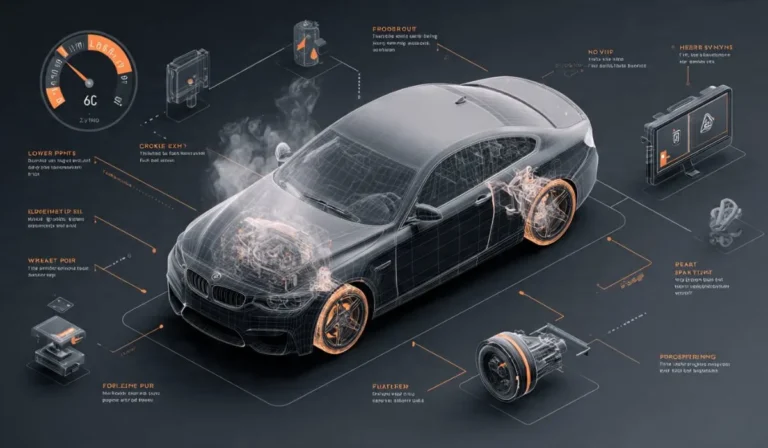
The simplest explanation is hot metal meeting cold rainwater. Your engine, exhaust manifold, catalytic converter, exhaust pipes, brakes, and other components can become extremely hot during normal driving.
When rainwater reaches one of these hot surfaces, it rapidly evaporates. The resulting water vapor can look like white smoke rising from underneath the hood or around the wheel area.
Why Rain Creates So Much Steam
Rainwater can collect on hot components while you are driving or immediately after you park. Because the temperature of the metal may be much higher than the temperature of the water, the water turns into vapor quickly.
This is especially noticeable after driving for a long time, during heavy rain, or when you park immediately after a highway trip.
Normal rain-related steam usually:
- Looks thin and white
- Disappears relatively quickly
- Has little or no unusual smell
- Stops once the wet component dries
- Does not come with warning lights or engine problems
If these characteristics match what you are seeing, there may be no serious problem.
Steam From the Exhaust Is Usually Normal
A small amount of white vapor from the tailpipe can be completely normal, especially during cold or wet weather. Water is naturally produced during fuel combustion, and condensation can accumulate inside the exhaust system.
When Tailpipe Vapor Is Harmless
Normal exhaust vapor is generally light and disappears as the exhaust system warms up. You may notice more vapor on rainy or cool days because the surrounding air makes condensation more visible.
However, thick white smoke that continues after the engine reaches normal operating temperature is different.
Persistent white exhaust smoke may indicate coolant entering the combustion chamber, potentially because of a failed head gasket, damaged cylinder head, or another internal engine problem.
Water Hitting the Hot Exhaust System
Another common reason your car appears to smoke when it rains is water landing on the exhaust system.
The exhaust system operates at very high temperatures. Rainwater splashing onto the exhaust pipes, catalytic converter, or other hot components can produce visible steam underneath the vehicle.
Why It May Look Like Smoke
Steam and smoke can look remarkably similar from a distance. Steam tends to be lighter, dissipate quickly, and have little odor.
Actual smoke generally persists longer and may have a noticeable smell depending on what is burning.
If the cloud disappears within seconds or minutes and your car otherwise operates normally, water contacting hot exhaust components is often the explanation.
Oil Leaking Onto a Hot Engine Component
Rain itself does not necessarily cause an oil leak, but wet weather can make an existing leak much more noticeable.
Engine oil that escapes from a valve cover gasket, oil filter area, oil pan, or another seal can reach a hot engine or exhaust component. When the oil becomes hot enough, it can produce smoke.
Signs of an Oil Leak
Look for additional symptoms such as:
- Blue-gray or grayish smoke from under the hood
- A strong burnt-oil smell
- Fresh oil spots underneath the vehicle
- Low engine oil levels
- Smoke that continues even after the rain stops
An oil leak should be inspected because leaking oil can damage engine components and, in severe cases, create a fire hazard if it reaches extremely hot surfaces.
Coolant Leaking Onto Hot Parts:

Coolant can also create visible vapor when it reaches a hot engine component. A leaking radiator hose, water pump, thermostat housing, radiator, or other cooling-system component may allow coolant to escape.
How Coolant Steam Usually Looks
Coolant hitting a hot surface can create white steam that resembles ordinary rainwater evaporation. The important difference is that the steam may continue after the surrounding surfaces have dried.
You may also notice a sweet smell, a rising temperature gauge, coolant puddles, or a low coolant level.
If the temperature gauge moves into the overheating range, turn the engine off as soon as it is safe to do so.
Smoke From Wet Brakes
Sometimes the apparent smoke is not coming from the engine at all. Water can contact hot brake components after prolonged braking and create steam.
This can happen after descending a steep hill, driving in stop-and-go traffic, or braking repeatedly before entering heavy rain.
When Wet Brakes Are Usually Fine
A brief amount of steam from the wheels after heavy braking is generally not unusual. It should disappear as the brakes cool and dry.
But visible smoke accompanied by a burning smell, grinding, pulling to one side, or unusually weak braking needs immediate attention.
Why Your Car May Smoke After Parking in Heavy Rain:

You might not notice anything while driving but see a cloud after parking. This is often because water has accumulated on hot components and begins evaporating when the vehicle stops.
The lack of airflow after parking can make the vapor appear thicker around the hood or underneath the vehicle.
Is Smoke After Parking Dangerous?
Not necessarily. If it is thin white steam and disappears quickly, it may simply be rainwater evaporating.
Still, inspect the situation if the cloud is thick, continues for an extended period, smells unusual, or is accompanied by fluid leakage or warning lights.
Read Next: How Soon Should I Get An Alignment After New Tires | Protects Your New Tires
How to Tell Steam From Real Smoke?
Knowing the difference between steam and smoke is one of the easiest ways to determine whether you should be concerned.
White Steam
Steam from rainwater typically:
- Looks white and wispy
- Disappears quickly
- Has little odor
- Appears after rain or water splashes onto hot components
Blue or Blue-Gray Smoke
Blue or blue-gray smoke can indicate burning engine oil. This may happen because of an oil leak or an internal engine problem.
Black Smoke
Black smoke usually indicates excessive fuel relative to air during combustion. Possible causes include fuel-system problems, restricted air intake, or sensor issues.
Thick Persistent White Smoke
Thick white smoke from the exhaust that continues after warm-up can indicate coolant entering the engine cylinders. This requires professional diagnosis.
Does Rain Cause Engine Problems?
Rain itself normally does not cause a healthy engine to smoke. Modern vehicles are designed to operate in wet weather.
However, heavy rain can expose existing problems or make them easier to notice. Water can splash onto hot components, reveal leaks, or temporarily affect components that are already damaged or poorly sealed.
Water Intrusion Can Be More Serious
Deep standing water is different from ordinary rainfall. Driving through flooded roads can allow water to enter the air intake or electrical components.
If your vehicle has been through deep water and subsequently runs poorly, stalls, makes unusual noises, or develops warning lights, have it inspected.
What to Do When Your Car Smokes in the Rain
Do not immediately assume that every cloud is an emergency. First, pay attention to where the vapor or smoke is coming from and whether your car is behaving normally.
A Simple Safety Check
If you can safely pull over:
- Turn off the engine if you suspect overheating or a serious mechanical problem.
- Look for warning lights on the dashboard.
- Check the temperature gauge.
- Observe whether the cloud is coming from the exhaust, engine bay, or wheels.
- Look underneath the vehicle for fluid leaks.
- Notice any unusual burning or sweet smells.
- Allow hot components to cool before touching anything.
Never remove a radiator cap while the engine is hot. Pressurized coolant can cause severe burns.
When You Can Probably Keep Driving
If the car is running normally, the temperature remains normal, there are no warning lights, and the apparent smoke is thin white steam that disappears quickly, the situation is often harmless.
You can continue driving cautiously while monitoring the vehicle.
When You Should Stop Driving
Stop driving and arrange an inspection if you notice:
- Persistent smoke
- Engine overheating
- A flashing warning light
- A strong burning smell
- A large fluid leak
- Loss of engine power
- Rough engine operation
- Low coolant
- Very low engine oil
- Smoke that continues after the rain stops
Continuing to drive an overheating vehicle can cause expensive engine damage.
Why Smoke May Appear More Often During Heavy Rain
Heavy rain creates more opportunities for water to reach hot components. Puddles and road spray can splash underneath the car, while water running through the engine bay can land on hot surfaces.
The greater the amount of water contacting heated metal, the more visible the steam can become.
Highway Driving Can Make It More Noticeable
After highway driving, exhaust and engine components can be extremely hot. If you immediately enter heavy rain or stop at a destination, water contacting those components can create a noticeable cloud.
This does not automatically mean the engine is damaged.
Can Rain Make an Oil Leak Look Worse?
Yes. Rainwater can mix with or spread fluids underneath a vehicle, making an existing leak appear different from usual.
However, water itself does not normally create oily smoke. If you smell burning oil or see smoke rising from the engine bay, the vehicle should be checked for an oil leak.
Check the Fluid Under the Car
Do not rely only on color because fluids can look different on wet pavement. Instead, consider the fluid’s texture, smell, location, and the vehicle’s fluid levels.
Oil, coolant, brake fluid, transmission fluid, and plain water can have very different causes and levels of urgency.
How to Prevent Rain-Related Smoking Problems
You cannot prevent rainwater from touching every hot component, but regular vehicle maintenance can reduce the likelihood that ordinary steam is confused with a more serious problem.
Follow a Maintenance Routine
Keep up with:
- Engine oil checks and changes
- Coolant inspections
- Hose inspections
- Brake inspections
- Exhaust-system inspections
- Gasket and seal checks
- Cooling-system maintenance
- Dashboard warning-light checks
A well-maintained car should generally handle normal rain without producing persistent smoke.
Should You Take Your Car to a Mechanic?
If the smoke is clearly just temporary steam from rainwater and everything else is normal, a mechanic may not be necessary.
On the other hand, persistent smoke deserves attention because several mechanical faults can produce symptoms that initially resemble harmless steam.
Get Professional Help When the Cause Is Unclear
If you cannot determine whether you are seeing steam, oil smoke, coolant vapor, or exhaust smoke, it is safer to have the vehicle inspected.
A mechanic can identify leaks, inspect the cooling system, check the exhaust, and determine whether the engine is operating at a safe temperature.
Final Thoughts
So, why does my car smoke when it rains? In many situations, the answer is simple: rainwater is landing on hot engine, exhaust, or brake components and turning into steam. A brief cloud of thin white vapor that disappears quickly is usually much less concerning than persistent smoke.
The key is to watch for additional symptoms. Unusual odors, colored smoke, fluid leaks, overheating, warning lights, or continued smoke after the rain stops can point to a mechanical problem. When those signs appear, stop driving if necessary and have the vehicle checked.
FAQs
Is it normal for my car to smoke when it rains?
It can be normal. Rainwater touching hot exhaust, engine, or brake components can quickly turn into visible steam. If it disappears quickly and the vehicle operates normally, it is usually not a serious concern.
Why does my car smoke from under the hood when it rains?
Water may be reaching hot engine components and evaporating. However, smoke from under the hood can also result from oil or coolant leaking onto hot surfaces, so persistent smoke should be investigated.
Why does white smoke come from my car in the rain?
If it is thin and disappears quickly, it may simply be steam caused by rainwater. Thick white smoke that continues after the engine warms up may indicate a coolant-related engine problem.
Is it normal for my exhaust to smoke when it rains?
A small amount of white vapor from the exhaust can be normal, particularly in cool or wet conditions. Water produced during combustion and condensation inside the exhaust can become more visible in rainy weather.
Why does my car smell burnt when it rains?
A burning smell can occur when water reaches hot components, but a strong persistent smell may indicate burning oil, overheated brakes, electrical problems, or another mechanical issue.
Can rain cause my car to overheat?
Normal rain does not usually cause a healthy vehicle to overheat. If your car overheats during or after rain, investigate the cooling system, coolant level, radiator, hoses, thermostat, or cooling fan.
Should I drive my car if it is smoking after rain?
If it is only light steam that quickly disappears and the car has normal temperature readings with no warning lights, driving may be fine. Persistent smoke, overheating, fluid leaks, or strong burning odors are reasons to stop and seek professional help.
How can I tell if it is steam or smoke?
Steam is usually thin, white, and disappears relatively quickly. Smoke tends to linger longer and may have a noticeable smell. The color and source can also provide clues, but a mechanic should diagnose persistent smoke.
Why does my car smoke after driving through a puddle?
Water can splash onto hot exhaust or engine components and immediately evaporate. This can create a temporary cloud of steam. Driving through deep water, however, can cause serious problems and should be treated differently.
Can rain reveal an existing car problem?
Yes. Rain can make leaks, steam, and fluid-related problems more noticeable. If your car only appears to smoke during rain but the symptom becomes persistent or is accompanied by other problems, it is worth having it inspected.