
Rotten Egg Smell In Car Dangerous | Health Risks, and What to Do When You Notice the Odor

A rotten egg smell in a car can be a warning sign, especially when the odor appears while the engine is running or becomes stronger during driving. The smell is often associated with sulfur-containing compounds, particularly hydrogen sulfide, or with a vehicle’s emissions and catalytic-converter system.
Sometimes, however, the odor comes from something much less serious, such as spoiled food, a forgotten grocery bag, or an organic spill inside the cabin.
The important distinction is whether the smell is coming from the interior of the vehicle or appears to be coming from the engine, exhaust, or fuel system.
If a strong rotten egg odor suddenly appears while driving and you also experience headache, dizziness, nausea, breathing difficulty, confusion, or unusual weakness, move to a safe location, get fresh air, and seek appropriate professional or emergency assistance. Do not continue driving a vehicle that may have an exhaust or chemical problem.
Why Does a Car Smell Like Rotten Eggs?

A rotten egg odor is commonly associated with sulfur compounds.
Several vehicle-related problems can potentially produce this smell.
Common possibilities include:
- Catalytic converter problems
- Excessively rich fuel mixture
- Emissions-system problems
- Fuel-system issues
- Sulfur-containing fuel or combustion byproducts
- Battery problems in certain circumstances
- Spoiled food inside the vehicle
- Organic material trapped in the cabin
- Sewer-like or environmental odors entering the vehicle
Hydrogen Sulfide and the Rotten Egg Odor
Hydrogen sulfide is well known for its characteristic rotten-egg smell.
It can be produced by the breakdown of organic material and is also associated with certain industrial and combustion processes.
Importantly, smelling something like rotten eggs does not automatically mean hydrogen sulfide is present. The odor alone cannot identify the chemical source.
Is Rotten Egg Smell in Car Dangerous?
It can be, depending on the source.
A rotten egg smell caused by spoiled food inside the car is generally a sanitation and odor problem rather than an exhaust emergency.
On the other hand, an odor that appears when the engine is operating could indicate an emissions, exhaust, fuel, or mechanical problem that should not be ignored.
The safest approach is to determine where the smell is coming from before continuing to drive normally.
When the Smell Is Probably an Interior Problem
Check the cabin first if the odor is noticeable even when:
- The engine is off
- The car is parked
- The ventilation system is off
- The trunk is open
- Food or groceries have recently been transported
Look for:
- Spoiled food
- Meat or seafood
- Old drinks
- Pet-related contamination
- Wet carpeting
- Garbage
- Organic debris
If you find the source, remove it and clean the affected area thoroughly.
When a Rotten Egg Smell May Indicate a Car Problem?
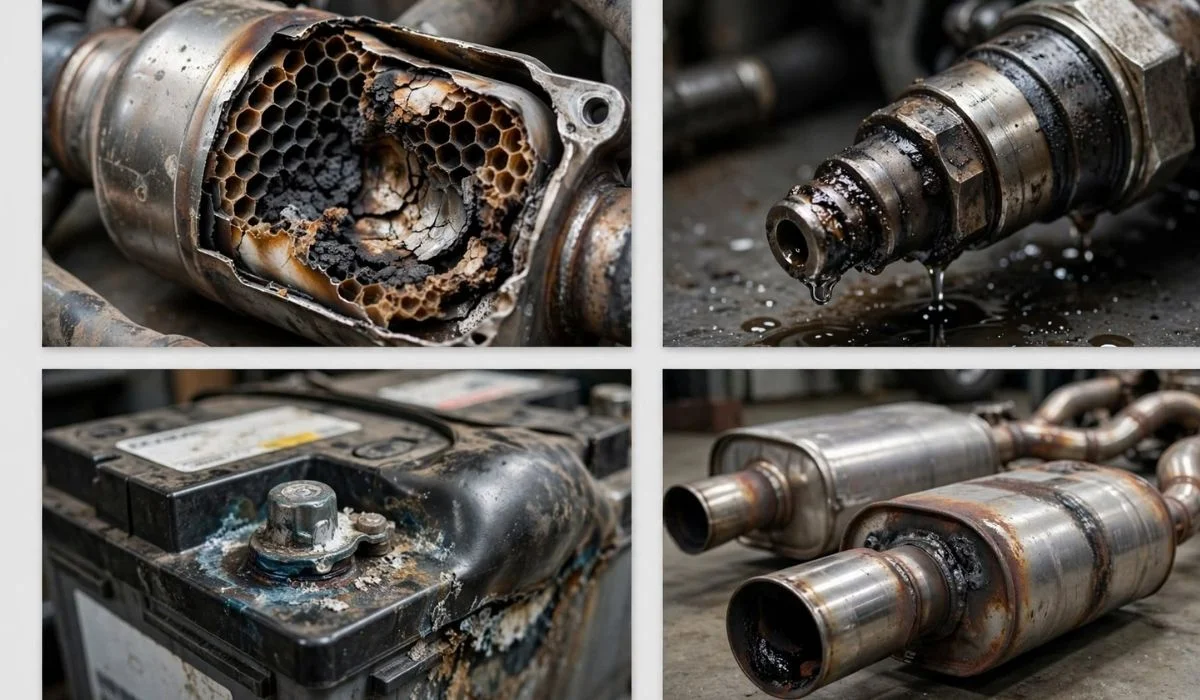
A more concerning pattern is when the odor:
- Appears after starting the engine
- Gets stronger when accelerating
- Comes from near the exhaust
- Enters the cabin while driving
- Appears repeatedly without an obvious interior source
- Occurs together with unusual engine behavior
- Is accompanied by warning lights
These signs warrant attention from a qualified automotive technician.
Read Next: How To Get Rid Of Rotten Smell In Car Overnight | Effective Ways to Remove Bad Odors Fast
Could the Catalytic Converter Cause a Rotten Egg Smell?
Yes.
The catalytic converter is part of the vehicle’s emissions-control system. Under abnormal operating conditions, sulfur-containing compounds can contribute to a rotten-egg-like odor around the exhaust.
A catalytic converter does not necessarily mean the converter itself has failed.
The underlying issue could involve:
- Engine misfire
- Incorrect air-fuel mixture
- Excess fuel entering the exhaust
- Emissions-system malfunction
- Contamination or overheating
- Problems with engine-management components
Why a Rich Fuel Mixture Matters
If an engine receives too much fuel relative to the available air, incomplete or abnormal combustion can occur.
Excess fuel can then enter the exhaust system and place additional stress on emissions-control components.
If a rotten egg smell occurs together with poor acceleration, rough running, reduced fuel economy, or a check-engine light, have the vehicle diagnosed rather than simply trying to remove the smell.
Can an Exhaust Leak Cause a Rotten Egg Smell?
An exhaust leak can allow exhaust gases to enter areas where they should not be.
The smell itself does not prove that an exhaust leak exists, but any exhaust odor inside the passenger compartment deserves attention.
Vehicle exhaust can contain carbon monoxide, which is particularly dangerous because it is colorless and odorless.
Rotten Egg Smell Does Not Mean Carbon Monoxide
This distinction is extremely important.
Carbon monoxide does not have a rotten-egg smell.
You cannot use your sense of smell to detect carbon monoxide.
A vehicle can potentially have dangerous carbon-monoxide exposure without producing any noticeable odor.
What Should You Do If You Smell Rotten Eggs While Driving?
If the odor suddenly becomes strong while driving, take it seriously.
Pull Over Safely
When practical, move to a safe location away from traffic.
Turn off the engine if you suspect a mechanical or exhaust problem.
Get out of the vehicle and move to fresh air.
Do not park somewhere that exposes you or other people to vehicle exhaust.
Check for Warning Signs
Pay attention to symptoms such as:
- Headache
- Dizziness
- Nausea
- Confusion
- Unusual tiredness
- Weakness
- Difficulty breathing
These symptoms can have many causes, but they should not be ignored when they occur alongside a strong vehicle odor.
If symptoms are severe, sudden, or worsening, seek emergency medical assistance.
Can Rotten Egg Smell From a Car Make You Sick?
The answer depends on what is producing the smell.
A spoiled-food odor can be unpleasant and may indicate bacterial contamination of a surface, but the odor itself is not necessarily evidence of toxic exposure.
A chemical or exhaust-related odor may be more concerning.
Do Not Try to Diagnose the Gas by Smell
Odor is not a reliable safety test.
Some hazardous gases have little or no odor, while other substances can smell unpleasant without being dangerously concentrated.
If you suspect an exhaust or chemical problem, professional inspection is safer than trying to identify the substance yourself.
Rotten Egg Smell From Car Battery
A damaged or overcharging lead-acid battery can sometimes produce a sulfur-like or rotten-egg odor because of gases associated with battery chemistry.
This situation deserves caution.
Signs that may accompany a battery problem include:
- Swollen battery case
- Unusual heat
- Corrosion
- Hissing or bubbling
- Electrical problems
- Strong sulfur odor around the battery
What to Do About a Strong Battery Odor
Do not lean over or handle a visibly damaged battery unnecessarily.
Park the vehicle in a safe, well-ventilated location if possible and arrange for professional inspection.
Avoid creating sparks around a potentially damaged battery.
Could Bad Fuel Cause a Rotten Egg Smell?
Fuel quality and combustion conditions can influence sulfur-related odors from a vehicle’s exhaust.
Modern fuels are generally regulated for sulfur content, but unusual odor can still occur under certain operating conditions.
If the smell starts shortly after refueling and continues while the engine is running, tell the technician when the problem began and where you purchased the fuel.
Rotten Egg Smell When Accelerating
A rotten-egg smell that becomes stronger during acceleration can be particularly worth investigating.
Acceleration increases engine load and changes combustion and exhaust conditions.
Possible causes can include:
- Emissions-system problems
- Fuel-mixture problems
- Catalytic-converter issues
- Engine-management faults
It does not identify one specific failed component.
Don’t Replace the Catalytic Converter Immediately
A rotten egg smell does not automatically mean you need a new catalytic converter.
A technician should diagnose the underlying cause first.
Replacing the converter without addressing an engine or fuel-system problem can result in repeated failure or continued odor.
Rotten Egg Smell With Check Engine Light
If the check-engine light appears at the same time as the odor, arrange for diagnostic testing.
The vehicle’s onboard diagnostic system may have stored fault codes related to:
- Engine misfires
- Fuel mixture
- Oxygen sensors
- Emissions systems
- Catalytic-converter efficiency
A diagnostic scan can provide useful information, although the code alone does not always identify the exact mechanical cause.
Rotten Egg Smell in Car With No Check Engine Light
A missing warning light does not necessarily mean everything is fine.
Some problems may not immediately trigger a dashboard warning.
If the smell repeatedly appears while the engine is operating, particularly if it enters the cabin, having the vehicle inspected is still sensible.
How to Tell Whether the Smell Comes From Inside or Outside
You can make a basic observation without taking mechanical risks.
Park the vehicle safely and turn the engine off.
Then consider:
- Does the smell remain inside the cabin?
- Is it strongest near the trunk?
- Is it strongest around the exhaust?
- Does it appear only when the engine is running?
- Did the smell begin after transporting food?
- Does it become stronger with the ventilation system?
Check the Trunk and Floor Areas
Inspect:
- Under floor mats
- Under seats
- Trunk carpeting
- Spare-tire compartment
- Door pockets
- Storage compartments
A forgotten organic item can create an odor remarkably similar to a chemical or exhaust smell.
Can an Air Conditioner Cause a Rotten Egg Smell?
The ventilation system can distribute an odor throughout the cabin even when the original source is elsewhere.
Possible sources include:
- Dirty cabin air filter
- Moisture accumulation
- Organic debris
- Contaminated HVAC components
If the smell becomes noticeably stronger when the fan or air conditioning is turned on, have the ventilation system inspected if basic interior cleaning does not solve the problem.
Should You Keep Driving With a Rotten Egg Smell?
It depends on the source.
If you identify a spoiled-food source inside the vehicle and there are no mechanical warning signs, cleaning the interior is generally the appropriate response.
If the odor:
- Comes from the engine or exhaust
- Enters the cabin
- Appears only while the engine runs
- Is accompanied by warning lights
- Occurs with unusual engine performance
- Is accompanied by physical symptoms
then continuing to drive should be avoided until the cause has been evaluated, especially if the smell is strong or rapidly worsening.
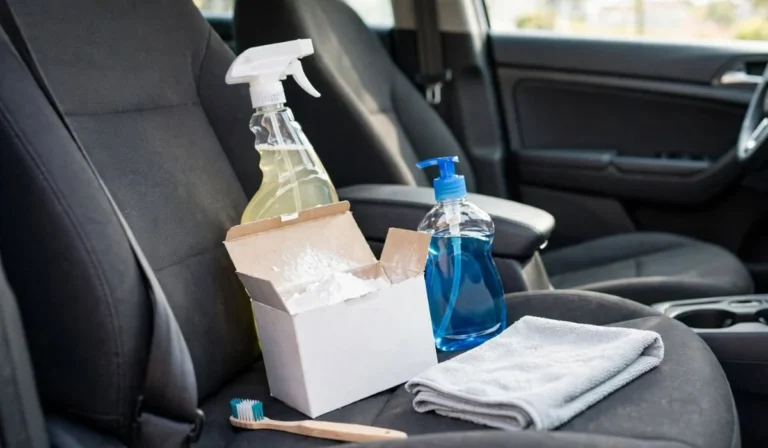
How to Remove a Rotten Food Smell From Your Car
If you determine that the smell is coming from spoiled food, the solution is primarily a cleaning task.
Remove the Source
Throw away spoiled food and contaminated garbage.
Use appropriate protective measures when handling decomposed material.
Clean the Contaminated Surface
Clean carpets, mats, plastic, or upholstery with products appropriate for the specific material.
Do not saturate electrical components or sensitive vehicle equipment.
Dry Everything
Damp materials can continue producing unpleasant odors.
Allow cleaned surfaces to dry completely.
Use an Odor Absorber
After cleaning, baking soda or activated charcoal can help with residual odors.
For baking soda, keeping it in a stable container overnight is a practical approach.
What Not to Do About a Rotten Egg Smell
Avoid these common mistakes.
Don’t Mask It With Air Freshener
A strong fragrance may temporarily hide the smell without solving the cause.
If the odor is mechanical, masking it could delay diagnosis.
Don’t Ignore Exhaust Odors
An exhaust-related odor inside the cabin deserves attention.
Don’t Assume It Is Always the Catalytic Converter
Several vehicle problems can contribute to sulfur-like odors.
Proper diagnosis is more useful than replacing parts based only on smell.
Don’t Use Your Nose as a Gas Detector
Some dangerous gases cannot be detected by smell.
Safety decisions should not rely on odor alone.
When to See a Mechanic
Have your vehicle professionally inspected if the rotten egg smell:
- Repeatedly returns
- Appears only when the engine runs
- Comes from the exhaust area
- Gets stronger under acceleration
- Enters the cabin
- Occurs with a check-engine light
- Appears with rough engine operation
- Starts after a mechanical repair
- Has no obvious interior source
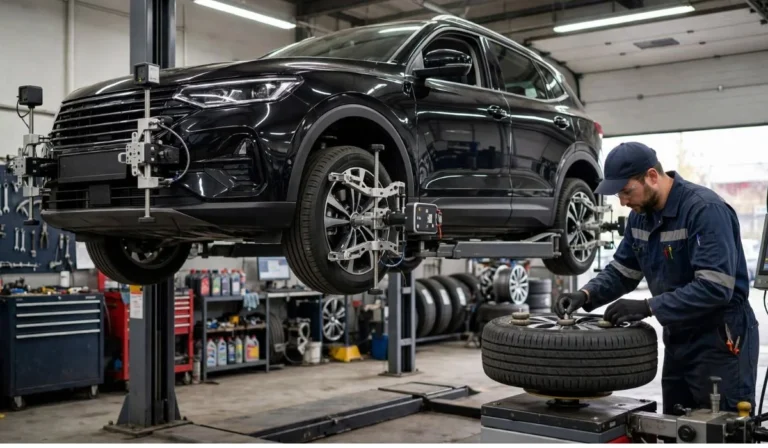
A technician can inspect the emissions system, exhaust system, engine operation, fuel system, and battery as appropriate.
A Simple Troubleshooting Checklist
Use this quick checklist to narrow down the likely source:
Smell present with engine OFF?
→ Check food, garbage, carpets, seats, trunk, and moisture.
Smell appears only with engine ON?
→ Consider exhaust, emissions, fuel, or battery-related causes.
Smell becomes stronger during acceleration?
→ Have the engine and emissions system inspected.
Smell enters the cabin?
→ Stop ignoring it and have the vehicle checked.
Check-engine light is ON?
→ Arrange diagnostic testing.
Battery area smells strongly of sulfur?
→ Have the battery and charging system inspected.
You feel dizzy, nauseated, confused, or unusually weak?
→ Get into fresh air and seek appropriate medical assistance.
Final Thoughts
So, is a rotten egg smell in a car dangerous? Sometimes it can be, and the source determines how seriously you should treat it.
If the smell comes from spoiled food inside the vehicle, the problem is usually solved through careful removal, cleaning, drying, and deodorizing. But when the odor appears while the engine is running—especially near the exhaust or inside the cabin—it can indicate an emissions, exhaust, fuel, or battery-related problem that deserves professional attention.
Remember that a rotten-egg smell does not identify one specific fault, and it should never be used to determine whether carbon monoxide is present. Carbon monoxide is odorless, so an absence of smell does not mean an exhaust system is safe.
When in doubt, prioritize fresh air, avoid unnecessary driving, and have the vehicle inspected.
FAQs
Is a rotten egg smell in a car an emergency?
It can be, depending on the source and accompanying symptoms. If a strong odor occurs while driving, particularly inside the cabin, move to fresh air and have the vehicle inspected.
What does a rotten egg smell mean in a car?
It can come from sulfur-containing compounds associated with exhaust or emissions problems, but it can also come from spoiled food, organic contamination, or certain battery problems.
Can a bad catalytic converter smell like rotten eggs?
Yes. Abnormal conditions involving the engine, fuel mixture, and emissions system can produce sulfur-like exhaust odors. The smell alone does not prove that the catalytic converter has failed.
Is rotten egg smell from a car battery dangerous?
It can indicate a problem with a lead-acid battery or charging system. If there is a strong sulfur odor, swelling, unusual heat, bubbling, or other visible battery abnormalities, seek professional inspection.
Can an exhaust leak cause a rotten egg smell inside a car?
An exhaust leak can allow exhaust gases to enter the passenger compartment. A rotten-egg odor does not specifically prove an exhaust leak, but any exhaust smell inside the cabin should be investigated.
Does rotten egg smell mean carbon monoxide?
No. Carbon monoxide is colorless and odorless. A rotten-egg smell is associated with other substances and cannot be used to detect carbon monoxide.
Why does my car smell like rotten eggs when I accelerate?
Acceleration changes engine load, combustion, and exhaust conditions. A sulfur-like odor during acceleration can be associated with emissions or fuel-related problems and should be professionally diagnosed if it persists.
Why does my car smell like rotten eggs but there is no check-engine light?
Some problems do not immediately trigger a dashboard warning. If the odor repeatedly appears while the engine is operating, have the vehicle inspected even if no warning light is illuminated.
Can rotten food make a car smell like sulfur?
Yes. Decomposing food, especially strongly smelling organic material, can create an odor that may resemble sulfur or rotten eggs. Check under seats, inside the trunk, floor areas, and storage compartments.
How do I get rid of a rotten egg smell from spoiled food?
Remove the spoiled material, clean the contaminated surface with an appropriate cleaner, dry the area completely, vacuum the interior, and use an odor absorber such as baking soda or activated charcoal for residual odor.
Should I drive my car if it smells like rotten eggs?
If the odor is clearly from spoiled food and there are no other concerns, clean the interior. If the smell appears while the engine is running, comes from the exhaust, enters the cabin, or occurs with symptoms or warning lights, avoid unnecessary driving and have the vehicle checked.